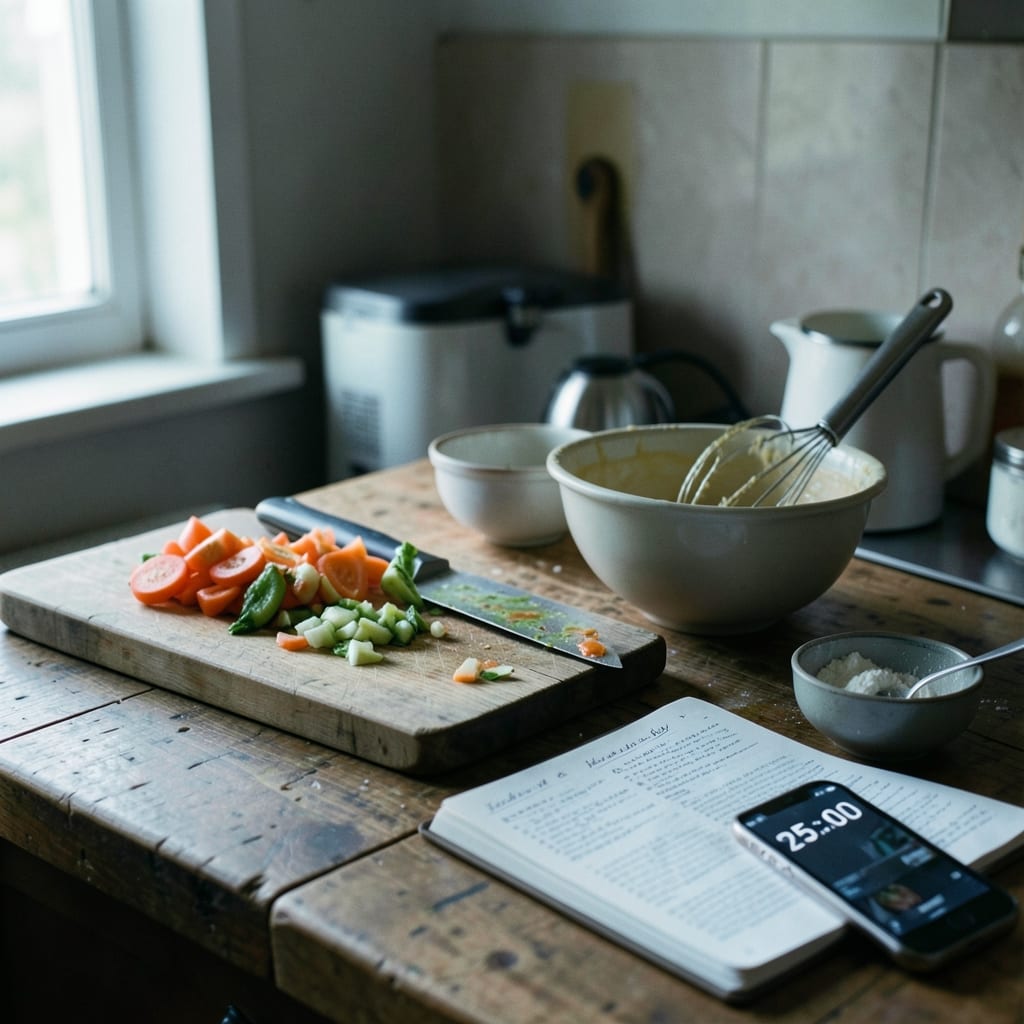
What is on this site
This site collects recipes for dry beans—how to prepare them, what to pair with them, and the dishes they transform. Every entry focuses on texture, timing, and the small details that turn a pot of beans into something memorable.
The site is organised by technique (soaking, simmering, mashing) and by dish type (soups, salads, stews). Each recipe includes clear steps, troubleshooting notes, and a breakdown of why the method works.
| Where | What is there | Go here if |
|---|---|---|
| The homepage | Featured recipes and latest additions | you want to browse by popularity |
| The technique guide | Step-by-step breakdowns of soaking, simmering, and mashing | you’re unsure how to handle dry beans |
| The recipe index | Dishes sorted by type (soups, salads, stews) | you’re looking for a specific bean-based meal |
| The troubleshooting page | Common issues and fixes | your beans turned out wrong |
How to read a page here
Every recipe page starts with the dish name, a brief description, and the total time needed. The ingredients list is grouped by type (beans, liquids, seasonings) with exact measurements in grams or milliliters—no cups or tablespoons.
The steps are numbered and include timings where critical (e.g., ‘soak for 8 hours’ or ‘simmer for 45 minutes’). Notes in smaller text explain adjustments for altitude, pot size, or bean variety.
Ignore the ‘also try’ section on a first read—it’s for exploring variations once you’ve mastered the base recipe. The ‘why this works’ box at the end is optional but explains the science behind the method.
When it does not work
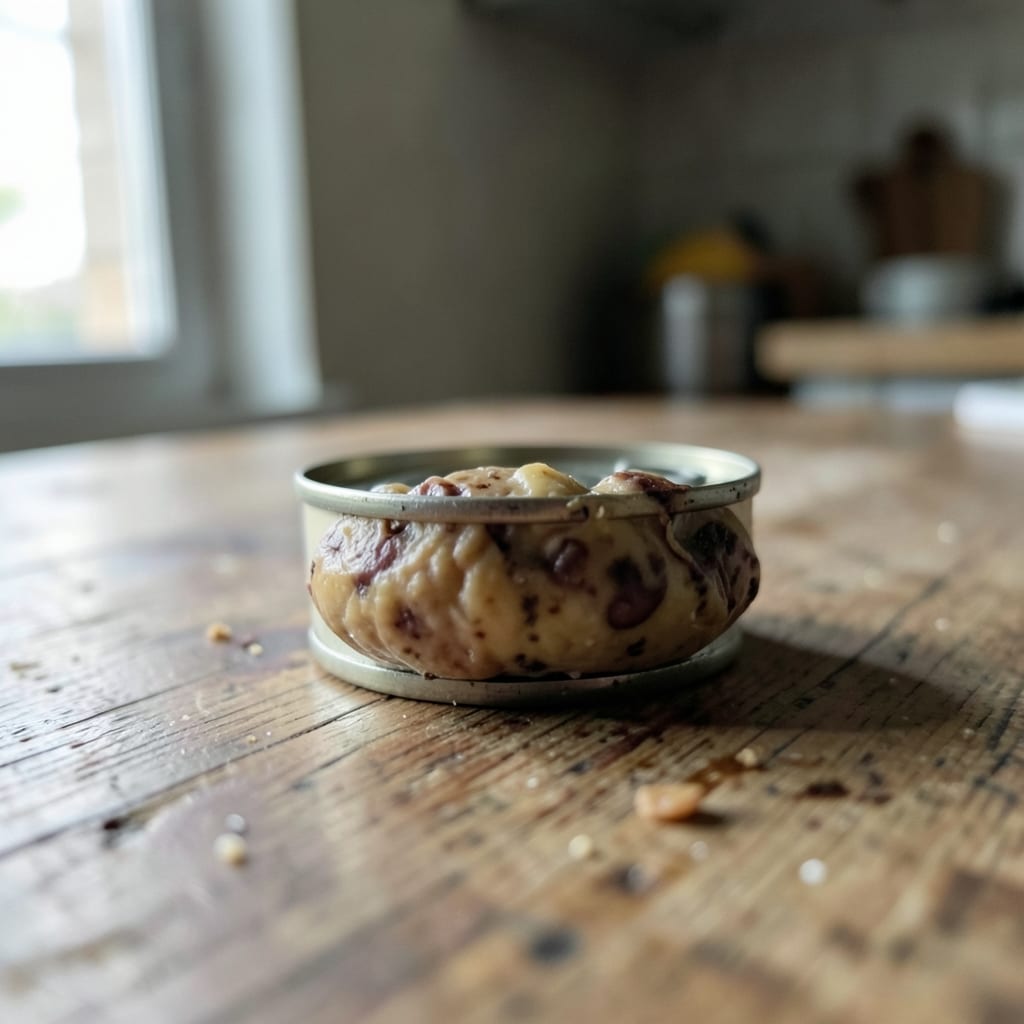
If a recipe fails, check the most common issues first: under-soaked beans, incorrect water-to-bean ratio, or boiling instead of simmering. The troubleshooting page lists fixes for each.
Before you give up
- Did you soak the beans long enough? (Minimum 6 hours, overnight is best.)
- Are you using enough water? (At least 3 parts water to 1 part beans.)
- Is the pot large enough? (Beans expand—use a deep, wide vessel.)
- Did you skim foam or stir occasionally? (Prevents scorching and evens cooking.)
Who we are

This site is built by someone who learned to cook in the backseat of a car, where the best meals were the ones that didn’t need a recipe.
| The colophon | |
|---|---|
| Written by | Rudy Hutchins, who tests every recipe at least twice and edits for clarity. |
| Tested in | A small kitchen with a single gas burner, a heavy-bottomed pot, and a scale that’s seen better decades. |
| Written with | A notebook for adjustments, a timer that never lies, and a spoon for tasting. |
| Learned from | A grandmother who measured by feel and a high school chemistry teacher who explained why beans soften. |
| Still getting wrong | The exact ratio of salt to water for perfect texture—it changes with every batch of beans. |
The best recipes aren’t the ones that sound perfect on paper. They’re the ones that survive the first try, the second try, and the one where you forgot to soak the beans overnight.
If you need something that is not here
If you’re looking for a recipe we haven’t tested or a technique we haven’t covered, let us know. The contact page is the place to ask—whether it’s a dish you’ve perfected or a question about beans we missed.
The recipes are grouped by category: Appetizers, Beverages, Breakfast & Brunch, Desserts, Main Courses and Salads.