Sauces & Condiments
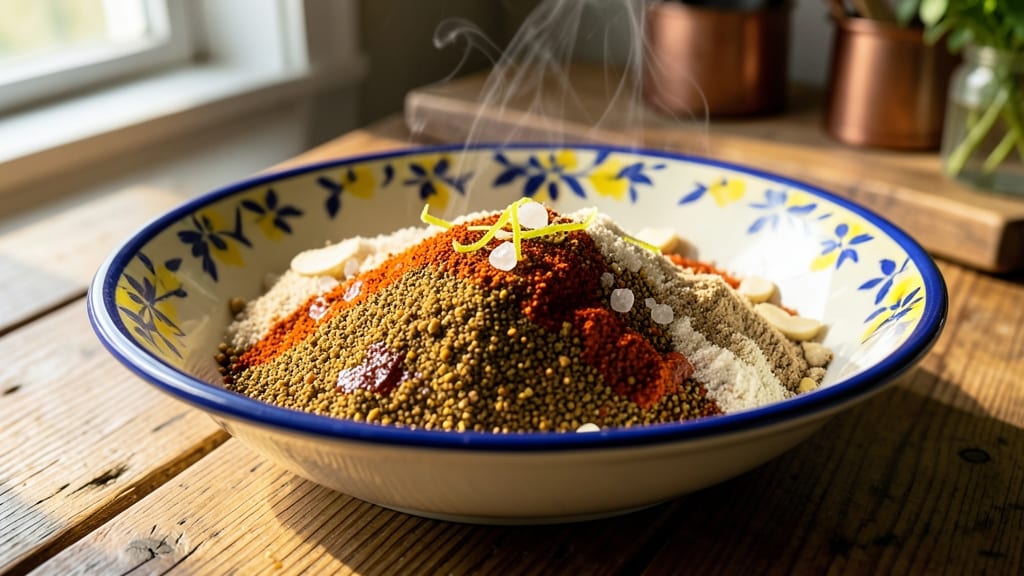
Creating a fiesta pinto bean seasoning recipe transforms simple beans into a vibrant, restaurant-quality dish with just a few simple ingredients.
Standing on a step stool in my grandmother’s kitchen in Sicily, I learned how spices could elevate the most basic ingredients—this blend is my modern twist on that tradition, designed to bring bold lime-cumin brightness to every batch of beans.
The secret lies in balancing earthy cumin with bright citrus and subtle heat, creating a blend that’s versatile enough for soups, salads, or even as a meat rub.
This foolproof mix requires just five ingredients—ground cumin, smoked paprika, garlic powder, onion powder, and a touch of lime zest—and takes minutes to prepare. The result? A bold, aromatic seasoning that clings to beans like a second skin, infusing every bite with layers of flavor.
With this seasoning, your beans will develop a deep, complex taste that’s impossible to achieve with store-bought blends. The lime zest adds a refreshing zing, while the cumin and smoked paprika bring warmth and depth.
Use 1 tablespoon per pound of dried beans (or ½ tablespoon per cup of cooked beans) to guarantee a perfectly seasoned dish every time.
Store the blend in an airtight container for up to 3 months, making it the perfect pantry staple for quick meals. Whether you’re whipping up a batch of refried beans or adding zing to a simple salad, this seasoning will elevate your cooking—just like Nonna’s recipes always did.
Let’s get started!
Ingredients for fiesta pinto bean seasoning
Five spices plus a burst of lime zest. That’s all it takes for restaurant-quality beans.
| Ingredient | Amount | Notes |
|---|---|---|
| Ground Cumin 🌿 | 2 tbsp | Toasted for deeper flavor |
| Smoked Paprika 🌶️ | 1 ½ tbsp | High-quality smoked variety |
| Garlic Powder 🧄 | 1 ½ tsp | Freshly ground preferred |
| Onion Powder 🧅 | 1 ½ tsp | Diamond Crystal preferred |
| Lime Zest 🍋 | 1 tsp | Freshly grated, vibrant zest |
| Salt 🧂 | 1 tsp | Diamond Crystal kosher |
| Ground Cayenne Pepper 🔥 | ½ tsp | Adjust for heat preference |
| Ground Coriander 🌿 | 1 tsp | Sweet, citrusy notes |
The cumin is the backbone here—Penzeys or bulk bins have the best quality, but even regular grocery store cumin works if it’s fresh. Look for smoked paprika with real smoke flavor (none of that dusty stuff), and Diamond Crystal kosher salt for perfect balance. The lime zest needs to be fresh—organic limes from the produce section give the brightest flavor, but a little extra zest from a good-quality bottle works in a pinch. Toast your cumin and coriander seeds for 30 seconds in a dry pan before grinding if you’ve got whole spices—trust me, it makes a difference.
No smoked paprika? Sweet paprika plus a pinch of liquid smoke gets you close. Short on lime zest? Dried lime peel powder (yes, it exists) or even a splash of lime juice (though it won’t have that same bright aroma). The coriander can be swapped for celery seed at half the amount—it’s got a similar earthy note. Want more heat? Double the cayenne, but start small—this stuff packs a punch. The garlic and onion powders are non-negotiable though—they’re what makes this blend actually taste like beans you’d get at a fiesta, not just a generic spice mix.
This blend keeps like a dream—3-6 months in an airtight container in a cool, dark place. I like to store mine in a small glass jar with a tight seal, shaking it gently before each use. Double the batch and give some away—everyone will want to know your secret. The zest loses potency first, so if your blend starts tasting flat, add a pinch of fresh zest to revive it. Perfect for beans, but also amazing on roasted veggies or even as a meat rub for grilled chicken. Nonna would approve.
Why You'll Love This Recipe
- Pantry in Minutes: I swear by this mix—just toss those five spices into a jar, and boom. No measuring cups, no mess, no waiting for anything to cook down. The lime zest gives it that bright kick that makes it feel fresh, even though it’s shelf-stable.
- Smoky Lime Magic: That smoked paprika and cumin combo? It’s like a fiesta in your mouth—warm, earthy, with a whisper of smokiness. The lime zest cuts through it so cleanly, it’s the kind of flavor that lingers just right, not overpowering but memorable.
- Works Everywhere: Slap this on beans, rice, roasted veggies, or even scrambled eggs—it’s my go-to for when I’m prepping meals for the week. Honestly, I’ve used it in soups, on tacos, and even as a rub for chicken thighs. If it’s got a little bite, it’s a match.
- Lasts Forever, Costs Nothing: A little goes a long way, and since it’s just spices, it won’t spoil. I keep a jar in my pantry for months, and the cost? Ridiculously cheap. Between us, I’ve bought the spices in bulk and split them with my neighbor—we’re both winning.
Step-by-step instructions for fiesta pinto bean seasoning
Transform your beans with this vibrant blend—just mix, store, and sprinkle for restaurant-quality flavor.
Toast the Ground Cumin for Depth
Heat a dry skillet over medium heat and add the 2 tablespoons ground cumin. Toast for 1-2 minutes, stirring constantly, until you can smell that warm, earthy aroma—it should look slightly darker and more aromatic than before. This step unlocks the cumin's full potential, giving your seasoning a deeper, toastier flavor that stands out in beans.
Watch carefully—cumin burns quickly. As soon as it releases its fragrance and takes on a slightly darker hue, remove it from heat immediately. Let it cool for 5 minutes before proceeding; this prevents moisture from developing when you combine it with other ingredients later.
Whisk All Ingredients Together
In a medium bowl, combine the toasted 2 tablespoons ground cumin with the 1.5 tablespoons smoked paprika, 1.5 teaspoons garlic powder, and 1.5 teaspoons onion powder. Use a whisk to break up any clumps and ensure even distribution—this prevents uneven flavor in your beans later. The smoked paprika will add a subtle charred sweetness that pairs beautifully with the cumin's earthiness.
Next, add the 1 teaspoon lime zest, 1 teaspoon salt, 0.5 teaspoon ground cayenne pepper, and 1 teaspoon ground coriander. The lime zest brings a bright citrus note that cuts through the richness of the beans, while the coriander adds a sweet, citrusy complexity. Whisk everything together until the mixture is completely homogeneous and free of streaks.
Store Properly for Maximum Flavor
Transfer the seasoning to an airtight container—glass jars work best for preserving freshness. Press the mixture down gently to remove any air pockets, which can cause oxidation. Label the container with the date and store it in a cool, dark place like your pantry. When stored correctly, this blend will keep its vibrant flavor for up to 3 months, though I find it's best used within 2 months for peak freshness.
For even longer storage, you can freeze the seasoning in small portions. Divide it into 1-tablespoon servings in ice cube trays, cover with parchment paper, and freeze. Once solid, transfer the cubes to a freezer bag. This way, you can grab exactly what you need without thawing the entire batch—perfect for small batches of beans or quick meals.
Use for Perfectly Seasoned Beans
When cooking pinto beans, add 1 tablespoon of this seasoning to the pot during the last 10 minutes of cooking. This timing ensures the spices infuse the beans without burning. Stir well and let the beans simmer gently until they reach your desired tenderness—20-30 minutes for firm beans or 45-60 minutes for softer texture.
For an extra layer of flavor, finish your beans with a squeeze of fresh lime juice and a sprinkle of chopped cilantro. The bright acidity of the lime enhances the zest in the seasoning, while the cilantro adds a fresh contrast. Serve immediately while the beans are still warm and the flavors are at their peak.
Pro Tips For Making Fiesta Pinto Bean Seasoning
- TOAST THE SPICES: Heat your cumin and smoked paprika in a dry skillet for 30 seconds—just until you smell that deep, toasty aroma. I learned this the hard way: skipping it means your seasoning will taste flat, like someone forgot the last step. (Yes, even if you're impatient like me.)
- ZEST FRESH, NOT DRY: Use lime zest from a freshly zested lime, not dried or bottled—it makes a real difference in brightness. After burning three batches with dull, powdery zest, I finally figured out that the oils in fresh zest carry the citrus punch. (Store it in the freezer if you won’t use it right away.)
- BLEND UNTIL UNIFORM: Pulse your spices in a food processor or whisk by hand until no streaks of lime zest or cumin remain. I used to eyeball it, and the flavor was inconsistent—some bites tasted like cumin, others like onion powder. (A fine mesh sieve helps if you’re blending by hand.)
- STORE IN AIRLESS CONTAINER: Pack your seasoning tightly into a jar and press down to remove air before sealing. I skipped this once and came back to find the lime zest had oxidized, turning bitter. (A coffee grinder works great for breaking up clumps when you’re ready to use it again.)
Regional styles of these flavors
Mexican Fiesta Style
This blend takes direct inspiration from the bold flavors of Mexican street food, where pinto beans are a staple. In Mexico, beans are often seasoned with a mix of cumin, chili, and lime—a combination that’s been perfected over generations.
The smoked paprika mimics the charred flavor of traditional comal-cooked beans, while the lime zest adds that signature tang you’d find in a taco stand’s salsa verde. I’ve seen vendors in Oaxaca use similar spice mixes, and this is my take on bringing that authenticity to your home kitchen. 🌶️
For a true fiesta experience, serve these beans with warm corn tortillas, a dollop of crema mexicana, and a sprinkle of crumbled queso fresco. The combination of the earthy beans and the bright, citrusy seasoning makes it feel like you’re dining at a bustling Mexican market.
I like to add a pinch of ground chipotle powder to the seasoning if I want extra smokiness—it’s a nod to the slow-cooked, smoky flavors of beans from Puebla.
Southwestern American Twist
The Southwestern US has its own take on pinto beans, often incorporating roasted chiles and cumin in ways that feel both rustic and refined. This seasoning works perfectly for dishes like green chile stew or posole, where the cumin and lime zest complement the natural sweetness of the beans.
In New Mexico, for example, you’ll find beans cooked with a mix of cumin, garlic, and sometimes even a touch of pasilla chile powder—this blend is my simplified version of that tradition. 🌵
Try using this seasoning on black beans for a change of pace—it works surprisingly well. In Texas, I’ve seen pinto beans served with a side of pickled jalapeños and a drizzle of hot honey, which adds another layer of complexity.
The key is balancing the heat and acidity, and this blend makes it easy to achieve that perfect harmony without overpowering the beans.
Caribbean Citrus Fusion
If you’re craving a tropical twist, this seasoning can be adapted for Caribbean-inspired dishes. The lime zest and cumin pair beautifully with the bold flavors of jerk seasoning or coconut milk-based stews.
In Puerto Rico, for example, beans are often cooked with sofrito—a blend of garlic, onions, and peppers—that shares some similarities with this seasoning. The coriander in this mix adds a citrusy note that bridges the gap between Mexican and Caribbean flavors. 🍍
For a fusion dish, try cooking your beans with 1 cup of coconut milk> and a dash of allspice after seasoning. The result is a creamy, spiced bean dish that’s perfect for serving with grilled fish or jerk chicken.
I’ve even used this blend in a bean and rice bowl>, adding a sprinkle of toasted coconut flakes for extra texture. The lime zest in the seasoning keeps the flavors bright and refreshing, which is key in Caribbean cooking.
Italian-Inspired Adaptation
Here’s where my Sicilian roots come in—this seasoning can be tweaked to work with Italian flavors, too. Swap the smoked paprika> for dried oregano> and add a pinch of red pepper flakes> for a Mediterranean touch.
The cumin and coriander still shine, but now they’re balanced with the earthy notes of Italian herbs. This version works beautifully in minestrone soup> or as a seasoning for white beans> in a rustic bread salad. 🌿
For an Italian-inspired dish, try cooking the beans with a splash of white wine> and a bay leaf. The acidity of the wine cuts through the richness of the beans, while the bay leaf adds depth.
Serve the beans with crusty bread> and a drizzle of extra virgin olive oil>. This adaptation is a great way to bridge the gap between Mexican and Italian cuisines—something I’ve always loved doing in my own kitchen.
The lime zest might seem unusual, but it adds a bright contrast that elevates the dish.
Nutrition facts
Frequently asked questions
Can I use this seasoning on other types of beans besides pinto?
This blend works beautifully on black beans, kidney beans, and even cannellini beans. The lime-cumin combination brightens all varieties, though pinto beans are where it truly shines. For white beans, reduce the cayenne to ¼ teaspoon to avoid overpowering their delicate flavor.
How do I adjust the heat level in this seasoning?
Start with the full ½ teaspoon cayenne for medium heat, then adjust in ¼ teaspoon increments. For mild flavor, reduce to ¼ teaspoon or omit entirely. If you love spice, add an extra ½ teaspoon cayenne or swap in 1 teaspoon chipotle powder for smoky heat.
Why does the recipe call for lime zest instead of juice?
The zest provides bright, aromatic flavor without adding moisture that could clump the seasoning. Fresh zest contains essential oils that infuse beans with vibrant citrus notes, while juice would make the blend damp and less shelf-stable. For extra zing, add ½ teaspoon lime juice when using the seasoning.
Can I make this seasoning without a whisk?
Yes! Use a fork or small spoon to thoroughly mix all ingredients in a bowl. For best results, press the spices through a fine-mesh sieve afterward to eliminate any clumps. The key is ensuring even distribution so every spoonful delivers consistent flavor.
How long should I cook the beans after adding the seasoning?
Add the seasoning during the last 10-15 minutes of cooking to prevent burning. For dried beans, this means 10 minutes before they reach your desired tenderness. Canned beans only need 5 minutes of simmering with the seasoning to fully absorb the flavors.