Main Courses
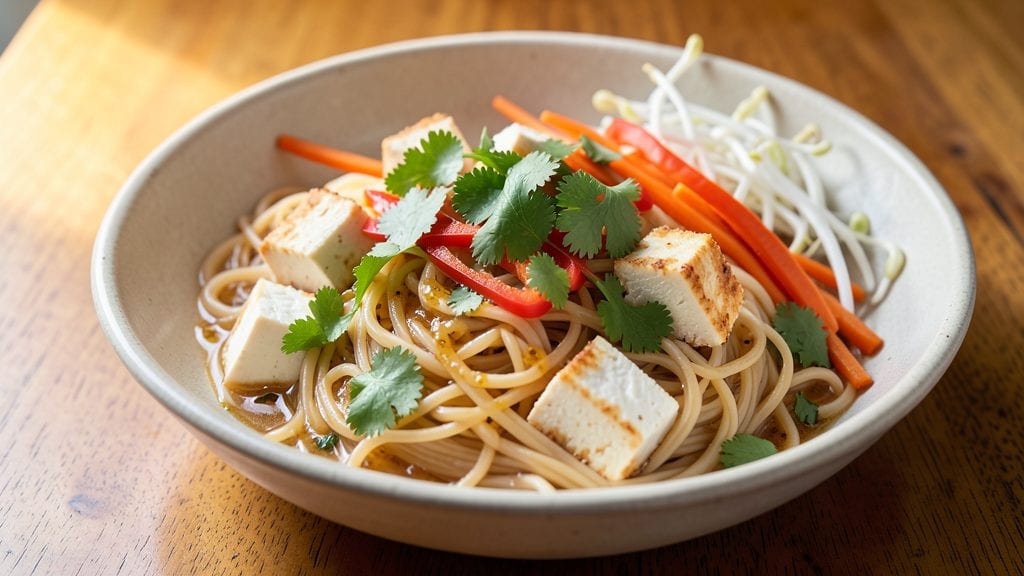
This bean vermicelli recipe delivers a vibrant, Vietnamese-inspired noodle bowl that comes together in just 25 minutes—perfect for a quick yet satisfying meal. The key lies in the delicate rice noodles, which soak up flavors beautifully while maintaining their signature chewiness.
I developed this version to highlight plant-based proteins and fresh herbs, staying true to the dish's cultural roots while making it accessible for home cooks.
The dish balances crisp vegetables, tender tofu or mushrooms, and a bright dressing that ties everything together. Traditional toppings like fresh herbs, bean sprouts, and crushed peanuts add texture and depth, while a tangy lime-peanut or fish-free alternative sauce ensures every bite is flavorful.
This recipe proves that plant-based meals can be just as rich and satisfying as their traditional counterparts.
What you'll end up with is a harmonious bowl of chewy noodles, vibrant toppings, and a dressing that coats each strand perfectly. The beauty of this dish is its adaptability—whether you want it spicy, sour, or mild, it's easy to customize.
Serve it as a refreshing salad or a hearty stir-fry, depending on your preference.
Ready in 25 minutes, this recipe is ideal for weeknight dinners or meal prep. The ingredients are simple, but the result is anything but ordinary—restaurant-quality at home. Let's get cooking!
Ingredients for bean vermicelli
Vibrant noodles, fresh herbs, and plant-based proteins come together for a restaurant-quality Vietnamese-inspired bowl.
| Ingredient | Amount | Notes |
|---|---|---|
| Bean Vermicelli Noodles 🍜 | 8 oz | Rice noodles, uncooked, dry |
| Extra-Firm Tofu 🍱 | 1 lb | Pressed, cubed, firm texture |
| Red Bell Pepper 🌶️ | 1 whole | Thinly sliced, seeds removed |
| Carrots 🥕 | 1 cup | Julienned, medium cut |
| Bean Sprouts 🌱 | 2 cups | Fresh, rinsed, crisp |
| Fresh Cilantro 🌿 | ½ cup | Chopped, stems removed |
| Fresh Mint Leaves 🍃 | ¼ cup | Chopped, tender stems |
| Raw Cashews 🥜 | ½ cup | Toasted, crushed |
| Lime Juice 🍋 | ¼ cup | Freshly squeezed |
| Tamari Sauce 🍶 | ¼ cup | Wheat-free soy sauce |
| Maple Syrup 🍯 | 2 tbsp | Pure, grade B preferred |
| Sesame Oil 🫒 | 1 tbsp | Toasted, aromatic |
| Garlic Cloves 🧄 | 4 cloves | Minced, fresh |
| Ginger Root 🌿 | 1 tbsp | Freshly grated |
| Red Chili Flakes 🔥 | 1 tsp | Adjust for heat preference |
| Sea Salt 🧂 | 1 ½ tsp | Diamond Crystal preferred |
| Black Pepper 🌶️ | ½ tsp | Freshly ground |
The bean vermicelli noodles are the foundation—Thai Kitchen brand or Three Ladies brand are my go-tos, available at most Asian markets or the international aisle of major grocery stores like Whole Foods or Trader Joe's. For the tofu, Nasoya brand or House Foods work perfectly, but any extra-firm variety will do. Press the tofu between two plates with a heavy object for 20 minutes to remove excess water. The fresh herbs are non-negotiable—Thai basil can substitute for regular basil if you're feeling adventurous, but the mint and cilantro combo is essential for that signature brightness. Look for organic sprouts at Sprouts Farmers Market or the produce section of Kroger for maximum crispness.
No fresh ginger? Powdered ginger at half the amount works in a pinch, though it lacks the same depth. Substituting tofu for mushrooms? Shiitake or oyster mushrooms hold up best to the quick cooking time. The tamari sauce can be swapped for coconut aminos if gluten is a concern. For the cashews, raw or dry-roasted works—just pulse them briefly in a food processor for a finer texture. The red bell pepper can be swapped for yellow or green bell peppers, but red provides the most vibrant color. If you're avoiding sesame oil, avocado oil works equally well for the dressing, though it lacks the nutty aroma.
Store uncooked noodles in an airtight container in a cool, dry place for up to 6 months. Once cooked, the noodles keep for 3-4 days in the fridge, though they're best enjoyed fresh. The tofu and fresh herbs should be used within 2 days of purchase for optimal texture. The dressing components (except lime juice) can be prepped 1 day ahead and stored in the fridge. For meal prep, assemble the bowls just before serving to maintain crispness in the vegetables and freshness in the herbs. The entire dish reheats beautifully—just add a splash of water or tamari to the noodles and warm through gently.
Why You'll Love This Recipe
- No-Soaking Needed: I keep a box of those chewy bean noodles in my pantry—just add hot water, and they’re ready in minutes. No waiting, no fuss, and they hold up perfectly even when reheated.
- Crispy-Tender Magic: That extra-firm tofu? Oh, you have to pan-fry it until it’s golden and snappy. The contrast with the soft noodles and crunchy sprouts? Every bite feels like a little celebration.
- Lunchbox Hero: Between us, this is my go-to for packed lunches—especially when I toss in extra sprouts and a drizzle of peanut sauce. Kids (and adults) eat it cold, warm, or at room temp without complaining.
- Budget Meal Stretch: Carrots, bell peppers, and tofu? All cheap staples that bulk up fast. I make a big batch on Sundays, and it feeds my family for days—leftovers taste just as good the third time around.
Step-by-step instructions for Vietnamese-inspired noodle bowl
Master this vibrant dish with precise techniques and fresh ingredients for authentic flavor.
Prepare the Bean Vermicelli Noodles
Bring a large pot of water to a rolling boil. Add the 8 oz bean vermicelli noodles and cook for exactly 3 minutes - these delicate rice noodles cook faster than traditional wheat noodles. You'll know they're done when they float to the surface and become translucent.
Immediately drain the noodles in a colander and rinse under cold water for 10 seconds to stop the cooking process. This prevents them from becoming mushy. Transfer the noodles to a large mixing bowl and lightly toss with 1 tablespoon of sesame oil to prevent sticking. Keep the bowl covered until ready to assemble.
Create the Crispy Tofu and Vegetable Base
In a separate large skillet, heat 1 tablespoon of sesame oil over medium-high heat. Add the 1 lb extra-firm tofu cubes and cook for 8-10 minutes, stirring occasionally, until golden brown on all sides. The tofu should develop crispy edges while maintaining a tender interior.
Remove the tofu and set aside. In the same skillet, add 1 tablespoon of fresh grated ginger root and 4 cloves of minced garlic. Sauté for 30 seconds until fragrant. Add the 1 whole red bell pepper (thinly sliced) and 1 cup julienned carrots. Cook for 4-5 minutes until the vegetables soften but retain their vibrant color. Season with 1 teaspoon of red chili flakes and 1.5 teaspoons of sea salt.
Assemble the Flavorful Dressing
In a small bowl, whisk together the 0.25 cup tamari sauce, 0.25 cup lime juice, and 2 tablespoons of maple syrup until fully combined. Add 0.5 cup toasted crushed cashews and stir until they begin to release their rich oils. The dressing should have a smooth, slightly viscous consistency that will cling beautifully to the noodles.
Add 0.5 cup chopped fresh cilantro and 0.25 cup chopped fresh mint leaves to the dressing mixture. Gently fold these herbs into the sauce to distribute their bright flavors evenly. This is where the dish gets its signature aromatic complexity - the mint and cilantro provide that fresh, herbal note that balances the sweet and savory elements.
Combine All Components
In the same large mixing bowl with the prepared noodles, add the cooked tofu and vegetable mixture. Pour the dressing over everything and gently toss with tongs to combine. The noodles should be evenly coated with the vibrant sauce, with visible pieces of tofu, vegetables, and herbs throughout.
Add the 2 cups of rinsed bean sprouts to the bowl and toss one final time. The sprouts should be distributed evenly - their crisp texture provides a delightful contrast to the soft noodles and tofu. Taste and adjust seasoning if needed, adding more lime juice for acidity or tamari for saltiness.
Serve Immediately
Divide the noodle bowl among four serving plates. Garnish each serving with an additional sprinkle of fresh cilantro and mint leaves. The dish should be served immediately while the noodles are still warm and the tofu maintains its crispy texture.
Each bowl should present a beautiful contrast of colors - the golden tofu, vibrant vegetables, bright herbs, and translucent noodles. The aromas should be intoxicating: nutty from the cashews, fresh from the herbs, and tangy from the lime. This is where all the careful preparation comes together in a harmonious Vietnamese-inspired creation.
Pro Tips For Making Bean Vermicelli
- SOAK NOODLES IN COLD WATER: Bean vermicelli breaks like dry spaghetti if you dump it in boiling water. Instead, use room-temperature or cold water—just enough to cover—and let it sit for 10-15 minutes. Stir once halfway if you’re impatient, but honestly, just walk away. The noodles will soften evenly without turning to mush.
- CUT TOFU THIN AND CRISP: Extra-firm tofu needs a sharp knife and a light hand—slice it ¼-inch thick, then pat it bone-dry with paper towels. Press it under a weight for 20 minutes first, or it’ll steam in its own juices while frying. High heat is your friend here; if the pan smokes, you’re golden.
- CHAR THE BELL PEPPER: Skip the sad, limp strips—char the red bell pepper halves over an open flame or high broiler for 2-3 minutes per side. The blackened skin adds depth, and a quick scrape with a spoon removes the bitter bits. (Yes, it looks dramatic, but the flavor? Worth it.)
- STOP STIR-FRYING WHEN IT’S DONE: Overcrowding the pan turns your stir-fry into a sad, soggy mess. Cook the tofu first, then set it aside—it’ll stay warm. Work in batches: peppers, carrots, sprouts. The noodles go in last for 2 minutes max, just to heat through. Toss everything together off the heat—that’s how you keep the crunch.
Dietary considerations for this recipe
Vegan-Friendly Adaptations
This bean vermicelli recipe is naturally vegan, but I've made it even more inclusive by using plant-based proteins and avoiding any animal-derived ingredients. The extra-firm tofu provides a satisfying texture that mimics traditional meat proteins, while shiitake or oyster mushrooms can substitute for a meatier bite.
For extra protein, add edamame or chickpeas to the vegetable mix. 🌱
Gluten-Free Considerations
Traditional soy sauce contains gluten, but I've specified tamari sauce as a gluten-free alternative. Always check labels, as some brands may process their tamari in shared facilities with gluten-containing products. For added safety, I recommend coconut aminos, which are completely gluten-free and provide a similar umami profile.
The bean vermicelli noodles are naturally gluten-free since they're made from rice. ✨
Nut-Free Option
While cashews add richness to the dressing, they're not essential. For a nut-free version, replace them with sunflower seeds or pumpkin seeds, both of which provide a similar crunch when toasted and crushed.
These seeds also offer extra protein and healthy fats. The flavor will be slightly different but still delicious. 💡
Allergen Management
This recipe avoids common allergens like dairy, eggs, and shellfish, making it safe for most food-sensitive individuals. For soy allergies, substitute tamari with gluten-free coconut aminos and use tempeh instead of tofu.
If you're avoiding sesame, replace sesame oil with avocado oil for cooking and dressing. Always double-check ingredient labels for potential cross-contamination warnings. 🔍
Low-Carb Adaptations
While bean vermicelli is naturally low-carb compared to wheat noodles, you can reduce carbs further by using shirataki noodles (made from konjac yam) instead. These noodles contain only 1 gram of carbs per serving and have virtually no calories.
Pair them with extra vegetables like zucchini noodles or cabbage to keep the dish satisfying while staying low-carb. 🥦
Protein Boosting
For a protein-packed version, add ½ cup cooked quinoa or ½ cup cooked lentils to each serving. These ingredients blend seamlessly with the noodles and herbs while adding significant protein content.
I also recommend using high-protein tofu (like Nasoya brand) which contains about 20 grams of protein per serving. 💪
Nutrition facts
Frequently asked questions
How long should I soak bean vermicelli noodles before using?
You don't need to soak these noodles! Bean vermicelli cooks in just 3 minutes of boiling water. The key is to rinse them immediately with cold water for 10 seconds after draining to stop the cooking process and maintain their perfect texture. They'll be tender but still hold their shape beautifully.
Can I make this recipe without tofu?
For a meaty texture, use shiitake mushrooms or extra-firm tempeh instead. Slice the mushrooms thickly and pan-fry until golden, or press and cube the tempeh for similar crispiness. Both options work perfectly with the same cooking time as tofu.
What's the best way to store leftovers?
Store cooked noodles in an airtight container in the fridge for up to 3 days. Keep the dressing separate until ready to serve to maintain freshness in the herbs. Reheat gently with a splash of water or tamari sauce, but add fresh herbs and bean sprouts when serving for maximum crunch. The tofu reheats best in a dry skillet for 2-3 minutes to restore crispiness.
How can I make this dish spicier?
Increase the red chili flakes to 1.5-2 teaspoons and add sliced Thai bird's eye chilies to the vegetable mix. For extra heat, stir in 1 teaspoon of chili garlic sauce with the dressing. Remember to adjust gradually—spice levels build with each component!
Are there any shortcuts for meal prep?
Prep the dressing and chop all vegetables 1 day ahead and store separately. Keep the noodles uncooked until ready to serve. For the tofu, you can press and cube it in advance, then store in the fridge. When ready to assemble, simply cook the noodles fresh and combine everything with your prepped ingredients for a quick meal. This saves 20+ minutes of active prep time!