
Sauces & Condiments
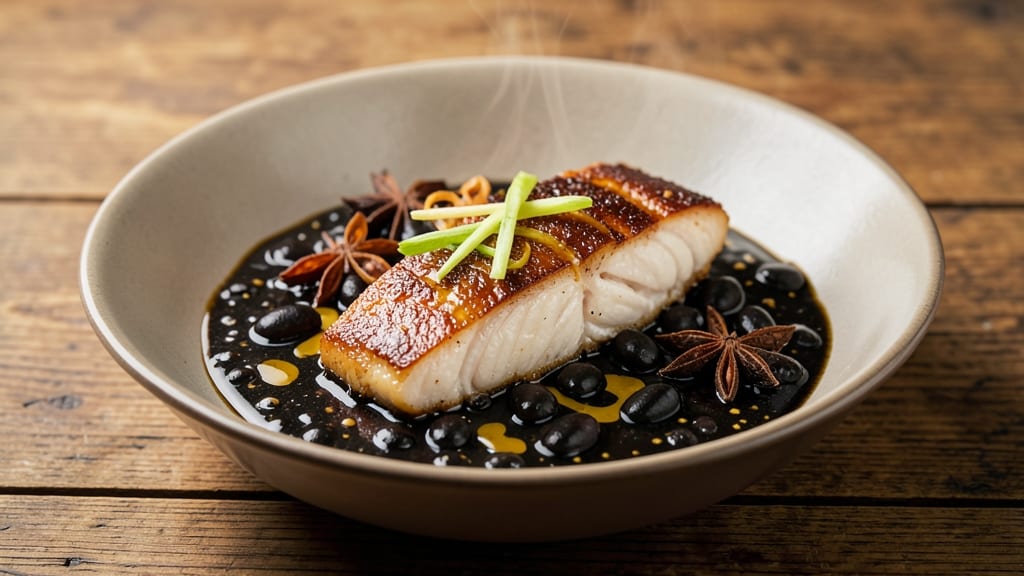
This braised fish with black bean sauce delivers restaurant-quality depth in a single pot, where tender fish absorbs the sauce's rich umami complexity. The secret lies in balancing traditional braising techniques with modern aromatic touches—like star anky and ginger—that elevate simple ingredients into something extraordinary.
I developed this recipe after years of perfecting the sauce-to-fish ratio, ensuring every bite carries both texture and flavor harmony.
What sets this dish apart is the black bean sauce itself—a velvety, slightly sweet-savory reduction that clings to the fish like a second skin. The process begins with a quick sear to lock in juices, followed by a 20-minute low-and-slow simmer that transforms tougher cuts into melt-in-your-mouth perfection.
No special equipment required beyond a heavy pot and patience, making it accessible yet impressive.
The result is a dish where flaky fish and silky sauce become one cohesive experience—golden edges on the fish contrast with the sauce's glossy sheen, while the black beans add subtle earthiness.
This is the kind of meal that feels both comforting and refined, perfect for weeknight dinners or special occasions when you want to impress without fuss.
Pair with steamed jasmine rice or crusty bread to soak up every last drop of that umami-rich sauce. The recipe scales effortlessly, so whether you're feeding two or six, the technique remains the same. Let's get started on creating this one-pot masterpiece.
Ingredients for braised fish with black bean sauce
Pantry staples meet restaurant-quality technique in this umami-rich, silky-smooth fish dish.
| Ingredient | Amount | Notes |
|---|---|---|
| White Fish Fillets 🐟 | 1 ½ lb | Firm texture preferred (cod, halibut, or sea bass) |
| Black Beans 🫘 | 1 cup | Canned, drained and rinsed |
| Fish Sauce 🍶 | 2 tbsp | Red Boat brand recommended |
| Star Anise 🌟 | 2 whole | Crushed lightly for aroma |
| Fresh Ginger 🌿 | 1 ½ tbsp | Finely grated, aromatic |
| Garlic Cloves 🧄 | 4 cloves | Minced, fresh preferred |
| Low-Sodium Soy Sauce 🍶 | ½ cup | Kikkoman preferred |
| Honey 🍯 | 2 tbsp | Wildflower preferred |
| Sesame Oil 🫒 | 1 tbsp | Toasted, for finishing |
| Green Onions 🧅 | ¼ cup | Sliced, for garnish |
| Vegetable Oil 🫒 | 2 tbsp | High smoke point |
| Coconut Milk 🥥 | ½ cup | Full-fat, for richness |
| Diamond Crystal Kosher Salt 🧂 | 1 ½ tsp | Fine grain preferred |
| Black Peppercorns 🌶️ | ½ tsp | Freshly cracked |
The fish selection is critical—cod or halibut hold up best to braising without falling apart. Look for fillets with firm, translucent flesh and minimal bruising at Whole Foods or your local seafood market. If using frozen, thaw overnight in the fridge, never at room temperature. The Red Boat fish sauce is non-negotiable here; its depth of umami transforms the sauce. For star anise, Penzeys Spices carries the highest-quality whole pods, which you'll crush lightly to release their anise-like aroma without bitterness. Ginger should be bright and firm, not shriveled or sprouting—Trader Joe's often has excellent organic roots.
No fish sauce? Substitute with 1 tbsp soy sauce plus 1 tsp molasses, though the umami won't be identical. Star anise unavailable? 1/4 tsp anise extract works in a pinch, but the texture difference is noticeable. For the coconut milk, full-fat only—light versions lack the necessary richness. The black beans can be substituted with lentils for a heartier texture, though they'll require longer simmering. Honey can be swapped for maple syrup, but the floral notes will differ slightly. Always toast your sesame oil in a dry pan for 30 seconds before adding to the dish—this removes any raw taste and enhances its nutty aroma.
This dish reheats beautifully, making it ideal for meal prep. Store in an airtight container for up to 3 days in the refrigerator, though the sauce thickens slightly upon reheating—simply add a splash of water or fish stock to restore its silky consistency. For longer storage, freeze portions for up to 3 months, though the texture may alter slightly. The sauce's depth improves with time, so reheat gently over low heat to preserve its velvety texture. Garnish with fresh green onions just before serving to maintain their vibrant color and crispness.
Why You'll Love This Recipe
- One-Pot Magic: I swear by this recipe because it’s one pan—no chopping mountains of veggies, no last-minute cleanup. Just fish, beans, and a splash of fish sauce simmering together while I stir a single pot. The star anise infuses the sauce in minutes, so you’re not waiting around for layers of flavor to build.
- Umami Bomb: That first bite? Chef’s kiss. The black beans add a deep, earthy richness, while the fish sauce cuts through with a salty punch—like a hug for your taste buds. And the ginger? It brightens everything without overpowering, so it’s never too heavy or one-note.
- Leftovers That Don’t Suck: Between us, most braised dishes turn into sad, watery meals the next day. Not this one. The sauce thickens beautifully, and the fish stays tender, so I actually look forward to reheating it for lunch. (Yes, even on a Tuesday night.)
- Budget-Friendly Feast: Fish fillets can be pricey, but here’s the hack: this recipe stretches them. The black beans bulk it up, and a little fish sauce goes a long way—so you’re feeding a crowd for less than takeout. Plus, star anise and ginger are dirt cheap and transform the whole dish.
Step-by-step instructions for braised fish with black bean sauce
This method delivers tender fish and rich sauce in a single pot—no complicated techniques required.
Prepare the Aromatics and Fish
Heat the 2 tablespoons vegetable oil in a large, deep skillet or Dutch oven over medium heat. Add the 4 cloves garlic cloves and 1.5 tablespoons fresh ginger—cook for 1 minute until fragrant but not browned. This foundational step builds flavor before we introduce the beans and fish.
Push the aromatics to one side of the pan, then add the 1.5 pounds white fish fillets (skin-side down if applicable). Season immediately with 1.5 teaspoons diamond crystal kosher salt and 0.5 teaspoon black peppercorns, pressing gently to ensure even contact. The fish will cook quickly, so don't walk away—watch for the edges to turn opaque, which signals it's ready to flip or lift out.
Build the Black Bean Sauce Base
Remove the fish to a plate and set aside. In the same pan, add the 1 cup black beans and 2 whole star anise (lightly crushed). Stir for 1 minute to toast the beans slightly, deepening their earthy flavor. Then pour in the 0.5 cup low-sodium soy sauce and 2 tablespoons fish sauce, scraping up any browned bits from the bottom of the pan.
Bring the mixture to a gentle simmer, then reduce heat to low. Let it cook for 5 minutes until the beans begin to soften and the sauce starts to thicken slightly. This step develops the umami foundation—don't rush it, as patience here ensures depth of flavor in the final dish.
Simmer with Coconut Milk and Honey
Return the fish to the pan, nestling it back into the sauce. Pour in the 0.5 cup coconut milk and 2 tablespoons honey, then stir gently to combine. The sauce should coat the fish evenly—if it looks too thick, add 1-2 tablespoons water to loosen it. Cover the pan and simmer over low heat for 8-10 minutes, until the fish flakes easily with a fork and the sauce has thickened to a velvety consistency.
Here's the thing—this is where the magic happens. The coconut milk adds richness while the honey balances the saltiness, creating a harmonious sauce. The fish should be just cooked through, with no resistance when pierced with a fork. If the sauce reduces too quickly, add a splash more water to maintain its silky texture.
Finish with Sesame Oil and Garnish
Remove the pan from heat and stir in the 1 tablespoon sesame oil. This final step adds a nutty aroma and subtle depth of flavor. Taste the sauce and adjust seasoning if needed—you may want to add a touch more fish sauce for saltiness or honey for sweetness, depending on your preference.
Garnish with the 0.25 cup sliced green onions, scattering them evenly over the top. Serve immediately while the fish is still warm, accompanied by steamed jasmine rice or crusty bread to soak up the luxurious sauce. The contrast of textures—tender fish, creamy sauce, and crisp garnish—makes this dish truly exceptional.
Pro Tips For Making Braised Fish With Black Bean Sauce
- Sear the Fish First: Hit the fish fillets with a quick 30-second sear in oil before adding the braising liquid—this locks in juices and gives the edges that crispy contrast. I used to skip this and wondered why my fish always felt rubbery in the sauce.
- Soak Black Beans: Drain and rinse canned black beans, then soak them in warm water for 10 minutes before adding to the sauce. This cuts the cloying sweetness and keeps the sauce from tasting like syrup. (Yes, even if you’re impatient like me.)
- Control the Fish Sauce: Add fish sauce gradually while tasting—start with half the recipe’s amount, then adjust. Too much upfront and the sauce turns harsh; too little and the depth disappears. My grandmother swore by this, and she was right: balance matters more than exact measurements.
- Simmer, Don’t Boil: Keep the heat low enough that the sauce barely bubbles—gentle simmering prevents the fish from breaking apart and lets the flavors meld. After burning three batches, I finally figured out: patience here means a silky sauce, not a watery mess.
Perfect pairings for braised fish with black bean sauce
Rice Pairing Perfection
Jasmine rice is the ideal companion for this dish—its delicate floral aroma and slightly sticky texture soak up the sauce beautifully. Cook 1 cup uncooked jasmine rice with 1.5 cups water and a pinch of salt for perfectly fluffy grains.
The rice should be hot when serving to contrast the warm fish and sauce. For extra richness, stir 1 teaspoon toasted sesame oil into the cooked rice before plating. 🌟
Crusty Bread Essentials
A warm baguette or sourdough loaf transforms this into a hands-on meal. Tear the bread into 1-inch pieces and toast them in the oven at 375°F for 5-7 minutes until golden. The bread’s crust provides texture contrast while absorbing the sauce’s umami depth.
For a modern twist, serve with garlic butter on the side—mix 2 tbsp softened butter with 1 minced garlic clove and a pinch of salt. ✨
Vegetable Sides
Steamed bok choy or blistered green beans add freshness to balance the dish’s richness. For bok choy, steam 2 bunches for 3-4 minutes until tender-crisp, then toss with 1 tsp toasted sesame seeds and a squeeze of lime.
Blistered green beans should be sautéed in 1 tbsp vegetable oil over high heat for 2-3 minutes until charred. Both sides highlight the sauce’s complexity without overpowering it. 💛
Wine Pairings
A crisp Sauvignon Blanc from New Zealand complements the dish’s umami and floral notes. Look for wines with citrus and herbal undertones, like Cloudy Bay or Oyster Bay.
For red wine lovers, a light Pinot Noir with earthy notes—such as Meiomi—pairs surprisingly well, especially if decanted 30 minutes before serving. 🍷
Non-Alcoholic Options
For a refreshing non-alcoholic match, serve sparkling yuzu soda (like San Pellegrino Yuzu) to cut through the dish’s richness. The citrusy effervescence cleanses the palate between bites.
Alternatively, a hibiscus iced tea with 1 tbsp honey adds a floral sweetness that mirrors the dish’s honeyed sauce. Both options enhance the meal’s overall harmony. 💫
Dessert Harmony
End the meal with something light yet complementary, like mango sorbet or lychee jelly. The tropical sweetness of mango sorbet contrasts the dish’s savory depth, while lychee jelly’s floral notes echo the jasmine rice’s aroma.
For a simpler option, serve white chocolate-dipped strawberries—the chocolate’s bitterness balances the meal’s richness. 🍓
Nutrition facts
Frequently asked questions
Can I use frozen fish for this recipe?
Yes, but thaw it properly first! Place frozen fish fillets in a sealed bag and refrigerate overnight for 24 hours. Never thaw at room temperature, as this promotes bacterial growth. The fish should feel firm but slightly pliable when ready. For thicker cuts like halibut, allow 48 hours for even thawing.
What if my sauce turns out too thick?
Simply add 1-2 tablespoons water or low-sodium fish stock while simmering to loosen the sauce. Stir gently and cook for an additional 2-3 minutes to re-emulsify. For extra richness, you can also whisk in 1 teaspoon coconut milk to restore its velvety texture. The key is gradual adjustments—don't add all the liquid at once.
How do I adjust this recipe for spicier flavors?
Add ½ teaspoon red pepper flakes during the initial aromatics step, or stir in 1 teaspoon sriracha when finishing with sesame oil. For heat lovers, try 1 tablespoon chopped Thai chilies sautéed with the garlic and ginger. Always taste before serving—you can reduce heat by adding 1 extra tablespoon honey to balance.
Can I make this dish ahead of time?
This recipe actually tastes better the next day as flavors meld. Store in an airtight container for up to 3 days in the fridge. Reheat gently over low heat with a splash of water to restore sauce consistency. For longer storage, freeze portions for 3 months, though the sauce may thicken further—just add extra liquid when reheating.
What's the best fish for this recipe?
Firm, medium-fat white fish work best—cod, halibut, or sea bass hold up perfectly to braising. Avoid delicate fish like tilapia or flounder, which can turn mushy. Look for fillets with translucent flesh and minimal bruising. If using frozen, ensure it's previously thawed as directed above.