
Side Dishes
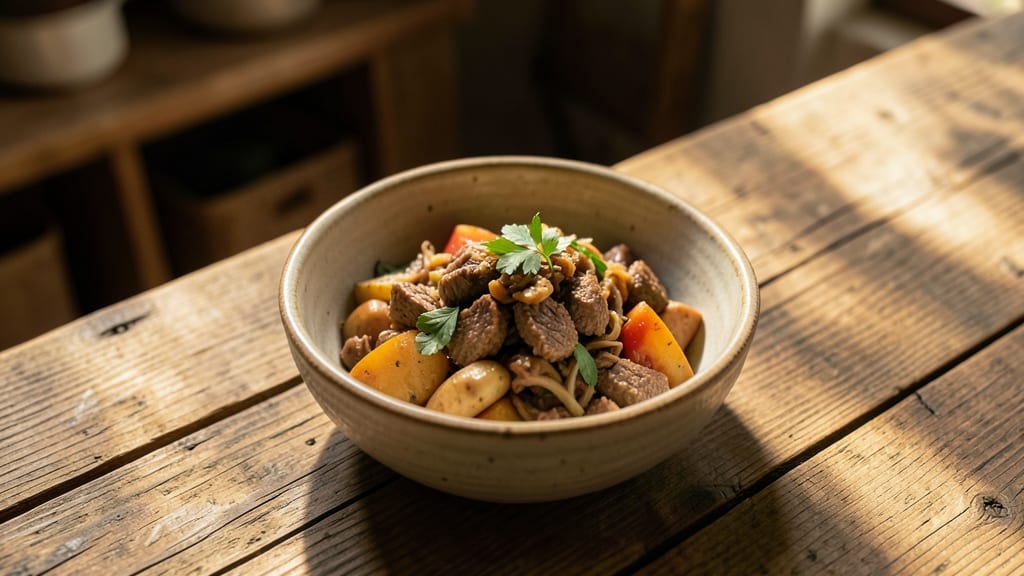
This Buckeye beans recipe delivers the rich, smoky comfort of Southern home cooking—where tender pinto beans simmer with crispy bacon until the flavors meld into a creamy, tomato-infused masterpiece.
I first made these during a Boston winter when I craved something hearty enough to warm up a cold kitchen, and they’ve been a staple ever since. The slow-cooking process transforms tough beans into fork-tender perfection, while bacon adds a savory depth that turns simple ingredients into something extraordinary.
The beauty of Buckeye beans lies in their simplicity: just a few ingredients—pinto beans, bacon, onions, and a touch of tomato—simmered together until the flavors harmonize. Unlike other bean dishes that rely on complex seasonings, this recipe lets the natural richness of the ingredients shine through.
The bacon renders down, infusing the beans with smoky flavor, while the tomatoes add a subtle tang that balances the richness. It’s the kind of dish that tastes even better the next day, making it perfect for meal prep or feeding a crowd.
What you’ll end up with is a creamy, velvety bean dish that’s far from bland—each bite packed with smoky bacon, tender beans, and a hint of tomato sweetness.
The texture is unmatched: beans that hold their shape but melt in your mouth, all coated in a sauce that’s rich enough to satisfy even the most skeptical eaters.
Serve it alongside grilled meats, cornbread, or even as a standalone dish, and you’ll understand why this Southern classic has stood the test of time.
Ready to make it? The process is straightforward, but the results are anything but ordinary. Let’s get cooking—your taste buds will thank you.
Ingredients for buckeye beans
Pantry staples and a few fresh touches. That's all it takes for smoky, creamy Buckeye beans.
| Ingredient | Amount | Notes |
|---|---|---|
| Dry Pinto Beans 🌾 | 2 cups | Uncooked, rinsed well |
| Thick-Cut Bacon 🥓 | 1 ½ lb | Uncooked, chopped into 1/2-inch pieces |
| Yellow Onion 🧅 | 1 whole | Medium, chopped into 1/2-inch pieces |
| Canned Tomato Sauce 🍅 | 28 oz | No salt added, 28 oz can |
| Garlic Cloves 🧄 | 4 cloves | Fresh, minced |
| Salt 🧂 | 1 ½ tsp | Kosher or sea salt |
| Black Pepper 🌶️ | ½ tsp | Freshly ground |
| Bay Leaves 🍃 | 2 whole | Dried, standard size |
| Apple Cider Vinegar 🍎 | 1 tbsp | For brightness |
| Granulated Sugar 🍚 | 1 tbsp | Balances acidity |
| Water 💧 | 8 cups | For soaking beans |
| Fresh Parsley 🌿 | ¼ cup | Chopped, for garnish |
The bacon is the secret weapon here. Thick-cut bacon from the butcher counter (not the pre-chopped stuff) gives you the best flavor and texture. I always grab mine at Whole Foods or Costco—it's worth the extra few cents per pound. The pinto beans? No need to soak if you're patient, but I like to give them a quick rinse and an overnight soak in water with a pinch of baking soda to soften them faster. The tomato sauce should be no-salt-added—you control the seasoning here, and pre-salted will throw everything off.
No thick-cut bacon? Regular bacon cut into 1/2-inch pieces works, but it'll render faster and might make the dish slightly oilier. Fresh parsley wilting? Dried parsley at half the amount gets you close, though fresh is definitely better. The apple cider vinegar adds that subtle tang that makes this dish sing—white vinegar works in a pinch, but cider vinegar has more depth. If you're using canned beans instead of dry, make sure to drain and rinse them well. The sugar might seem odd, but it's there to balance the acidity from the vinegar and tomatoes—don't skip it.
This tastes even better the next day, so make a big batch. Store leftovers in an airtight container in the fridge for up to 5 days. Freezes beautifully for 3 months—just thaw in the fridge overnight. I always double the recipe because it disappears fast. The bacon bits keep the dish interesting even after reheating, so don't skip the crispy bits at the end. Garnish with fresh parsley right before serving for that restaurant-quality touch.
Why You'll Love This Recipe
- One-Pot Magic: I swear by this recipe when I’m too tired to wash dishes. Just toss everything—beans, bacon, onion—into one pot and let it simmer. No extra pans, no fuss, and honestly? The bacon fat does half the flavor work for you.
- Smoky-Sweet Crunch: That crispy bacon wrapped around tender beans? It’s the kind of bite that makes you pause mid-bite. The tomato sauce adds just enough tang to balance the richness, and the garlic? It’s like a little flavor hug in every spoonful.
- Meal Prep MVP: Between us, this is my go-to for busy weeks. Make a big batch on Sunday, and you’ve got lunch or dinner covered all week—whether it’s straight from the pot or reheated with rice. My kids even ask for it at school (yes, I pack leftovers).
- Budget-Friendly Powerhouse: Dry pinto beans and thick-cut bacon stretch this recipe into a full meal without breaking the bank. I’ve fed a crowd of six for under $15, and everyone leaves happy. Plus, the leftovers? Just as good the next day—if they last that long.
Step-by-step instructions for Buckeye beans
Here's how to create rich, smoky beans with perfect bacon depth and tomato balance.
Soak the Dry Pinto Beans Overnight
Place the 2 cups of dry pinto beans in a large bowl and cover them with the 8 cups of water. Let them soak at room temperature for at least 8 hours or overnight. This overnight soak ensures the beans cook evenly and prevents a tough texture. You'll know they're ready when they've doubled in size and feel soft when squeezed.
After soaking, drain the beans thoroughly using a fine-mesh strainer. Give them a quick rinse under cold water to remove any surface starch. This step is crucial—it prevents the beans from becoming gummy during cooking. Transfer the soaked beans to a large pot or slow cooker for the next step.
Cook the Thick-Cut Bacon Until Crispy
In a separate large skillet, cook the 1.5 lb of thick-cut bacon over medium heat until it's golden brown and crispy. This should take about 10-12 minutes. The bacon should release its fat naturally, creating a flavorful base for your beans.
Once crispy, remove the bacon from the skillet and set it aside on paper towels to drain excess fat. Save 2 tablespoons of the bacon fat in the skillet—this golden liquid is packed with flavor and will help create a rich sauce for your beans. Discard the remaining fat or save it for another use.
Sauté the Yellow Onion and Garlic Cloves
In the same skillet with the reserved bacon fat, add the chopped yellow onion. Cook over medium heat for 5-6 minutes until the onion becomes soft and translucent. You'll notice the aroma filling your kitchen—this is where the foundation of your beans' flavor begins to develop.
Add the 4 cloves of minced garlic to the skillet and cook for an additional 30 seconds until fragrant. Be careful not to let the garlic burn—it should just barely change color. Remove the skillet from heat and set it aside for now. You'll add these aromatics back to the beans later.
Combine All Ingredients and Simmer
In your large pot or slow cooker with the soaked beans, add the cooked bacon, sautéed onion and garlic mixture, 28 oz of canned tomato sauce, 2 whole bay leaves, 1 tbsp of apple cider vinegar, 1 tbsp of granulated sugar, 1.5 tsp of salt, and 0.5 tsp of black pepper. Stir everything together until well combined.
Bring the mixture to a boil over high heat, then reduce the heat to low. Let it simmer uncovered for 1.5 to 2 hours, stirring occasionally. You'll see the beans gradually soften and the liquid reduce. The beans are done when they're tender but still hold their shape—when you press a bean between your fingers, it should give slightly but not mash completely.
Finish and Garnish
Once the beans are tender, remove the 2 bay leaves and discard them. Taste the beans and adjust the seasoning if needed—you might want to add a bit more salt or a splash of apple cider vinegar for brightness. The beans should have a rich, smoky flavor with a perfect balance of sweetness from the sugar and acidity from the vinegar.
To serve, ladle the beans into bowls and garnish each serving with 1 tablespoon of the chopped fresh parsley. The parsley adds a fresh contrast to the rich, smoky beans. Serve immediately with crusty bread or over rice to soak up all that delicious sauce.
Pro Tips For Making Buckeye Beans
- COOK THE BEANS LOW: Pinto beans need patience—simmer them at a bare simmer (180–190°F) with the lid ajar after the first 30 minutes. I used to crank the heat and end up with mushy beans; this keeps them tender but intact, so they hold up when mixed with bacon later.
- CRISP THE BACON FIRST: Render the thick-cut bacon until it’s crispy, then drain it on paper towels before chopping. The extra fat adds flavor, but crispy bits elevate the dish—skip this, and you’ll miss that satisfying crunch in every bite.
- SWEAT THE ONIONS RIGHT: Cook the onions in the bacon fat until they’re deep golden, not just soft—about 10–12 minutes. I learned this the hard way: undercooked onions make the beans taste flat, while caramelized ones bring sweetness that ties everything together.
- STIR IN THE SAUCE LAST: Add the tomato sauce after the beans are almost done, not at the start. The acidity can toughen the beans if introduced too early, and you’ll end up with a watery mess instead of a rich, cohesive sauce.
Troubleshooting this recipe
Mushy Beans Fix
If your beans turn out mushy, it’s usually because they cooked too long or were over-soaked. I’ve ruined a batch or two by not checking the texture early enough—press a bean between your fingers at the 1.5-hour mark.
If it’s still firm, keep simmering; if it’s soft, reduce heat immediately. For extra insurance, add 1 extra bay leaf during cooking—it helps firm up the texture. 🌱
Bacon Too Greasy?
Too much bacon fat can make your beans greasy, especially if you used regular bacon instead of thick-cut. My trick? Pat the cooked bacon dry with paper towels before adding it to the beans, and save only 1 tablespoon of bacon fat for sautéing onions (not the full 2 tablespoons).
If the dish still feels oily, stir in 1 extra tablespoon of tomato sauce to balance it out.
Flat or Bland Flavor
Bland beans usually mean insufficient seasoning or underdeveloped flavors. Boost the acidity by adding an extra ½ teaspoon of apple cider vinegar at the end, or double the garlic to 8 cloves for deeper flavor.
For smokiness, crush 2 extra bay leaves into the sauce during the last 10 minutes of cooking. I also like a pinch of smoked paprika if I want extra depth. 🔥
Beans Still Hard?
Hard beans happen when they’re undercooked or soaked improperly. If your beans feel tough after 2 hours, add 1 extra cup of water, cover, and simmer for another 30-45 minutes.
For future batches, soak beans with 1 teaspoon of baking soda overnight—it helps break down their skins faster. Pro tip: Use a pressure cooker for 30 minutes on high pressure if you’re short on time.
Sauce Too Thin?
A thin sauce often means the beans absorbed too much liquid. Reduce the liquid by simmering uncovered for an extra 15-20 minutes to thicken it naturally. If that doesn’t work, mash 2-3 beans with a fork to release starch, which will help thicken the sauce.
For a quick fix, stir in 1 tablespoon of cornstarch mixed with 2 tablespoons of water and simmer for 5 minutes. 💡
Burnt Onions or Garlic
Burnt aromatics ruin the dish’s balance. Cook onions on medium-low heat for 8-10 minutes instead of high, and add garlic only in the last 30 seconds of sautéing.
If you’ve already burnt them, remove the skillet immediately and start over with fresh onions and garlic. The key is patience—rushed cooking leads to bitter flavors. 🧅
Nutrition facts
Frequently asked questions
Can I make Buckeye beans with canned beans instead of dry?
Yes! Use 3 (15-oz) cans of no-salt-added pinto beans, drained and rinsed. Skip the overnight soak and reduce simmering time to 45-60 minutes. The texture will be slightly softer but still delicious. Just add the bacon and aromatics first, then stir in the beans at the end to heat through.
Why do some recipes call for ham hock instead of bacon?
Ham hock adds a deeper, meatier flavor that some Southern cooks prefer. Use 1 (12-oz) ham hock instead of bacon, simmering it with the beans for 2 hours before removing. The meat will fall off the bone and infuse the dish with rich, savory notes. It's especially good if you want a heartier, more substantial texture.
Can I make this in an Instant Pot or pressure cooker?
After soaking, combine all ingredients in your Instant Pot and cook on high pressure for 25 minutes. Let the pressure release naturally for 10 minutes, then stir in the bacon and fresh parsley. The pressure cooker cuts time dramatically while keeping the beans tender and flavorful. Just watch the liquid level—add 1 cup water if needed.
What's the best way to reheat leftovers?
Reheat gently on the stovetop with 2 tablespoons of water over low heat for 5-7 minutes, stirring occasionally. Microwave in 1-minute intervals on medium power, stirring between each. The sauce will thicken slightly when reheated—add a splash of water or tomato sauce if it gets too dry. Never skip the parsley garnish to brighten the flavors!
Are Buckeye beans gluten-free?
Yes, this recipe is naturally gluten-free! Just ensure your tomato sauce and broth (if using) have no gluten additives. The bacon and other ingredients are typically safe, but always check labels. For extra insurance, use certified gluten-free bacon. The dish maintains its rich, smoky character without any gluten-containing ingredients.