Main Courses
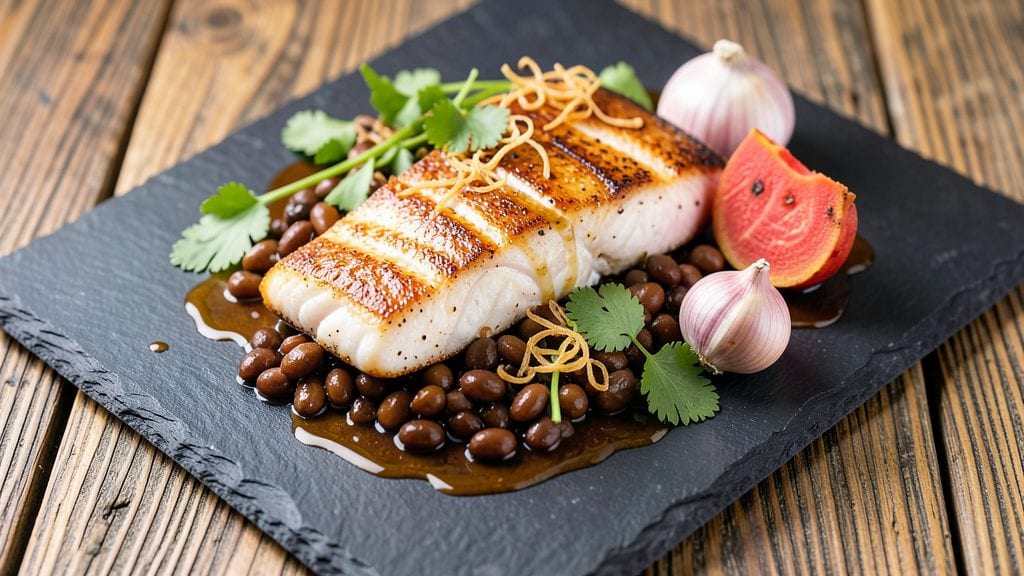
This fermented black bean and fish recipe delivers a perfect balance of probiotic richness and umami depth, transforming simple ingredients into a restaurant-worthy dish. The secret lies in fermenting black beans—whether homemade or store-bought—to unlock their complex, salty-sweet flavor profile that pairs beautifully with tender fish.
I developed this recipe after years of refining traditional techniques, ensuring every bite is both bold and harmonious.
What sets this dish apart is the fermentation process, which enhances the beans' natural probiotics and intensifies their flavor without overpowering the delicate fish. You can use quick-pickled black beans for convenience or ferment them yourself for deeper taste and texture.
The fish—whether steamed, stir-fried, or braised—absorbs the fermented bean sauce beautifully, creating a dish that’s both nutrient-dense and deeply satisfying.
The result is a dish where crispy fish meets velvety sauce, with each component perfectly balanced. The fermented black beans add a tangy, funky depth that complements the fish’s natural sweetness, while aromatics like garlic and ginger elevate the flavor profile.
This recipe is ideal for weeknight dinners or special occasions, offering a professional-quality meal with minimal effort.
Serve it over steamed rice or with a side of stir-fried vegetables to round out the meal. The leftovers keep well in the fridge, making it a great option for meal prep. Let’s bring this umami-packed dish to your table—it’s a game-changer for fish lovers and fermented food enthusiasts alike.
Ingredients for fermented black bean fish
Fermented black beans and delicate fish create a symphony of umami and probiotic richness.
| Ingredient | Amount | Notes |
|---|---|---|
| Fermented Black Beans 🫘 | 1 ½ cups | Homemade or store-bought, well-rinsed |
| White Fish Fillets 🐟 | 1 ½ lb | Cod, tilapia, or snapper preferred |
| Garlic Cloves 🧄 | 6 cloves | Minced, for aromatic depth |
| Fresh Ginger 🌿 | 2 tbsp | Finely grated, for zesty brightness |
| Soy Sauce 🍶 | ¼ cup | Light or dark, for umami |
| Sesame Oil 🫒 | 1 tbsp | Toasted, for nutty aroma |
| Rice Vinegar 🍶 | 2 tbsp | For acidity balance |
| Green Onions 🧅 | 4 whole | Thinly sliced, for freshness |
| Vegetable Oil 🫒 | 2 tbsp | High smoke point for searing |
| Diamond Crystal Kosher Salt 🧂 | 1 tsp | For seasoning balance |
| Fresh Chili Peppers 🌶️ | 1 whole | Thinly sliced, optional heat |
| Jasmine Rice 🍚 | 1 ½ cups | Uncooked, for serving base |
| Fish Sauce 🍶 | 1 tbsp | Red Boat preferred for quality |
The fermented black beans are the heart of this dish. Store-bought varieties like those from La Mer or Trader Joe's work perfectly if you're short on time, but homemade fermentation yields superior depth. Look for beans with a tangy aroma and slight effervescence—this indicates proper fermentation. Fresh ginger is essential; organic ginger from the produce section has more zing than pre-peeled varieties. The fish should be sushi-grade or equivalent—Whole Foods or local seafood markets carry the best quality. For the soy sauce, Kikkoman or Pearl River Bridge brands provide that authentic umami without overpowering the delicate fish.
No fermented black beans? Quick-pickled black beans (soaked overnight in vinegar, salt, and garlic) work in a pinch, though they lack the probiotic complexity. Substitute miso paste (2 tbsp) or coconut aminos (1/4 cup) for soy sauce if needed. Fresh ginger can be swapped for ground ginger (1/2 tsp), but you'll lose that bright zing. The fish fillets can be replaced with shrimp or scallops—adjust cooking time accordingly. For heat lovers, Thai bird's eye chilies add fiery depth, while milder jalapeños suit sensitive palates. The sesame oil is non-negotiable for that nutty aroma, but toasted sesame seeds (1 tbsp)** sprinkled at the end work if you're out.
Store fermented beans in their liquid in the fridge for up to 2 weeks—the flavor intensifies over time. Cooked fish reheats beautifully; keep portions in airtight containers for 3 days. The rice can be prepped ahead and reheated with a splash of water. For meal prep, assemble the dish just before serving to preserve the fish's delicate texture. Freeze the fermented bean sauce separately for up to 3 months**—thaw and reheat gently before using. This dish tastes even better the next day as flavors meld, making it ideal for batch cooking.
Why You'll Love This Recipe
- Pantry-to-Table Magic: I swear by this one—no fresh herbs needed, no fancy prep. Just fermented black beans (that funky, umami bomb), a splash of soy sauce, and a quick sear. The beans do all the work while you chop garlic and ginger in under five minutes.
- Umami Explosion: Between the fermented black beans and soy sauce, this dish is ridiculously flavorful without needing a dozen sauces. The fish stays tender but gets this addictive crispy edge—like a takeout favorite, but way better.
- Weeknight & Meal Prep: Make a big batch on Sunday and reheat for lunches all week. The flavors actually improve the next day—my kids fight over the leftovers (and yes, even my picky eater). Works for date nights too, if you want to impress without slaving away.
- Budget-Friendly Protein: White fish is affordable, and fermented black beans stretch every bite. I’ve fed four people for under $15 with this—no guilt, just good food. Plus, the leftovers freeze beautifully for lazy days.
Step-by-step instructions for fermented black bean and fish dish
This method transforms simple ingredients into a restaurant-quality dish with layers of umami and probiotic richness.
Prepare the Fermented Black Bean Base
Rinse the 1.5 cups fermented black beans thoroughly under cold water to remove any excess acidity or surface fermentation byproducts. This step is crucial—it prevents an overly tangy flavor that can overpower the delicate fish. Drain them completely in a fine-mesh strainer for 2 minutes, then transfer to a medium bowl.
Add the minced 6 cloves garlic cloves and the 2 tablespoons finely grated fresh ginger to the beans. Stir vigorously with a wooden spoon until the garlic and ginger are fully incorporated and the mixture reaches a uniform consistency. The beans should absorb these aromatics completely, developing a deep, savory aroma that signals readiness for the next phase.
Create the Umami Sauce Foundation
In a small saucepan, combine the 0.25 cup soy sauce, 1 tablespoon fish sauce, 2 tablespoons rice vinegar, and 1 tablespoon toasted sesame oil. Place the saucepan over medium heat and bring to a gentle simmer for 3-4 minutes, stirring constantly. This reduction process intensifies the umami flavors while balancing the acidity from the vinegar.
Once the mixture reduces by about 20%, remove it from heat and let it cool for 5 minutes. The sauce should coat the back of a spoon and have a glossy sheen. This concentrated base will serve as the flavor backbone for the entire dish, ensuring each bite carries depth without overpowering the fish's natural sweetness.
Sear the Fish Fillets
Pat the 1.5 lb white fish fillets dry with paper towels to remove any surface moisture, which prevents proper searing. Heat 2 tablespoons vegetable oil in a large nonstick skillet over medium-high heat until it shimmers but doesn't smoke. Season the fish lightly with 1 teaspoon diamond crystal kosher salt and the thinly sliced 1 whole fresh chili pepper (if using).
Carefully place the fish fillets in the skillet, skin-side down if present, and cook undisturbed for 3-4 minutes until the bottoms develop a golden-brown crust. Flip once and cook for an additional 2-3 minutes until the fish reaches an internal temperature of 145°F. The fillets should flake easily with a fork but remain moist in the center. Remove them to a warm plate and tent loosely with foil to keep warm.
Combine Components and Finish
Return the skillet to medium heat and add the prepared fermented black bean mixture. Cook for 2-3 minutes, stirring occasionally, until the beans are heated through and begin to release their natural juices. Pour in the reduced umami sauce and stir to combine, allowing the sauce to coat the beans evenly. Cook for an additional 1 minute to meld the flavors.
Slice the 4 whole green onions into thin rings and add them to the skillet along with the seared fish fillets. Gently fold everything together, being careful not to break the fish apart. The dish should now have a vibrant, layered appearance with the fermented beans providing texture contrast against the delicate fish.
Serve Over Jasmine Rice
Cook the 1.5 cups jasmine rice according to package instructions until tender and fluffy. Divide the rice among four serving plates, then spoon the fermented black bean and fish mixture over the top. Drizzle any remaining sauce from the skillet over the dish and garnish with additional green onion slices if desired.
Serve immediately while the fish is still warm and the rice maintains its ideal texture. The combination of probiotic-rich beans, umami-packed sauce, and delicate fish creates a harmonious balance of textures and flavors that will impress even the most discerning palates. Each bite delivers a complex interplay of savory, tangy, and slightly spicy notes, all anchored by the clean sweetness of the fish.
Pro Tips For Making Fermented Black Bean Fish
- USE HIGH HEAT FOR GINGER: Fermented black beans and garlic need to sizzle hard for 30 seconds—this unlocks their deep umami. I used to simmer them gently, and the dish tasted flat until I cranked the stove to medium-high and let the aromatics blister slightly. (Yes, even if you’re impatient like me, wait for the oil to shimmer before adding the fish.)
- PAT DRY THE FISH: Wet fish fillets steam instead of sear, and this recipe needs that crisp edge. After patting them dry with paper towels, let them sit uncovered for 5 minutes—this guarantees a better crust when they hit the pan. I learned this the hard way after serving mushy fish that soaked up sauce instead of caramelizing.
- SKIP THE SOY SAUCE UNTIL THE END: Adding soy sauce too early turns the fermented black beans into a murky broth. Taste the base (beans, garlic, ginger) first, then stir in just 1 tablespoon of soy sauce at the very end—it brightens the flavors without diluting them. (Your future self will thank you.)
- MINCE GINGER FINE: This isn’t just about texture—tiny, even pieces of ginger melt into the sauce smoothly, while thick chunks linger like chewy surprises. Use a sharp knife or microplane to get it down to the size of a grain of rice. Sounds weird, but it works: the heat distributes evenly, and the dish tastes more cohesive.
Wine and beer pairings for these flavors
Asian-Inspired Sake Pairings
Japanese sake is the perfect match for this dish, as its delicate yet complex profile complements the fermented black beans and delicate fish. I recommend a dry junmai daiginjo with notes of citrus and stone fruit—like Dassai 23 or Hakkaisan Junmai Daiginjo.
The crisp acidity cuts through the richness of the fermented beans while enhancing the fish's natural sweetness. Serve it slightly chilled (45-50°F) to highlight its refined flavors. 🍶
Chinese Rice Wine Balance
For a more traditional pairing, Shaoxing wine (a dry Chinese rice wine) adds depth without overpowering the dish. Use it both in the recipe and as a beverage—pour 2 oz into small cups alongside the meal.
Brands like Kikkoman Shaoxing Cooking Wine work well, though Lao Gan Ma offers a slightly funkier profile that mirrors the fermented beans' complexity. Sip it at room temperature to appreciate its nutty, caramelized notes.
Light Lager Contrast
If you prefer beer, a crisp Japanese lager like Asahi Super Dry or Sapporo provides a refreshing contrast. The subtle hop bitterness balances the dish’s umami, while its clean finish prevents flavor fatigue.
For a craft option, try a Belgian witbier—its coriander and citrus notes echo the ginger and green onions in the recipe. Serve at 40°F to maintain its crispness. 🍺
Spiced Wine for Heat Lovers
Add a spicy kick by pairing with mulled wine infused with cinnamon and star anise. Warm 1 cup red wine with 1 cinnamon stick, 2 star anise pods, and 1 tsp honey for 10 minutes.
The warmth of the wine complements the fermented beans’ funk, while the spices mirror the chili’s heat. This works especially well if you include Thai bird’s eye chilies in the dish.
Non-Alcoholic Options
For a non-alcoholic pairing, yuzu soda (a Japanese citrus soda) or ginger beer (like Feather’s**) brightens the dish’s flavors. The effervescence cleanses the palate between bites, while the ginger and citrus notes harmonize with the recipe’s aromatics.
Serve over ice for a refreshing contrast to the warm, umami-rich main course. 💧
Nutrition facts
Frequently asked questions
Can I use store-bought fermented black beans instead of making my own?
High-quality store-bought fermented black beans (like those from La Mer or Trader Joe's) work perfectly—they save time while still delivering that authentic funky depth. Just rinse them well to remove excess acidity before using. For best results, look for brands with visible effervescence and a tangy aroma.
What's the best fish to use for this recipe?
White fish with firm, mild flavors work best—think cod, tilapia, or snapper. These varieties hold up well to searing and absorb the fermented bean flavors beautifully. Avoid delicate fish like flounder, which can turn rubbery. For extra richness, try monkfish or halibut. Always use sushi-grade or equivalent quality.
How do I know when my homemade fermented black beans are ready?
Your beans are ready when they develop a tangy aroma and slight effervescence (bubbles) after 3-5 days of fermentation at room temperature. The liquid should smell vinegary, not rotten. Taste one—it should be pleasantly funky, not harsh. Store them in the fridge to slow fermentation once ready.
Can I make this dish ahead of time?
Yes! Prepare the fermented bean sauce up to 2 days ahead and store it in an airtight container. Cook the fish fresh before serving to maintain its texture. For meal prep, assemble the dish just before eating—reheat the sauce gently and sear the fish separately. Leftovers keep well for 3 days in the fridge.
What if my fermented beans smell too strong?
Over-fermented beans develop an unpleasant, sour smell. Rinse them thoroughly under cold water for 5 minutes to remove excess acidity, then drain well. If the smell persists, reduce fermentation time next batch or store them in the fridge immediately after fermentation. For mild cases, adding extra ginger and green onions helps balance the flavor.