
Side Dishes
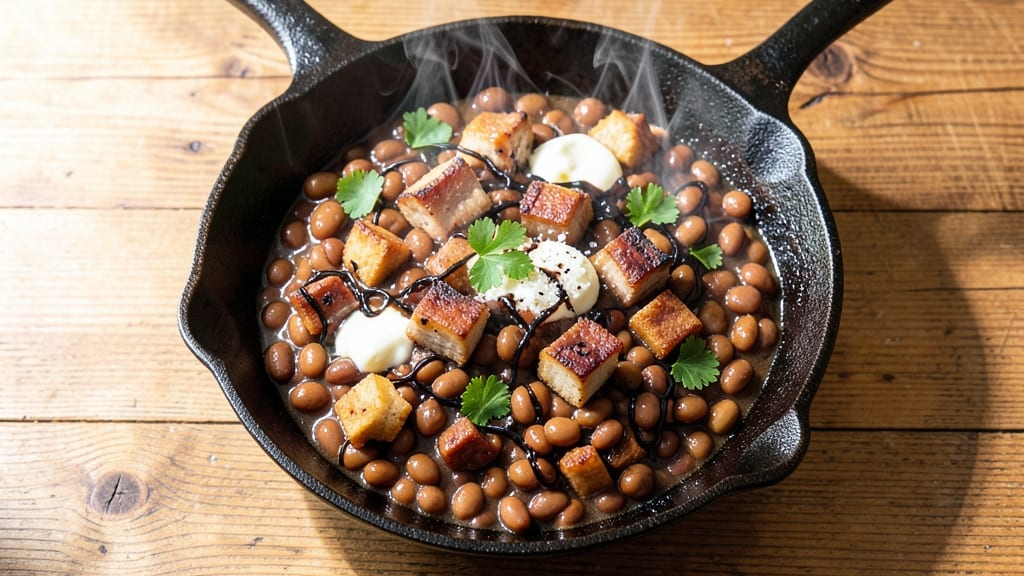
Grandma Brown's baked beans recipe is the kind of dish that carries generations in every spoonful—slow-simmered until tender, sweetened just enough to balance the smoky depth, and perfected through time. I first tasted these beans at a family reunion when the cast-iron skillet arrived at the table, still steaming, its surface crackling with caramelized edges. The secret wasn’t just the molasses or the brown sugar; it was the patience—letting flavors meld over hours, not minutes.
What makes this recipe timeless is its flexibility: you can start with dried beans for authentic texture or use canned for a quicker version that still delivers that same rich, smoky-sweet profile.
The slow simmer on the stovetop builds layers of flavor, while the final oven bake creates a crispy top that’s impossible to resist. This isn’t just a side dish—it’s the heart of a meal, the kind that turns ordinary dinners into memories.
The beans emerge tender but firm, coated in a glossy sauce that clings to every bite, with just the right balance of sweetness and smokiness. Serve them straight from the skillet for maximum drama, or transfer to a bowl for easier sharing.
They pair perfectly with cornbread, fried chicken, or even a simple ham—because the best recipes aren’t just about the dish itself, but how they bring people together.
Whether you’re recreating a family tradition or discovering it for the first time, these baked beans are a testament to how simple ingredients—beans, broth, spices, and a little time—can create something extraordinary. Let’s get started on a recipe that’s been passed down for decades, now ready for your kitchen.
Ingredients for grandma brown's baked beans
Six core ingredients transform into a legacy dish—slow-simmered until tender and sweetened just right.
| Ingredient | Amount | Notes |
|---|---|---|
| Navy Beans (Dried) 🌾 | 2 cups | Uncooked, soaked overnight |
| Pork Shoulder (or Ham Hock) 🥓 | 1 lb | For smoky depth (optional) |
| Beef Broth 💧 | 4 cups | Low-sodium preferred |
| Unsalted Butter 🧈 | ½ cup | Full-fat for richness |
| Light Brown Sugar 🍚 | ¾ cup | Packed, not scooped |
| Molasses 🍯 | ½ cup | Unsulphured preferred |
| Yellow Onion 🧅 | 1 whole | Diced, medium size |
| Garlic Cloves 🧄 | 4 cloves | Minced, fresh preferred |
| Kosher Salt 🧂 | 1 ½ tsp | Adjust to taste |
| Ground Black Pepper 🌶️ | ½ tsp | Freshly ground |
| Smoked Paprika 🌶️ | 1 tsp | For authentic smokiness |
| Mustard Powder 🍯 | ½ tsp | Dry, yellow preferred |
| Bay Leaves 🌿 | 2 whole | Fresh or dried |
The beans are the foundation, and dried navy beans deliver that classic texture—though canned beans (drained and rinsed) work in a pinch. For the smoky depth, pork shoulder or ham hock is ideal, but you can skip it entirely if preferred. Costco or local butchers often have affordable cuts; if using ham hock, simmer it separately first to render fat. The broth matters too—low-sodium options prevent over-salting, and homemade beef broth adds richness. For molasses, unsulphured is key—it preserves the deep, caramel notes that define this recipe. Grab a small bottle from the baking aisle if you don’t have it on hand.
No pork shoulder? Extra smoked paprika or liquid smoke (½ tsp) mimics the depth, though nothing beats the real thing. Swap brown sugar for white sugar plus ½ tsp cinnamon if needed, but the molasses-to-sugar ratio is sacred—keep it 1:1.5 for balance. Fresh garlic and onion are non-negotiable for flavor, but powdered versions work at double the amount if you’re short on time. The bay leaves? Fresh is best, but dried holds up fine—just remove them before serving. For a quicker version, use pre-cooked beans and reduce simmering time by half.
This dish tastes even better the next day as flavors meld. Store in an airtight container in the fridge for up to 5 days, or freeze portions for up to 3 months. For reheating, add a splash of water or broth to prevent drying. The crispy top forms during the final bake—don’t skip the oven step! Serve straight from the skillet for maximum drama, or transfer to a bowl for easier sharing. Leftovers make fantastic sandwich fillings or a quick breakfast hash with fried eggs.
Why You'll Love This Recipe
- One-Pot Magic: I swear by this recipe because it’s literally one pot. Soak the dried navy beans overnight (or use a pressure cooker to cut that to 30 minutes), toss them in with the pork shoulder and broth, and let the oven do the work. No chopping, no stirring—just hands-off perfection.
- Sweet-Savory Balance: That brown sugar and butter combo? It’s what turns simple beans into something ridiculously good. The pork shoulder melts into rich, smoky chunks, while the caramelized edges on the beans give it that deep, satisfying bite. Honestly, I’ve tried fancier recipes—this one still wins.
- Tailgate or Tuesday: Between us, these beans are my go-to for game days and lazy nights. Serve them with cornbread for a full meal, or pile them on a burger for extra heartiness. My college-aged kids even ask for them when they’re home—(yes, even on a Tuesday night).
- Budget-Friendly Staple: Dried beans and pork shoulder stretch for days—I’ve fed a family of six for under $15 with this recipe. The leftovers? Even better the next day, if that’s possible. Freeze half the batch, and you’ve got a ready-made side for whenever. My secret weapon for stress-free dinners.
Step-by-step instructions for grandma brown's baked beans
This slow-simmered recipe delivers deep smoky-sweet flavor with tender navy beans and rich pork-infused broth.
Prepare the Beans and Pork
Begin by soaking the 2 cups navy beans overnight in plenty of cold water. This ensures they cook evenly and reduces cooking time significantly. I like to use a large bowl and cover them completely with water—at least 3 inches above the beans. Soaking also removes any natural sugars that might cause bitterness during cooking.
While the beans soak, prepare the 1 lb pork shoulder by trimming off any excess fat, leaving about ¼ inch. Cut the meat into 1-inch cubes and set aside. The pork will infuse the beans with deep, smoky flavor as it cooks down. If using a ham hock instead, leave it whole for easier removal later.
Build the Flavor Base
In a large Dutch oven, melt the 0.5 cup unsalted butter over medium heat. Add the diced 1 whole yellow onion and cook for 5-6 minutes until softened and translucent. Stir in the 4 cloves minced garlic and cook for another 30 seconds until fragrant—this prevents the garlic from burning, which would make the beans bitter.
Add the 1 tsp smoked paprika, 0.5 tsp mustard powder, 1.5 tsp kosher salt, and 0.5 tsp ground black pepper, stirring constantly for 30 seconds to toast the spices. This step develops their flavors before they combine with the other ingredients. Remove the pot from heat and stir in the 0.75 cup packed light brown sugar and 0.5 cup molasses, mixing until completely dissolved.
Combine and Simmer
Drain the soaked navy beans and add them to the Dutch oven along with the pork cubes and 4 cups beef broth. Stir gently to combine, then add the 2 whole bay leaves. Bring the mixture to a gentle boil over medium-high heat, then immediately reduce to low heat. The key here is patience—you want a slow simmer that allows the beans to absorb all the flavors without breaking apart.
Cover the pot and let it cook for 2 hours, stirring occasionally. After this initial cooking time, check the beans for tenderness. They should be soft but still hold their shape. If they're still firm, continue simmering uncovered for another 30-45 minutes, stirring occasionally and adding a splash of water if needed to prevent drying out.
Finish and Rest
Once the beans are tender and the pork is falling apart easily, remove the bay leaves and discard them. Taste the beans and adjust the seasoning if needed—you might need a bit more salt or sugar to balance the flavors. The beans should be rich with a perfect balance of smoky, sweet, and savory notes.
Transfer the beans to a serving dish and let them rest for at least 15 minutes before serving. This resting period allows the flavors to meld completely and prevents the beans from continuing to cook when you serve them. Serve warm with crusty bread or cornbread to soak up all that delicious sauce.
Pro Tips For Making Grandma Brown'S Baked Beans
- Soak Beans Overnight: DESCRIPTION: I learned this the hard way—rushing the soak with dried navy beans leaves them tough no matter how long you simmer. Cover them in cold water (about 3 cups per pound) and let them sit at least 8 hours or overnight. Drain and rinse before cooking to cut down on gassy beans, and trust me, your pork shoulder won’t overpower them.
- Brown the Pork First: DESCRIPTION: That ham hock or pork shoulder needs a quick sear in a hot skillet before it hits the pot. The crust adds depth, and the rendered fat infuses the broth. Skip this, and your beans will taste like they’re missing something—like a proper introduction to the flavor party.
- Stir the Sugar Early: DESCRIPTION: Don’t wait until the end to fold in that brown sugar—it’ll clump like a stubborn lump if you do. Whisk it into the warm broth with a splash of water first, then stir it in with the beans. This keeps the texture smooth and the sweetness evenly distributed, not just stuck to the bottom like a lazy afterthought.
- Cover and Bake Low: DESCRIPTION: After the initial simmer, tent that Dutch oven with foil and switch to 300°F. The beans need time to tenderize, not steam like a sad pot of oatmeal. I used to crank the heat, and the sugar would caramelize too fast, burning before the beans were done. Patience here makes all the difference.
Dietary considerations for these flavors
Vegetarian Adaptation
My grandmother’s recipe traditionally includes pork shoulder, but I’ve adapted it for vegetarians by swapping in smoked tofu or mushroom stems for that deep umami flavor. Cut 1 cup extra-firm tofu into cubes and pan-fry until crispy, then add it with the beans.
For mushrooms, use 8 oz shiitake stems sautéed with the onions—their earthy notes mirror the pork’s richness. Boost the smokiness with an extra ½ tsp smoked paprika or ¼ tsp liquid smoke to compensate for the missing meat. 🌱
Gluten-Free Adjustments
This recipe is naturally gluten-free, but always double-check your beef broth label—many brands contain hidden gluten. I prefer Pacific Foods or Imagine gluten-free broths for reliable flavor. If using canned beans, opt for brands like Bush’s Best or Great Northern, which are certified gluten-free.
The molasses and spices are inherently safe, so no other swaps are needed—just ensure your broth is pure. For extra insurance, I toast the smoked paprika separately in a dry pan to avoid any cross-contamination with gluten-containing spices. 💡
Low-Sugar Version
If you’re watching sugar intake, reduce the brown sugar to ½ cup and the molasses to ¼ cup, then add 1 tsp apple cider vinegar to brighten the flavors. The beans will still taste rich and satisfying, just with less sweetness.
For even more depth, stir in 1 tbsp maple syrup at the end—it adds caramel notes without overpowering. I’ve also found that using unsweetened applesauce (2 tbsp) instead of some of the sugar works surprisingly well for moisture and subtle sweetness. 🍎
Protein-Packed Boost
To make these beans more substantial, stir in 1 cup cooked quinoa or ½ cup cooked lentils during the final 30 minutes of simmering. Both add protein and texture without altering the dish’s essence.
For a meat-eater’s twist, add ½ lb shredded rotisserie chicken at the end—it soaks up the sauce beautifully. If you’re meal-prepping, these protein additions make the beans heartier for lunches or salads. The key is to add them late so they don’t overcook or turn mushy. 💪
Allergy-Friendly Swaps
For nut allergies, skip any optional add-ins like pecans (common in some baked bean variations) and stick to the core recipe. If you’re avoiding mustard, omit the mustard powder and increase the smoked paprika to 1.5 tsp for extra depth.
For a dairy-free version, use olive oil or coconut oil instead of butter—just know the flavor will be slightly lighter. I’ve also seen success using nutritional yeast (1 tbsp) for a cheesy, umami boost without dairy. Always taste as you go to adjust seasonings. 🌿
Nutrition facts
Frequently asked questions
Why do these baked beans need to simmer for so long?
The slow simmer is what creates that signature tender texture and deep flavor. Navy beans need 2 hours of gentle cooking to break down their tough skins while absorbing all the smoky-sweet seasonings. This is where the magic happens—the longer they cook, the more the molasses and spices meld together.
Can I use canned beans instead of dried?
For a quicker version, use 4 (15 oz) cans of navy beans (drained and rinsed). Skip the overnight soaking and reduce the simmering time to 1 hour instead of 2. The flavor will still be rich, though the texture will be slightly softer. Just add a splash of broth if they dry out during baking.
What's the secret to getting that crispy top?
The crispy crust comes from the final oven bake. After simmering, transfer the beans to a baking dish and broil for 3-5 minutes until golden brown. Keep a close eye on it—it burns fast! For extra crunch, sprinkle a pinch of smoked paprika on top before broiling.
How do I store leftovers?
Store in an airtight container in the fridge for up to 5 days, or freeze for 3 months. To reheat, add a splash of water or broth and warm on the stove over low heat. The flavors actually improve overnight as they meld further!
What's the best way to serve these beans?
Serve straight from the skillet for maximum drama, or transfer to a bowl for easier sharing. They pair perfectly with cornbread, fried chicken, or even as a hearty sandwich filling. The smoky-sweet sauce makes them great with crusty bread too!