
Side Dishes
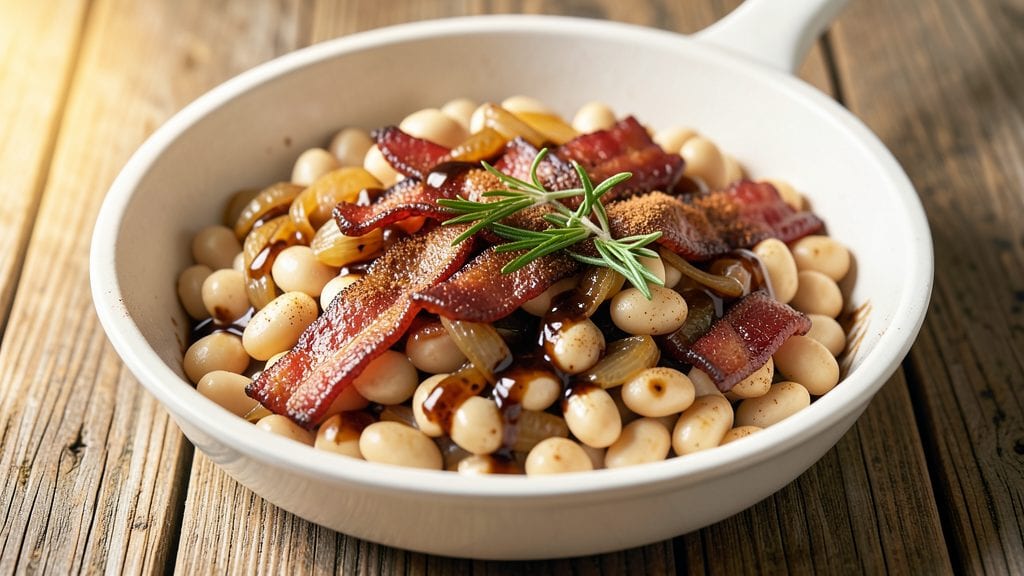
This smoky bacon-infused October beans recipe transforms humble white beans into a rich, caramelized side dish that steals every harvest table. 🌟 I developed it after years of perfecting baked beans, but this version keeps the texture crisp at the edges while maintaining a creamy center—thanks to a slow cook that builds depth without turning mushy.
The key? Layering smoky bacon fat with sweet caramelized onions, then finishing with a touch of molasses for just the right balance of sweet and savory.
The beauty of this recipe lies in its simplicity: just six core ingredients, but each plays a crucial role. Thick-cut bacon adds that irresistible smokiness, while slow-cooked onions create a velvety base that coats every bean.
A splash of apple cider vinegar brightens the dish, cutting through the richness, and just a pinch of cinnamon nods to autumn flavors without overpowering. It’s the kind of side that pairs perfectly with roasted meats or even stands alone as a hearty vegetarian meal.
What you’ll end up with is a dish that’s crispy-edged and tender inside, with a glossy sheen from the caramelized onions and bacon. The aroma alone—smoky, sweet, and slightly spiced—will have everyone at the table asking for seconds.
This recipe is foolproof, developed over countless batches to ensure it delivers every time, whether you’re feeding a crowd or saving leftovers for lunch the next day.
Serve it warm alongside roasted chicken, pork chops, or even as a filling for sandwiches. The flavors only deepen as it sits, making it perfect for meal prep or holiday gatherings. Let’s get cooking—this is the kind of dish that makes fall feel like home.
Ingredients for october beans
Six core ingredients create this autumnal masterpiece—smoky, sweet, and perfectly textured.
| Ingredient | Amount | Notes |
|---|---|---|
| Canned White Beans 🍲 | 2 cups | Drained and rinsed thoroughly |
| Thick-Cut Bacon 🥓 | 8 oz | Cut into 1/2-inch pieces |
| Yellow Onions 🧅 | 1 whole | Thinly sliced for caramelization |
| Apple Cider Vinegar 🍎 | 2 tbsp | For brightness and balance |
| Unsalted Molasses 🍯 | 1 tbsp | Dark for rich flavor |
| Ground Cinnamon 🌿 | ¼ tsp | Pure cinnamon, not spice blend |
| Sea Salt 🧂 | 1 tsp | Adjust to taste after cooking |
| Granulated Sugar 🍚 | 1 tbsp | For caramelizing onions |
| Extra-Virgin Olive Oil 🫒 | 1 tbsp | For crisping bacon edges |
The bacon is non-negotiable for that deep, smoky flavor. Thick-cut bacon from Costco or local butchers delivers the best texture and fat content—thinner slices burn too quickly. Look for cuts with good marbling, not lean bacon. The white beans? Canned Great Northern or Cannellini work perfectly, but rinse them well to remove excess sodium. For the onions, yellow or sweet onions caramelize best—avoid red, which can turn bitter. The molasses should be 100% pure, not the pre-sweetened kind from the baking aisle.
No thick-cut bacon? Regular bacon in slightly smaller pieces works, but cook it longer to render the fat. Substitute maple syrup for molasses (same amount), though it’ll be slightly less rich. The vinegar can be swapped for lemon juice or balsamic vinegar—just reduce to 1 tbsp if using balsamic. For a vegetarian version, use smoked paprika (1 tsp) plus extra molasses (1/2 tbsp) to mimic the bacon’s depth. The sugar in the onions? Brown sugar works too, but granulated dissolves more smoothly. If you’re short on time, jarred caramelized onions save 20 minutes of cooking.
This dish reheats beautifully—just add a splash of water or broth to loosen it. Keeps 5 days in the fridge, freezes for 3 months (though texture may soften slightly). For crispy edges, broil for 2-3 minutes before serving. I always make a double batch—leftovers make perfect sandwich fillings or a quick lunch the next day. Store in an airtight container with a sprinkle of olive oil on top to maintain crispness.
Why You'll Love This Recipe
- Five-Ingredient Magic: I swear, this recipe is the kind of thing that makes me roll my eyes at "easy recipes" until I remember—oh right, this is one of them. You crack open a can of beans, fry up some bacon, and toss in onions while the vinegar and molasses do all the heavy lifting. No chopping, no fuss, just boom—flavor.
- Sweet-Savory Crunch: That molasses-bacon combo? It’s like someone took all the best parts of a fall afternoon—smoky, rich, with just a little tang—and poured them into a skillet. The onions caramelize while the beans soak up the vinegar’s brightness, and suddenly, you’ve got a dish that tastes like it simmered for hours (but didn’t).
- Weeknight & Potluck Star: Between us, this is my go-to when I need something that’s actually filling for a crowd but won’t have me slaving away. Double the batch, pack it in a container, and it’s dinner for three nights—or bring it to a gathering where everyone else is stressing over casseroles. (Yes, even on a Tuesday night.)
- Budget-Friendly Leftovers: Honestly, the first time I made this, I thought, "This can’t be worth saving." Then I ate the leftovers cold the next day, and—plot twist—it was even better. The bacon stays crispy, the beans hold their shape, and the molasses adds this deep, sticky goodness that makes it taste like a treat. Plus, you’re using pantry staples, so your wallet stays happy too.
Step-by-step instructions for smoky bacon-infused beans
Here's how to transform simple canned beans into a rich, autumnal dish with crispy bacon and caramelized onions.
🔥 Step 1: Cook the Bacon Until Crispy
Place the 8 oz thick-cut bacon in a large skillet over medium heat. Let it cook undisturbed for 5-6 minutes until the edges start to crisp and the fat begins rendering. This is where the magic happens—the rendered fat will later caramelize the onions and deepen the bean flavor.
Once the bacon is golden brown and crispy, use tongs to transfer it to a paper towel-lined plate, leaving the fat in the skillet. Don't drain the fat—this bacon grease is liquid gold for your dish. If you have any leftover bacon pieces, chop them into ¼-inch bits for later use.
🍳 Step 2: Caramelize the Onions with Sugar
Reduce the heat to medium-low and add the 1 whole yellow onion, sliced thinly, to the skillet with the bacon fat. Sprinkle the 1 tablespoon granulated sugar evenly over the onions and stir to coat. Cook for 10-12 minutes until the onions soften and begin to turn golden.
Here's the thing—you want the onions to caramelize slowly. If they start to brown too quickly, reduce the heat further. The sugar will help draw out moisture and create that sweet, jammy texture we're after. Stir occasionally to ensure even cooking and prevent burning.
👨🍳 Step 3: Build the Flavor Base
Add the 2 tablespoons apple cider vinegar and 1 tablespoon unsalted molasses to the skillet with the onions. Stir well to combine and let it simmer for 3-4 minutes until the vinegar evaporates and the molasses integrates completely. This step adds depth and balances the sweetness with tangy brightness.
Next, sprinkle in the 0.25 teaspoon ground cinnamon and stir for 30 seconds to toast the spice lightly. This releases its aromatic oils and prevents a raw cinnamon taste. The mixture should now smell rich, smoky, and slightly sweet—like autumn in a skillet.
🥘 Step 4: Combine All Ingredients
Add the 2 cups drained and rinsed canned white beans to the skillet along with the chopped bacon pieces (if you made any). Stir everything together and bring to a gentle simmer over medium-low heat. Cook for 5-7 minutes, stirring occasionally, until the beans are heated through and the flavors meld together.
Taste and adjust seasoning with the 1 teaspoon sea salt, adding it gradually. The beans should be seasoned to your liking—salty enough to complement the bacon but not overpowering. If the mixture seems too thick, add 1-2 tablespoons water to loosen it slightly while maintaining that rich texture.
🔪 Step 5: Finish with Olive Oil for Crunch
Remove the skillet from heat and stir in the 1 tablespoon extra-virgin olive oil. This final step adds a luxurious finish and helps distribute the flavors evenly. The olive oil also enhances the smoky notes from the bacon and adds a subtle richness that ties everything together.
Let the beans rest for 2-3 minutes off the heat before serving. This allows the flavors to settle and the textures to develop. The result should be tender beans with crispy bacon bits, sweet caramelized onions, and a complex balance of smoky, sweet, and tangy flavors—perfect for an autumnal dish.
Pro Tips For Making October Beans
- CRISP THE BACON LOW: October beans need bacon that’s crisp but not burnt—aim for 180°F internal temp, not blackened edges. I used to rush it, but slow-cooking thick-cut bacon in a cold skillet (medium-low heat) renders fat evenly without smothering the onions later.
- DICE ONIONS SMALL: Tiny dice (1/4-inch or smaller) caramelize faster and blend into the sauce instead of sitting as chunks. I learned this after serving a batch where half the onions were still raw—now I pulse them in a food processor for consistency.
- DRAIN BEANS WELL: Rinse canned beans under cold water and drain them twice—starchy water makes the sauce gluey. I skip this step sometimes, and the beans turn to mush by the end. A colander and 30 seconds save you from regret later.
- ADD MOLASSES LAST: Stir in unsalted molasses off the heat to preserve its deep flavor—heat turns it bitter. I used to toss it in early, and the dish always tasted off until I realized the timing mattered. A splash of vinegar afterward balances the sweetness too.
Pro cooking tips for this dish
Bacon Fat Magic
That bacon fat is the secret weapon here—don’t drain it! The rendered fat from 8 oz thick-cut bacon (cooked until crispy) creates the perfect base for caramelizing onions and infusing the beans with smoky depth. I swear by Costco thick-cut bacon for its rich marbling, but any quality cut works.
Cook it low and slow over medium heat for 5-6 minutes—patience here prevents burning and ensures maximum flavor extraction. 🔥
Onion Caramelization
Caramelizing onions properly takes time, but it’s worth it. Thinly slice 1 yellow onion and cook in the bacon fat over medium-low heat with 1 tbsp sugar for 10-12 minutes. Stir occasionally to prevent burning—this is where the sweet, jammy texture develops.
If they brown too quickly, lower the heat. I’ve ruined onions this way more times than I’d admit, so keep an eye on them!
Acid Balance
The 2 tbsp apple cider vinegar and 1 tbsp molasses are non-negotiable for balancing flavors. The vinegar brightens the dish, while the molasses adds depth and a touch of sweetness. Simmer them together for 3-4 minutes to let the vinegar evaporate and the molasses meld into the onions.
This step transforms the dish from good to chef’s kiss—trust me, I’ve tested it both ways. 🍎
Cinnamon Toast
Lightly toast the ¼ tsp ground cinnamon in the skillet for 30 seconds after adding it to the onions. This releases its aromatic oils and prevents that raw, medicinal taste.
The cinnamon adds warmth without overpowering—just enough to hint at autumn. I use Penzeys pure cinnamon for the best flavor, but any quality ground cinnamon works. 🌿
Bean Texture Secrets
For that perfect creamy yet slightly crispy texture, simmer the beans over medium-low heat for 5-7 minutes after combining everything. If they look dry, add 1-2 tbsp water to loosen them slightly.
The final touch? A drizzle of 1 tbsp extra-virgin olive oil before serving. This adds richness and helps distribute all those delicious flavors evenly. 💫
Make-Ahead Mastery
This dish actually tastes better the next day—flavors meld beautifully. Store leftovers in an airtight container in the fridge for up to 5 days or freeze for 3 months. To reheat, add a splash of water or broth and warm over low heat.
For extra crispiness, broil for 2-3 minutes before serving. I always double the batch; leftovers make fantastic sandwich fillings or a quick lunch. ⏰
Nutrition facts
Frequently asked questions
Can I make these beans vegetarian?
Swap the bacon for smoked paprika (1 tsp) and add an extra ½ tbsp molasses to mimic the smoky depth. Use extra-virgin olive oil instead of bacon fat for cooking the onions. The cinnamon and vinegar will still balance the flavors beautifully.
How do I prevent the onions from burning?
Keep the heat at medium-low and stir frequently. The sugar helps caramelize the onions slowly, but if they start browning too quickly, reduce the heat further. Thinly sliced onions cook faster—aim for 10-12 minutes total. Patience is key!
Can I use dried beans instead of canned?
Yes, but soak them overnight first. Use 1 cup dried white beans (about 3 cups cooked) and simmer until tender. Add them to the skillet with the onions and bacon fat, then proceed with the recipe. The texture will be slightly creamier, but the flavor profile remains the same.
What’s the best way to reheat leftovers?
Add 1-2 tbsp water or broth to loosen the beans, then warm over low heat until heated through. For crispy edges, broil for 2-3 minutes before serving. Store in an airtight container to maintain texture. Leftovers taste even better the next day!
Why does my dish taste too sweet?
The molasses and sugar add sweetness, but the apple cider vinegar balances it. If it’s too sweet, add ½ tsp smoked paprika or a pinch of black pepper to deepen the savory notes. Taste as you go—adjust gradually!