
Side Dishes
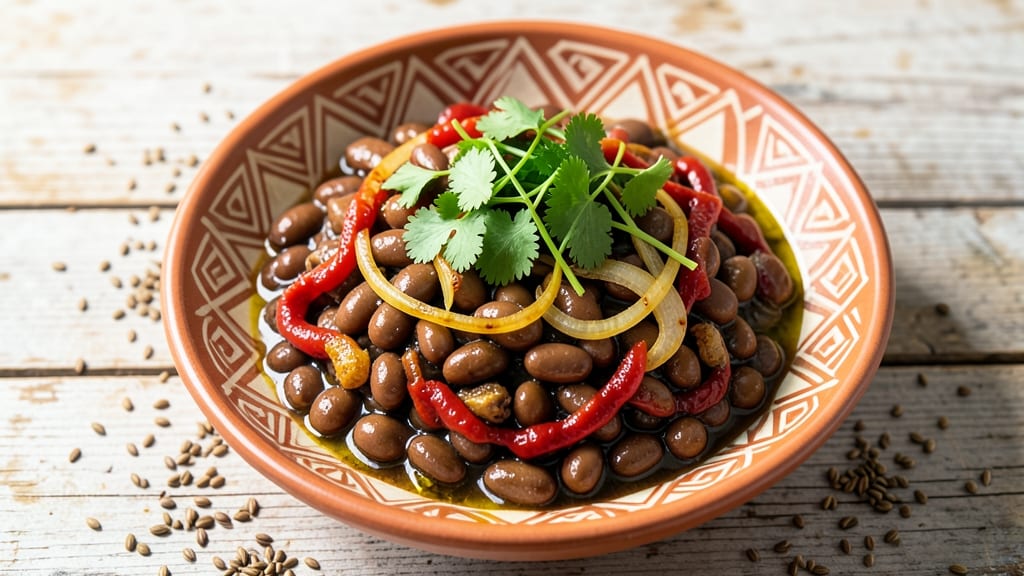
This Peru beans recipe transforms humble black beans into a creamy, velvety masterpiece where smoky cumin and vibrant aji amarillo create a flavor profile that feels like a warm embrace from Peru.
The secret lies in slow simmering the beans with aromatic spices until they break down into an almost mashed texture, then blending just enough to achieve that luxurious consistency without losing any of their natural heartiness.
I first discovered this version while traveling through Lima, where it was served as a side dish so rich it could stand alone.
The beauty of this recipe is its versatility—it works as a standalone side for grilled meats or as a hearty vegetarian main when paired with rice and avocado.
What sets it apart is the balance of flavors: earthy cumin, fruity aji amarillo, and a touch of garlic that builds layers of complexity. The beans develop a creamy yet still slightly textured consistency that melts in your mouth, making every bite satisfying.
Unlike many bean recipes, this one doesn't require soaking overnight, saving you precious time without sacrificing flavor.
By the time you're done, you'll have a pot of beans that's impossibly smooth yet still packed with substance, with a sauce so flavorful it coats every spoonful. The aroma alone—warm spices mingling with the natural earthiness of the beans—will have everyone at the table asking for seconds.
This is the kind of dish that feels both comforting and special, perfect for weeknight dinners or weekend gatherings where you want to impress without spending hours in the kitchen.
The best part? It reheats beautifully, making it ideal for meal prep. Once you try this version, store-bought canned beans will never taste the same again. Let's get cooking—your taste buds will thank you.
Ingredients for peru beans
Six aromatic ingredients transform dry beans into velvety bites of Peruvian comfort.
| Ingredient | Amount | Notes |
|---|---|---|
| Black Beans (Dry) 🌱 | 1 ½ lbs | Rinsed thoroughly before cooking |
| Aji Amarillo Paste 🌶️ | 2 tbsp | Or substitute 1 tbsp yellow chili powder |
| Ground Cumin 🌿 | 1 ½ tbsp | Toasted for deeper aroma |
| Garlic Cloves 🧄 | 6 cloves | Peeled and lightly crushed |
| Onion (Yellow) 🧅 | 1 whole | Diced, medium size |
| Extra-Virgin Olive Oil 🫒 | ¼ cup | For sautéing aromatics |
| Bay Leaves 🍃 | 2 whole | Fresh preferred |
| Vegetable Broth 💧 | 4 cups | Low-sodium preferred |
| Lime Juice 🍋 | 2 tbsp | Freshly squeezed |
| Salt 🧂 | 1 ½ tsp | Adjust to taste |
| Black Pepper 🌶️ | ½ tsp | Freshly ground |
| Cumin Seeds (Optional) 🌿 | ½ tsp | For extra texture and aroma |
| Fresh Cilantro 🌿 | ¼ cup | Chopped, for garnish |
The beans are the star, but don't skimp on the aji amarillo. You can find it at Latin markets or online—it's that vibrant yellow paste that gives this dish its signature fruity heat. If you're in a pinch, a mix of yellow chili powder and a splash of mango nectar works (trust me, it's a game-changer). For the cumin, toast the whole seeds first in a dry pan for 30 seconds—they'll smell like heaven. I always grab mine from the bulk section at Whole Foods or Trader Joe's; they keep better that way. The garlic and onion are your base, so don't rush chopping them—smaller pieces mean more flavor. And for the olive oil, Californian or Spanish varieties have that fruity punch you want here.
No aji amarillo? Mango chutney plus smoked paprika is a decent stand-in, though it won't be identical. The cumin seeds can be skipped if you're using ground cumin, but I'd still toast the ground version first—it makes a huge difference. Fresh bay leaves are ideal, but dried work at half the amount. The vegetable broth? Low-sodium is key—you don't want to dilute the flavors. If you're making this ahead, freeze the cooked beans (before blending) for up to 3 months. The lime juice can be added fresh when serving, or you can squeeze it in at the end—either way, it brightens everything up. And if you're feeling fancy, swap half the black beans for pinto beans—they add a nice earthy contrast.
This reheats like a dream—just add a splash of water or broth to loosen it up. Keeps in the fridge for 5 days, and honestly tastes even better the next day as all the flavors meld. I like to portion mine into containers with a little extra broth at the bottom so it doesn't dry out. The cilantro is optional but adds that fresh finish—if you're serving it immediately, toss some on top. For meal prep, double the batch and freeze half; it's perfect for busy weeknights. And if you're serving it with rice, jasmine or basmati pairs beautifully with the smoky cumin notes.
Why You'll Love This Recipe
- Foolproof Soak: I just toss the dry black beans in water overnight—no fancy pre-soaking tricks. By morning, they’re ready to simmer into something rich, and honestly? That one step saves me from watching a pot for hours.
- Umami Bomb: That aji amarillo paste—it’s the secret. Smoky, citrusy, and just a spoonful transforms simple beans into something vibrant. The cumin and garlic? They’re the perfect backup singers to the flavor show.
- Meal Prep MVP: Make a big batch on Sunday, and you’ve got tacos, bowls, or rice toppings covered all week. My freezer’s full of these because reheating them is just as good as day one—no texture letdowns.
- Budget Magic: Dry beans stretch my grocery budget further than anything. A pound of them feeds my family for days, and the spices? A tiny jar of aji amarillo lasts forever. This is the kind of recipe that makes me proud of my wallet.
Step-by-step instructions for creamy cumin and aji amarillo velvety bites
Here's how to transform simple black beans into a rich, velvety masterpiece with bold Peruvian flavors.
Soak and Prepare the Black Beans
Begin by rinsing the 1.5 pounds of dry black beans thoroughly under cold water to remove any debris. Place them in a large bowl and cover with plenty of fresh water—about 6-8 cups—then let them soak overnight. This overnight soak ensures even cooking and prevents the beans from becoming tough or splitting during cooking.
After soaking, drain the beans and give them another quick rinse. Transfer them to a 6-quart pot and cover with 8 cups of fresh water. Bring to a gentle boil over medium-high heat, then immediately reduce to a simmer. Cook uncovered for 45-60 minutes, skimming off any foam that rises to the surface. You'll know they're ready when they're tender but still hold their shape—not mushy. Drain and set aside, reserving 1 cup of the cooking liquid for later.
Build the Flavor Base with Aromatics
In a large, heavy-bottomed pot, heat the ¼ cup of extra-virgin olive oil over medium heat. Add the 6 peeled and lightly crushed garlic cloves and the 1 diced yellow onion, cooking until the onion softens and turns translucent—about 5-7 minutes. This step develops the foundational flavors that will carry through your dish.
Once the onions are tender, stir in the 2 tablespoons of aji amarillo paste and the 1.5 tablespoons of toasted ground cumin. Cook for 1-2 minutes until fragrant—you should smell that warm, earthy cumin and a hint of smoky sweetness from the aji amarillo. If using, add the ½ teaspoon of cumin seeds now and toast them for 30 seconds until they sizzle and release their aroma. This is where the magic begins.
Simmer the Beans in Spiced Broth
Add the drained black beans to the pot along with the 4 cups of vegetable broth, the 2 whole bay leaves, 1.5 teaspoons of salt, and ½ teaspoon of freshly ground black pepper. Stir gently to combine, then bring the mixture to a simmer over medium-low heat. Cover partially and let it cook for 30-40 minutes, stirring occasionally to prevent sticking.
After 30 minutes, taste the beans and adjust the seasoning if needed. If the mixture looks too thick, add ¼ cup of the reserved bean cooking liquid at a time until it reaches a creamy, velvety consistency. The beans should be fully tender, and the sauce should coat the back of a spoon. This is the moment you've been waiting for—the rich, earthy flavors melding into a luscious texture.
Finish with Bright Lime and Fresh Cilantro
Once the beans are perfectly tender and creamy, remove the pot from heat. Stir in the 2 tablespoons of freshly squeezed lime juice and the ¼ cup of chopped fresh cilantro. The lime juice brightens the dish, cutting through the richness of the cumin and aji amarillo, while the cilantro adds a fresh, herbaceous finish. Taste again and adjust the seasoning—you might need a touch more salt or lime to balance the flavors.
Let the beans sit off the heat for 5-10 minutes to allow the flavors to meld even further. Serve warm, garnished with an extra sprinkle of cilantro if desired. This dish is best enjoyed immediately, while the beans are still warm and the flavors are at their peak. Pair it with warm tortillas, grilled corn, or over a bed of rice for a complete meal.
Pro Tips For Making Peru Beans
- Soak Beans Overnight: I learned this the hard way—skipping the soak means beans that stay stubbornly firm no matter how long you simmer. Toss them in water (3x their volume) with a pinch of salt, cover, and let them sit 8+ hours. The next day, they’ll break down like butter, not concrete.
- Bloom the Cumin: Toss that ground cumin into the pot before adding onions—let it sizzle for 30 seconds until it smells like a Peruvian market. This stops it from tasting raw and dull. (Yes, even if you’re impatient like me.)
- Sauté Onions Slow: Onions should caramelize, not burn. Keep the heat medium-low and stir every 2 minutes until they’re soft and golden—about 10 minutes. Rushed onions mean bitter beans. Trust me, it’s worth the wait.
- Simmer, Don’t Boil: Once the beans hit the pot, keep the heat low enough that tiny bubbles just pop at the edges. Boiling turns them mushy and splits the skins. A gentle simmer (20-25 minutes after boiling starts) keeps them tender but intact—just like you want.
Essential equipment for this dish
Heavy-Bottomed Pot
Your beans need a pot with substance—a 6-quart Dutch oven or heavy-bottomed stockpot is ideal. I use my Le Creuset Signature Dutch oven because it distributes heat evenly and prevents scorching.
If you don’t have one, a Calphalon stainless steel pot works beautifully. Avoid thin aluminum pots—they heat unevenly and can burn your aromatics. 🔥
Immersion Blender
For that signature creamy texture, you’ll want to blend the beans directly in the pot. A Ninja BN601 immersion blender is my go-to—it handles thick bean mixtures effortlessly.
If you prefer a handheld option, the Hamilton Beach Multi-Speed is budget-friendly and effective. Just pulse in 10-second bursts to achieve a velvety consistency without overprocessing. ✨
Fine-Mesh Strainer
A stainless steel fine-mesh strainer is essential for rinsing beans thoroughly before soaking. I recommend the OXO Good Grips strainer—it’s durable and rinses easily. Skipping this step can leave debris in your beans, affecting texture. Use it again after cooking to reserve flavorful cooking liquid for adjusting consistency later. 🌱
Wooden Spoon
Wooden spoons are your best friend when stirring beans—they won’t scratch your pot like metal utensils. A Oxo Good Grips Wooden Spoon is my favorite for its ergonomic handle and sturdy build. Stir gently to avoid breaking the beans prematurely, especially during the simmering phase. 🥄
Microplane for Aromatics
For garlic and lime zest (if you choose to add it), a Microplane creates fine, flavorful particles that dissolve seamlessly into the beans. I use the OXO Good Grips Microplane—it’s gentle on hands and produces consistent results.
This small tool elevates the dish by maximizing surface area for flavor infusion. 🧄
Instant-Read Thermometer
While not mandatory, an instant-read thermometer like the Thermoworks ThermoPop ensures your beans reach the perfect tenderness. Aim for an internal temp of 205°F—this guarantees they’re fully cooked but still hold their shape. It’s especially useful if you’re short on time or new to bean cooking. 🌡️
Nutrition facts
Frequently asked questions
Why does this recipe call for soaking beans overnight?
Soaking overnight reduces cooking time by up to 30 minutes and prevents tough, uneven texture. The beans absorb water, softening their skins so they cook evenly and stay intact during simmering. For a quick version, use a 3-hour quick-soak with boiling water, but overnight yields the best results.
Can I substitute aji amarillo paste?
Yes! For aji amarillo, try a mix of 1 tbsp yellow chili powder + ½ tsp mango nectar or 1 tbsp adobo sauce + ½ tsp honey. The paste gives a fruity heat—substitutes will be smokier but still delicious. If using adobo, reduce salt in the recipe by ½ tsp since it's salty.
How do I make these beans extra creamy without blending?
Simmer the beans 10-15 minutes longer until they start breaking down naturally. Mash ¼ of the beans with a potato masher first, then stir back into the pot. Add ¼ cup reserved cooking liquid to loosen. The result is a rustic, chunky creaminess without a blender.
What's the best way to reheat these beans?
Add 2-3 tbsp water or broth per cup of beans and simmer on low heat for 5-7 minutes. Never microwave—they'll get rubbery. For meal prep, freeze portions in airtight containers with extra broth at the bottom. Thaw overnight in the fridge before reheating.
Can I make this recipe with canned beans?
Use 3 (15 oz) cans of black beans, drained and rinsed. Skip soaking and reduce simmering time to 20 minutes. Add ½ cup extra broth since canned beans have less moisture. The texture will be slightly firmer but still delicious.