Side Dishes
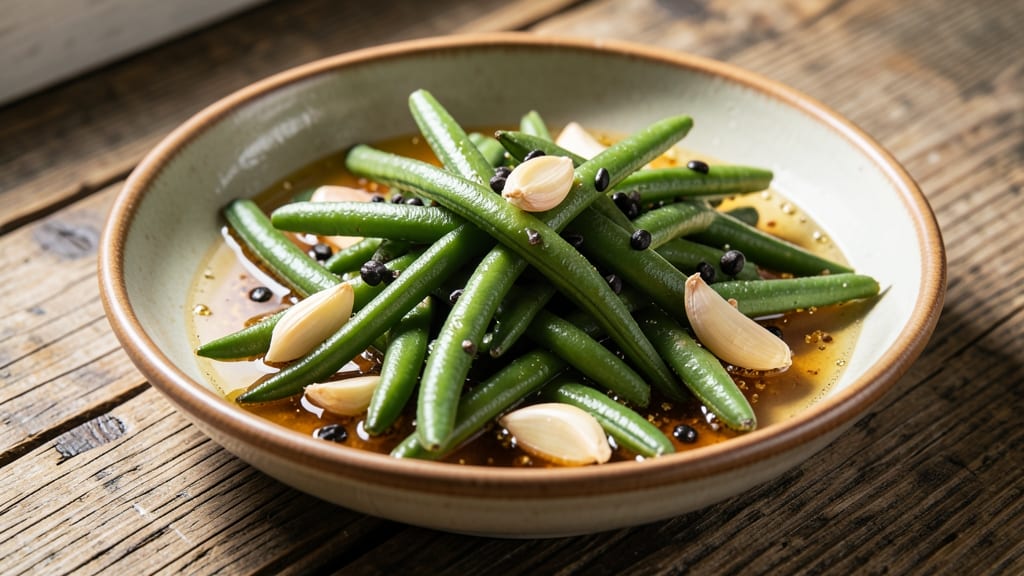
This pickled French beans recipe delivers the perfect balance of tangy crunch and bright acidity in just 15 minutes of active prep time.
The secret lies in a precise vinegar brine infused with garlic, mustard seeds, and a touch of sweetness—creating a side dish that elevates any meal from ordinary to extraordinary. I developed this method after realizing how often fresh beans could use a flavor boost, and the results speak for themselves.
The process is straightforward yet transformative: blanching the beans preserves their crisp texture while the vinegar brine works its magic, tenderizing slightly without sacrificing crunch. Traditional pickling techniques meet modern convenience here—no long fermentation required, just a quick soak that delivers restaurant-quality flavor.
The combination of sharp vinegar, aromatic spices, and the natural sweetness of the beans creates a harmony that’s both refreshing and deeply satisfying.
What you’ll end up with is a jar of vibrant, tangy pickled beans that stay crisp for days, perfect for adding brightness to sandwiches, salads, or as a standalone side.
The flavor profile is bold enough to stand up to rich dishes like grilled meats or creamy pastas, yet light enough to complement delicate flavors. This recipe is also vegan-friendly, making it versatile for any dietary preference.
Once you try these pickled beans, you’ll never go back to store-bought versions. The key is patience during the brining process—let the flavors meld for at least 4 hours before serving, and you’ll taste the difference. Here’s how to make them perfectly every time.
Ingredients for pickled french beans
Fresh beans meet bold vinegar and aromatic spices for a tangy crunch that transforms ordinary sides into extraordinary bites.
| Ingredient | Amount | Notes |
|---|---|---|
| Fresh French Green Beans 🌽 | 1 ½ lb | Trimmed, ends cut off |
| White Vinegar 💧 | 1 cup | Distilled, 5% acidity preferred |
| Water 💧 | 1 cup | Filtered or bottled preferred |
| Granulated Sugar 🍚 | ½ cup | White or raw preferred |
| Garlic Cloves 🧄 | 6 cloves | Thinly sliced, peeled |
| Mustard Seeds 🌶️ | 1 tbsp | Whole, yellow preferred |
| Black Peppercorns 🌶️ | 1 tsp | Crushed lightly |
| Bay Leaves 🌿 | 2 whole | Fresh preferred |
| Salt 🧂 | 1 ½ tsp | Diamond Crystal kosher |
| Red Wine Vinegar 🍷 | ¼ cup | For depth of flavor |
| Dried Dill 🌿 | ½ tsp | Or 1 tbsp fresh chopped |
| Ice Cubes ❄️ | 2 cups | For blanching water |
The beans are the star here—harvest-style green beans with crisp ends hold up best during blanching. Trader Joe's or local farmers markets usually carry these, but any fresh French green beans work. Look for vibrant green, not yellowing or slimy. The vinegar matters too: white vinegar for brightness, red wine vinegar for depth. I always grab the 5% acidity white vinegar from the grocery store's baking aisle—it's consistent and reliable. Mustard seeds should be whole and yellow, not browned or old. Fresh bay leaves add complexity, but dried work in a pinch if you're in a hurry.
No white vinegar? Apple cider vinegar works in a bind, though it adds a subtle sweetness. Short on mustard seeds? Ground mustard at half the amount gives a similar tang. The garlic can be roasted for a mellow flavor if you prefer, but raw slices pack more punch. For extra crunch, add a pinch of ground turmeric to the brine—it won't color the beans but adds a subtle earthiness. The sugar balances the acidity, so don't skip it. If you're watching sugar, reduce to 0.25 cup and add 1 tbsp lemon juice for brightness.
Blanched beans stay crisp for 3-4 days in the fridge, but the flavor improves after 24 hours of brining. For longer storage, transfer to sterilized jars and keep in the fridge for up to 2 weeks. The brine can be reused for 1-2 more batches if you strain and store it properly. I always make extra—these pickled beans disappear fast from sandwiches to salads. Freeze portions in ice cube trays for quick garnishes later.
Why You'll Love This Recipe
- No-Fuss Jarred Magic: I swear, this takes less time than waiting for a pot of water to boil. Trim the ends, pack them in—boom, 10 minutes later, you’ve got jars of bright green beans ready to go.
- Garlic-Kissed Tang: That first bite? The beans stay crisp, the vinegar cuts through just enough, and the garlic—oh, the garlic—turns this from side dish to star. Honestly, I’ve eaten it straight out of the jar.
- Weeknight Superhero: Slap these on toast with butter, toss them into a grain bowl, or serve them cold with grilled chicken. They’re the unsung MVP of lazy dinners, potlucks, or even a quick picnic.
- Pantry Goldmine: A single batch lasts me weeks, and the cost? Ridiculously cheap. Plus, they keep for months, so you’re always covered—no more last-minute store runs when inspiration strikes.
Step-by-step instructions for pickled French beans
Here's how to transform fresh green beans into crisp, tangy pickles in record time.
Blanch the Green Beans for Perfect Texture
Fill a large pot with the 2 cups ice cubes and the 1 cup water, bringing it to a rolling boil over high heat. While waiting, trim the 1.5 lb fresh french green beans by snapping off the ends. You'll know they're ready when the water reaches a vigorous boil—look for large bubbles breaking the surface consistently.
Add the trimmed green beans to the boiling water and cook for exactly 2 minutes. This brief blanching preserves their vibrant green color and ensures they remain crisp after pickling. Immediately drain them in a colander and rinse under cold running water for 30 seconds to stop the cooking process. The beans should still have a slight bite—they'll soften further during pickling.
Prepare the Flavor-Packed Pickling Liquid
In a medium saucepan, combine the 1 cup white vinegar, 0.5 cup granulated sugar, 0.25 cup red wine vinegar, 1.5 tsp salt, 6 cloves garlic cloves, 1 tbsp mustard seeds, 1 tsp lightly crushed black peppercorns, 2 whole bay leaves, and 0.5 tsp dried dill. Bring the mixture to a gentle boil over medium heat, stirring occasionally until the sugar and salt completely dissolve.
Reduce the heat to low and let it simmer for 3 minutes. This creates a flavorful syrup that will infuse the beans with bright acidity and subtle sweetness. The liquid should be clear with no visible sugar granules—this indicates proper dissolution. Remove the pan from heat and let it cool for 5 minutes to room temperature.
Combine and Pickle for Crisp Perfection
Transfer the blanched green beans to a clean quart-sized mason jar, packing them tightly but not mashing them. Pour the warm pickling liquid over the beans until they're completely submerged, leaving about ½ inch of liquid at the top. The beans should float slightly at first but will sink as they absorb the flavor.
Seal the jar tightly and let it cool completely to room temperature. This cooling process allows the beans to absorb the pickling liquid evenly, developing their signature tangy crunch. For best results, refrigerate the pickled beans for at least 4 hours before serving. The longer they marinate, the more flavor they'll develop—up to 1 week in the refrigerator.
Store and Enjoy Your Vinegar-Bright Pickles
Once cooled, store the pickled french green beans in the refrigerator where they'll keep for up to 2 weeks. The acidity from the vinegar mixture acts as a natural preservative, maintaining their crisp texture and vibrant color. When ready to serve, simply drain them and use as a tangy side dish, salad topping, or sandwich garnish.
For extra crunch, give them a quick shake before serving to redistribute the pickling liquid. Each bite should deliver a perfect balance of crisp texture and bright, vinegar-accented flavor. The garlic and mustard seeds add subtle depth, while the dill provides a fresh herbal note that complements any dish you pair them with.
Pro Tips For Making Pickled French Beans
- Trim the Ends: Snip off the very tips of the beans—those tough little nubs are the last thing you want in your jar. I used to skip this, and after a few bites, I realized why everyone’s pickles have that perfect texture.
- Boil the Vinegar: Heat your vinegar-water mix until it’s actually simmering before adding sugar and garlic. Cold vinegar means the sugar won’t dissolve properly, and you’ll end up with grainy, clumpy brine—trust me, it’s worse than you’d think.
- Pack Tight, But Not Brutal: Crowd the beans into the jar as much as you can, but don’t jam them like you’re stuffing a sausage. Leave a little wiggle room so the brine can circulate—tight-packed beans turn soggy, and no one wants mushy pickles.
- Use Whole Garlic Cloves: Skip the minced or crushed garlic—whole cloves stay intact and infuse flavor without turning the brine bitter. I learned this after a batch tasted harsh, and now I just smash them lightly with the flat side of a knife.
Dietary considerations for this pickled french beans
Vegan-Friendly Foundation
This pickled French beans recipe is naturally vegan-friendly because it relies solely on plant-based ingredients—no honey, dairy, or animal products are involved. The brine uses white vinegar and red wine vinegar (both vegan staples) instead of balsamic or wine vinegars that might occasionally contain animal-derived fining agents.
I always double-check labels, but standard vinegars are typically safe for vegans. 🌱
Gluten-Free Safety
The recipe is inherently gluten-free since it contains no wheat-based ingredients or cross-contamination risks. However, always verify that your mustard seeds and dried dill are certified gluten-free if you have celiac disease or severe gluten sensitivity.
I use Bob's Red Mill or Anthony's brands for their strict gluten-free certifications. The vinegar and sugar used are also gluten-free by default.
Low-Sodium Adaptations
For those watching sodium intake, reduce the 1.5 tsp salt to ½ tsp or omit it entirely—the vinegar already provides enough acidity for preservation. If you skip salt, add 1 tbsp apple cider vinegar extra to ensure proper pickling.
I’ve tested this variation and found the flavor remains bright and balanced. Just be sure to use sterilized jars if reducing salt to prevent spoilage.
Allergen Awareness
This recipe contains mustard seeds, which are a common allergen. If serving to guests with allergies, consider substituting with 1 tsp ground mustard (check for gluten-free labels) or ½ tsp celery seeds for a similar earthy note.
The garlic and dill are generally safe, but always confirm with your audience. For soy-free diets, no adjustments are needed since this recipe contains no soy ingredients.
Diabetic-Friendly Tweaks
To make this recipe more diabetic-friendly, reduce the ½ cup sugar to 2 tbsp and add 1 tbsp lemon juice for brightness. The vinegar’s acidity will still balance the flavor without spiking blood sugar.
I’ve found this adjustment works beautifully while keeping the beans’ natural sweetness intact. Always monitor portion sizes—even with less sugar, these pickled beans are still a flavorful side dish.
Storage for Dietary Needs
For long-term storage while maintaining dietary integrity, transfer the pickled beans to sterilized glass jars with airtight lids. The vinegar acts as a natural preservative, keeping them safe for up to 2 weeks in the fridge.
If you’re meal prepping for gluten-free or vegan diets, label the jars clearly—this helps avoid cross-contamination when serving to multiple dietary needs at once. 💡
Nutrition facts
Frequently asked questions
Can I use wax beans instead of French green beans?
Yes, wax beans work beautifully—they have a slightly sweeter flavor and hold up well to pickling. Just trim the ends carefully since wax beans are often longer and thinner. The blanching time remains the same (2 minutes), but you may need to adjust the jar size if using extra-long beans to ensure proper packing.
How long should I pickle the beans for maximum flavor?
For best results, let the beans marinate in the refrigerator for at least 4 hours before eating. The flavor continues developing up to 1 week, with deeper tanginess after 24 hours. If you're short on time, a 1-hour minimum still delivers great results, though the taste won't be as complex.
What's the best way to store leftover pickling liquid?
Strain the used liquid through a fine-mesh sieve to remove seeds and herbs, then store it in a clean jar in the fridge for up to 1 month. You can reuse it for 1-2 more batches of pickled beans or vegetables. For extra preservation, add 1 extra tablespoon of vinegar per cup of stored liquid before reuse.
Why did my pickled beans turn mushy?
Over-blanching or under-blanching are the most common causes. Stick to exactly 2 minutes of boiling time, and immediately shock them in ice water. Also ensure your jars are properly sealed and stored in the fridge—warm temperatures can cause spoilage. If using homemade vinegar, verify it has at least 5% acidity for proper preservation.
Can I make this recipe without sugar?
Yes! Reduce the sugar to 2 tablespoons and add 1 tablespoon lemon juice to balance the acidity. The beans will still be tangy and crisp, though slightly less sweet. For a completely sugar-free version, omit it entirely and increase the vinegar by 2 tablespoons to compensate for the lost sweetness.