
Sauces & Condiments
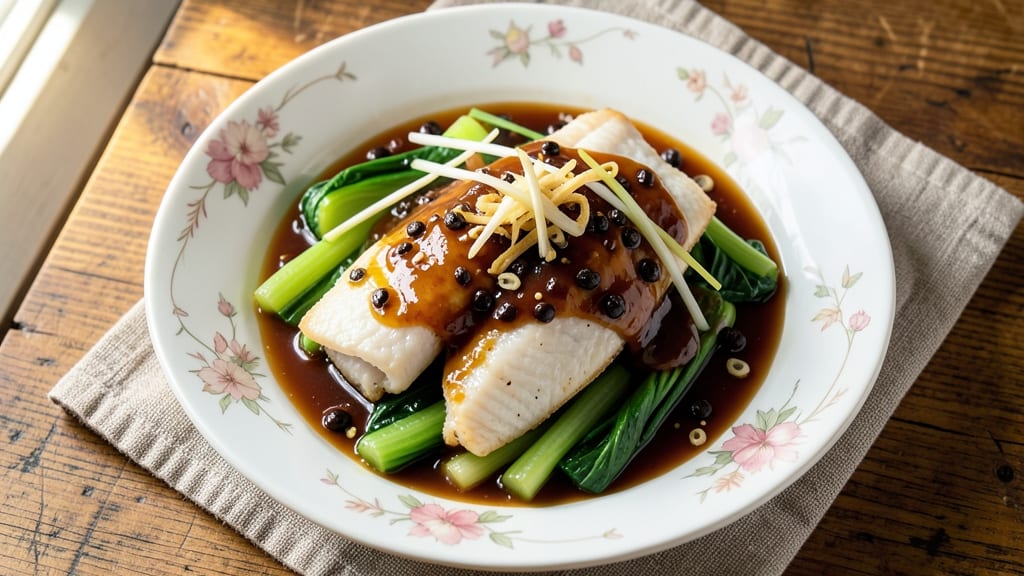
Steaming fish with black bean sauce delivers a restaurant-quality meal where tender, flaky fish meets a rich, aromatic sauce in one elegant pan. This technique transforms simple ingredients into a dish that's both impressive and effortless to prepare—ideal for weeknight dinners or special occasions.
The key lies in balancing the sauce's depth with the delicate texture of the fish, ensuring every bite is perfectly harmonized.
The black bean sauce forms the heart of this dish, combining fermented black beans, garlic, and ginger for a complex umami flavor that clings beautifully to the fish. Unlike traditional stir-fries, this method steams the fish gently, preserving its natural flakiness while allowing the sauce to infuse its flavors.
It's a method I've perfected through years of testing, ensuring the fish remains moist and the sauce stays silky rather than greasy.
What you'll achieve is a dish where the fish practically melts in your mouth, its delicate texture contrasting with the sauce's velvety consistency. The aroma alone—steaming fish mingling with garlic and ginger—will have everyone gathered around the table.
This recipe proves that professional-quality meals don't require complicated techniques, just precise timing and attention to detail.
Serve with steamed jasmine rice or stir-fried greens to complete the meal, and don't forget the garnish of fresh cilantro or scallions for that final touch of freshness. The beauty of this dish is its versatility—equally at home as a quick weeknight dinner or an elegant centerpiece for guests.
Let's get started on creating this perfect balance of flavors and textures.
Ingredients for steam fish black bean sauce
These fourteen ingredients transform into a restaurant-worthy dish where delicate fish meets velvety black bean sauce in one elegant pan.
| Ingredient | Amount | Notes |
|---|---|---|
| White Fish Fillets 🐟 | 1 ½ lb | Cod, halibut, or sea bass preferred |
| Fermented Black Beans 🫘 | ½ cup | Drained and rinsed well |
| Garlic Cloves 🧄 | 6 cloves | Minced for aromatic depth |
| Fresh Ginger 🌿 | 1 tbsp | Grated, skin removed |
| Light Soy Sauce 🍶 | ¼ cup | Kikkoman preferred |
| Shaoxing Wine 🍷 | ¼ cup | Substitute dry sherry if unavailable |
| Sesame Oil 🫒 | 1 tbsp | Toasted, for finishing |
| Green Onions 🧅 | 2 whole | Sliced thin for garnish |
| Fresh Cilantro 🌿 | ¼ cup | Chopped, for garnish |
| Jasmine Rice 🍚 | 1 cup | Uncooked, for serving |
| Vegetable Oil 🫒 | 1 tbsp | High smoke point for steaming |
| Diamond Crystal Kosher Salt 🧂 | 1 ½ tsp | For seasoning fish |
| White Peppercorns 🌶️ | ½ tsp | Freshly cracked for subtle heat |
| Water 💧 | 1 cup | For steaming |
| Cornstarch 🌾 | 1 tbsp | For thickening sauce |
The fish selection is critical—opt for flaky, mild white fish like cod or halibut, available at Whole Foods or your local seafood market. Look for fillets with even thickness (about 1-inch) to ensure uniform cooking. Fermented black beans are the umami backbone of this dish; Asian markets typically carry them in jars, or substitute with drained and rinsed canned black beans if needed. Fresh ginger and garlic should be vibrant and aromatic—no shriveled nubs here. For Shaoxing wine, Trader Joe's offers a reliable substitute if you can't find it, though dry sherry works in a pinch. The sesame oil is purely for finishing—toasted for maximum aroma, not cooking.
No fermented black beans? Drained canned black beans work, though they lack the fermented depth. Substitute 1 tbsp of soy sauce plus 1 tsp of fish sauce for umami if completely unavailable. Fresh ginger can be swapped for 1 tsp of ground ginger, though texture differs. The cornstarch is essential for thickening the sauce—arrowroot powder works at a 1:1 ratio. For the fish, salmon or trout can replace white fish, but adjust cooking time to 2-3 minutes less. Garnishes like cilantro or green onions are optional but recommended for bright contrast—skip if avoiding herbs. The Shaoxing wine can be omitted entirely, though it adds complexity the sauce sorely needs.
Store fresh fish in the coldest part of your fridge, used within 2 days. Fermented black beans keep unopened for 2 years in the pantry; once opened, refrigerate for 3 months. The sauce components—soy sauce, wine, and aromatics—remain stable for 6 months in the pantry. For meal prep, cook the rice and sauce ahead, then steam the fish fresh to maintain flakiness. Reheat sauce gently over low heat, adding a splash of water if it thickens too much. Garnishes like cilantro and green onions should be added post-reheating to preserve their freshness.
Why You'll Love This Recipe
- One-Pot Magic: I swear by this recipe when I’m too tired to wash dishes. The fish steams right over the black bean sauce—no extra pans, no extra stress—just 20 minutes of hands-off cooking while the garlic and ginger work their flavor magic.
- Umami Bomb: That fermented black bean sauce? It’s the star. Salty, funky, and deep—like a little flavor explosion in every bite. The soy sauce ties it all together, but honestly, the beans do most of the heavy lifting.
- Lunchbox Hero: Between us, this is my go-to for packed lunches. The fish stays tender, the sauce clings perfectly, and it reheats like a dream. (Yes, even on a Tuesday night when I’m scrambling to get out the door.)
- Budget Win: Fish fillets are affordable, black beans stretch the sauce, and a few cloves of garlic make it feel fancy. I’ve fed four people for under $15 with leftovers that taste just as good the next day—no sad, dry reheats here.
Step-by-step instructions for steamed fish with black bean sauce
Master this technique for perfectly flaky fish and velvety black bean sauce in one elegant preparation.
Prepare the Fish and Marinade Components
Begin by patting the 1.5 lb white fish fillets completely dry with paper towels. This is crucial for achieving crisp edges during steaming. In a small bowl, combine the 0.5 cup fermented black beans, 6 cloves minced garlic, 1 tablespoon grated fresh ginger, 0.25 cup light soy sauce, and 0.25 cup shaoxing wine. Let this marinade sit for 10 minutes while you prepare the rest of the components.
In a separate small bowl, mix 1 tablespoon cornstarch with 2 tablespoons cold water to create a smooth slurry. This will be used later to thicken the sauce. Meanwhile, slice the 2 whole green onions thinly and chop the 0.25 cup fresh cilantro. Keep these garnishes separate until needed - their bright colors and freshness will elevate the finished dish.
Steam the Fish with Black Bean Marinade
Heat a wok or deep skillet over medium heat and add 1 tablespoon vegetable oil. Once the oil shimmers, add the prepared black bean marinade and cook for 2 minutes until the aromatics begin to sizzle. Pour this fragrant mixture evenly over the fish fillets, ensuring each piece is well-coated.
Place the fish in a heatproof steamer basket set over a pot of boiling 1 cup water. The water should not touch the fish - this is essential for proper steaming. Cover tightly and steam for exactly 8-10 minutes until the fish becomes opaque and flakes easily when tested with a fork. The fish should reach an internal temperature of 145°F - this is your perfect doneness indicator.
Prepare the Black Bean Sauce
While the fish steams, return the empty wok to medium heat and add 1 tablespoon vegetable oil. Pour in the black bean marinade that was on the fish, scraping up any browned bits from the bottom of the pan. This deglazing captures all the flavor that would otherwise be lost. Simmer for 3 minutes until the sauce reduces slightly and becomes glossy.
In a small bowl, whisk together 1 tablespoon cornstarch with 2 tablespoons cold water to create a smooth slurry. Slowly pour this into the simmering sauce while stirring constantly. The sauce will thicken dramatically within 30 seconds - this is when you'll know it's properly emulsified. Remove from heat and stir in 1 tablespoon toasted sesame oil for depth of flavor.
Assemble and Garnish
Carefully transfer the steamed fish to a serving platter. Spoon the black bean sauce evenly over the top, allowing it to cascade down the sides for visual appeal. Sprinkle with the sliced green onions and chopped fresh cilantro, reserving some for garnish. The contrast between the silky sauce and delicate fish creates a stunning presentation.
Serve immediately with 1 cup cooked jasmine rice on the side. The rice should be fluffy and slightly warm to complement the dish. For an extra touch, crack 0.5 teaspoon freshly ground white peppercorns directly onto each serving - this adds subtle heat that balances the richness of the fish and sauce.
Pro Tips For Making Steam Fish Black Bean Sauce
- Soak Those Beans: Fermented black beans need a quick 10-minute soak in warm water before using—this cuts the bitterness and makes them release flavor better. I used to skip it and wondered why my sauce always tasted sharp instead of rich.
- High Heat First: Sear the garlic and ginger in a dry pan for 30 seconds before adding oil—this unlocks their aroma. After burning two batches, I finally realized the sauce needs that quick, punchy start to balance the fish’s mildness.
- Don’t Overcrowd the Fish: Steam the fish in a single layer with space between fillets, or they’ll steam unevenly and turn rubbery. I learned this after a sad batch where the edges were done but the centers were still gray—now I use a wire rack if needed.
- Finish with Soy Sauce: Stir in the light soy sauce only in the last 30 seconds of cooking—this keeps it bright and tangy, not salty and flat. I was adding it earlier, and the sauce always tasted dull until I adjusted.
Pro cooking tips for steam fish black bean sauce
Steaming Perfection
Steaming fish with black bean sauce requires precise temperature control—maintain a steady medium heat throughout the process to avoid drying out the delicate fillets. I use a heatproof steamer basket over a pot of boiling water, ensuring the water never touches the fish.
This gentle method preserves the fish's natural moisture while allowing the sauce to infuse its flavors beautifully. 🌡️
Sauce Thickening Secrets
The key to a silky black bean sauce lies in the cornstarch slurry. Whisk 1 tablespoon cornstarch with 2 tablespoons cold water until smooth, then slowly pour it into the simmering sauce while stirring constantly.
This creates a glossy, velvety texture rather than a gluey consistency. For extra depth, finish with 1 tablespoon toasted sesame oil—this adds a nutty aroma that elevates the dish.
Fish Doneness Test
Don't rely on time alone—use a meat thermometer to check the fish's internal temperature. It should reach 145°F for perfect doneness, ensuring flakiness without dryness. I test with a fork first: if it flakes easily, the fish is ready.
Overcooking by even 1 minute can turn tender fish into a rubbery mess, so stay vigilant.
Deglazing for Flavor
After steaming the fish, return the empty wok to medium heat and add 1 tablespoon vegetable oil. Pour in the black bean marinade that coated the fish, scraping up any browned bits from the bottom.
This deglazing step captures all the flavor that would otherwise be lost, creating a richer sauce. Simmer for 3 minutes to reduce the sauce slightly and intensify its depth.
Garnish Like a Pro
Fresh garnishes make all the difference. Thinly slice 2 green onions and chop 0.25 cup cilantro for a bright, herbal contrast to the rich sauce. Sprinkle them over the fish just before serving to preserve their freshness and add a pop of color.
For an extra touch, crack 0.5 teaspoon white peppercorns directly onto each serving—this adds subtle heat that balances the dish beautifully. ✨
Timing Mastery
Coordinate your timing carefully: while the fish steams, prepare the sauce. The sauce should be ready just as the fish finishes cooking, so you can assemble everything seamlessly. I set a timer for 8-10 minutes for the fish and work on the sauce simultaneously.
This ensures the dish comes together efficiently without rushing, which is key for restaurant-quality results at home.
Nutrition facts
Frequently asked questions
Can I substitute canned black beans for fermented black beans?
Yes, but expect a slightly different flavor profile. Drain and rinse 1 cup of canned black beans thoroughly to remove excess sodium. For extra depth, add 1 teaspoon of fish sauce to mimic the umami richness of fermented beans. The texture will be less complex, but the dish will still be delicious.
How do I prevent the fish from drying out during steaming?
Pat the fish completely dry before steaming to create a better seal for moisture retention. Use a heatproof steamer basket and ensure the water doesn't touch the fish—keep the lid tightly sealed. For thicker fillets (1.5 inches), reduce steaming time by 1-2 minutes to avoid overcooking.
What's the best way to reheat leftovers?
Reheat only the sauce separately over low heat with a splash of water to restore its silky texture. Keep the fish wrapped in foil and warm in a 200°F oven for 5-7 minutes—never microwave, as it turns fish rubbery. Reassemble with fresh garnishes for the best presentation.
Can I make this dish ahead of time?
Prepare the sauce and rice up to 1 day ahead, storing them separately. Cook the fish fresh to maintain its flakiness, or steam it ahead and refrigerate for 12 hours max. Reheat gently to avoid drying out. The sauce can be reheated with a bit of water to loosen its consistency.
What fish works best for this recipe?
Opt for mild, flaky white fish like cod, halibut, or sea bass. Avoid oily fish like salmon or mackerel—their fat content can make the sauce greasy. For a richer alternative, try firm white fish like mahi-mahi, but reduce steaming time by 1-2 minutes to prevent overcooking.