
Side Dishes
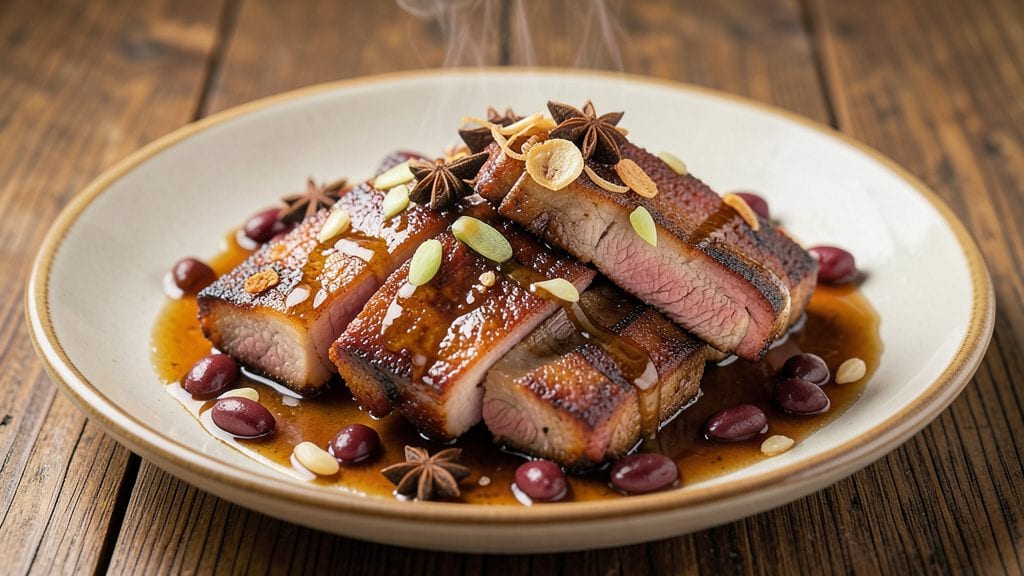
Transforming tough pork ribs into tender, flavorful bites requires patience—but this steamed pork ribs with fermented black beans recipe delivers restaurant-quality results in just one pot. The secret lies in the marriage of slow steaming and fermented black beans, which add a bold umami crunch that elevates every bite.
I developed this method after years of experimenting with Asian-style braising techniques, and it never fails to impress.
What makes this recipe stand out is the balanced harmony of textures and flavors: fall-apart ribs paired with the savory tang of fermented black beans.
The steaming process infuses the meat with natural juices while keeping it moist, while the black beans contribute a complex depth that cuts through the richness. No need for complicated marinades or long prep times—just a few simple ingredients and precise timing.
By the end, you’ll have tender, caramelized ribs that practically melt in your mouth, bathed in a glossy sauce enriched by the fermented black beans. The dish is naturally aromatic, with layers of smoky, salty, and slightly sweet notes that make it impossible to resist.
This is the kind of meal that turns a simple weeknight into a memorable dining experience.
The best part? This recipe scales effortlessly—whether you’re feeding a family or prepping for meal prep. Serve it with steamed jasmine rice or a crisp green salad to round out the meal. Let’s get cooking—your taste buds will thank you.
Ingredients for steamed pork ribs with fermented black beans
Fourteen ingredients transform tough ribs into melt-in-your-mouth perfection with umami crunch.
| Ingredient | Amount | Notes |
|---|---|---|
| Pork Ribs 🍖 | 2 lb | Baby back or spare ribs, trimmed |
| Fermented Black Beans 🫘 | 1 cup | In liquid, drained and rinsed |
| Fresh Ginger 🧡 | 1 inch | Corrected to: 1 tbsp, grated |
| Garlic Cloves 🧄 | 6 cloves | Minced for aromatic depth |
| Soy Sauce 🍶 | ½ cup | Light or dark variety |
| Honey 🍯 | ¼ cup | For caramelized balance |
| Sesame Oil 🫒 | 1 tbsp | Toasted for nutty aroma |
| Green Onions 🧅 | ¼ cup | Sliced, for fresh finish |
| Star Anise 🌟 | 2 whole | For subtle licorice note |
| Cinnamon Stick 🌿 | 1 whole | Optional, for warmth |
| Water 💧 | 2 cups | Steaming liquid |
| Sea Salt 🧂 | 1 ½ tsp | Diamond Crystal preferred |
| White Peppercorns 🌶️ | ½ tsp | Freshly cracked |
| Jasmine Rice 🍚 | 2 cups | Uncooked, for serving |
The fermented black beans are non-negotiable here—they bring that signature umami crunch that makes this dish sing. Asian markets carry the best quality in jars or vacuum-sealed packs, but the canned kind at Trader Joe's works in a pinch. Look for beans that still have some of their original brine clinging to them—this means they're fresh and packed with flavor. The pork ribs should be baby back or spare ribs, with any excess membrane trimmed away. I always buy mine from Costco when I'm making this for a crowd, but single packs at the grocery store meat counter work perfectly for four servings. Fresh ginger is key too—organic ginger from the produce section has more punch than the pre-peeled kind, and grating it yourself releases those essential oils that make all the difference.
No fermented black beans? Substitute with canned black beans soaked overnight and rinsed thoroughly, but you'll lose that signature crunch. Running short on sesame oil? Toasted sesame seeds at half the amount work, though the flavor won't be quite as rich. The star anise and cinnamon are more about aroma than taste—skip them if you're in a hurry, but I find they add that subtle complexity that makes this dish feel special. For the soy sauce, light soy sauce gives a cleaner flavor, while dark soy sauce adds more depth. The honey should be raw or unprocessed if you can find it—it caramelizes better and adds subtle floral notes. And if you're serving this to kids (or just hate green onions), the sliced green onions can be omitted entirely—they're purely for garnish and freshness.
This dish reheats beautifully—honestly, it tastes even better the next day once all the flavors have melded together. Store leftovers in an airtight container in the fridge for up to 4 days, or freeze for 3 months. I always make extra because it's perfect for meal prep—just reheat with a splash of water in the steamer basket for that same tender texture. The jasmine rice keeps for 1 week in the pantry if stored in an airtight container, and the fermented black beans will last 6 months unopened in the fridge. The pork ribs are best used within 2 days of purchase, so plan accordingly. The sauce portion can be made ahead and stored separately for up to 5 days—just reheat and pour over the ribs when ready to serve.
Why You'll Love This Recipe
- One-Pot Magic: I swear by this recipe because it’s basically hands-off after the initial chop. Toss the ribs, beans, and aromatics in a steamer, turn on the heat, and let the soy sauce and ginger work their flavor magic—no flipping, no fussing.
- Umami Bomb: Between the fermented black beans and that first whiff of garlic hitting the steam, your kitchen smells like a tiny Chinese restaurant. The ribs stay tender but develop a sticky, caramelized edge that’s dangerously addictive.
- Steamer to Table: This is my go-to for lazy Sundays or when unexpected company drops by. The same method works for lunchboxes (pack the ribs cold) or a quick reheat for dinner—just add a splash of water and steam again.
- Budget-Friendly Feast: Pork ribs are cheaper than they look, and fermented black beans stretch the flavor without breaking the bank. Honestly, I’ve made this for eight people for under $20, and everyone leaves happy—no sad leftovers here.
Step-by-step instructions for steamed pork ribs with fermented black beans
Here's how to create this umami-rich, one-pot masterpiece with tender ribs and perfectly seasoned rice.
Prepare the Pork Ribs and Aromatics
First, trim any excess fat from the 2 lb pork ribs but leave about ¼ inch for flavor. Cut the ribs into 2-inch chunks and set aside. In a large, heavy-bottomed pot, combine the 1 cup fermented black beans (drained and rinsed), 1 tbsp grated fresh ginger, 6 minced garlic cloves, 2 whole star anise, and 1 whole cinnamon stick. This aromatic base will infuse the ribs with deep, complex flavors.
Add the pork rib chunks to the pot and pour in the 2 cups water. Bring everything to a gentle boil over medium-high heat, then immediately reduce to a simmer. The water should just cover the ribs by about ½ inch—this ensures they steam rather than boil, keeping them tender. Let it simmer uncovered for 15 minutes to start breaking down the connective tissue.
Build the Sweet-Savory Sauce
After the initial 15 minutes, carefully pour in the 0.5 cup soy sauce and 0.25 cup honey. Stir gently to combine, being careful not to break up the star anise or cinnamon stick too much. The sauce should begin to thicken slightly as it reduces, creating a glossy glaze that will caramelize on the ribs.
Let the mixture simmer uncovered for another 20 minutes, stirring occasionally. You're looking for the sauce to reduce by about ¼ of its original volume—this means it should coat the back of a spoon and have a syrupy consistency. The pork ribs should be tender enough to pierce with a fork but still hold their shape. If the sauce reduces too quickly, add ¼ cup water to maintain the balance.
Add Rice and Finish Steaming
Spread the 2 cups jasmine rice evenly over the pork ribs and sauce in the pot. Sprinkle the rice with the 1.5 tsp sea salt and 0.5 tsp freshly cracked white peppercorns. The rice should absorb some of the flavorful liquid while also steaming in the residual heat. Cover the pot tightly with a lid and reduce the heat to low.
Steam for 18-20 minutes, or until the rice is tender and the liquid has been absorbed. You'll know it's done when the bottom of the pot makes a hollow sound when tapped (the "ping" test) and the rice grains are translucent at the edges. Avoid peeking during this time—steam is your friend, and every time you lift the lid, you risk losing precious moisture.
Garnish and Serve
Once the rice is fully cooked, turn off the heat and let the pot sit covered for 5 minutes. This resting period allows the flavors to meld and the rice to finish absorbing any remaining liquid. Using a slotted spoon, transfer the pork ribs to a serving platter. Discard the star anise and cinnamon stick, then carefully fold the rice to distribute any remaining sauce.
Garnish the dish with the 0.25 cup sliced green onions and drizzle lightly with the 1 tbsp toasted sesame oil. Serve immediately, as the ribs and rice are best enjoyed while steaming hot. The contrast of tender ribs, chewy black beans, and fragrant rice creates a harmonious balance of textures and flavors that will leave everyone at the table satisfied.
Pro Tips For Making Steamed Pork Ribs With Fermented Black Beans
- Parboil Ribs First: Skip the raw steam—blanch the ribs in boiling water for 3-4 minutes first. This softens them just enough to absorb the fermented black bean sauce better without turning to mush. I learned this the hard way when my ribs ended up rubbery after hours of steaming.
- Rinse Fermented Beans: Give those fermented black beans a quick rinse under cold water before using. The salt and preservatives in them can overpower the dish if left unchecked. Trust me, your sauce won’t taste like a pickle jar if you do this.
- Don’t Overcrowd the Steamer: Leave space between ribs—pack them in, and they’ll steam unevenly. Aim for a single layer with gaps, or steam in batches. My first attempt left the center ribs dry because I was too eager to fit everything in at once.
- Add Ginger Last: Toss in the sliced ginger and garlic right before the final 5 minutes of steaming. This keeps their sharp, bright flavors from dissolving into the sauce too early. I used to add them with the ribs, and the aroma faded into the background.
Wine and beer pairings for steamed pork ribs with fermented black beans
Asian-Inspired Sake
This dish pairs beautifully with a dry junmai sake like Dassai 23—its crisp, slightly nutty profile complements the fermented black beans' umami while balancing the sweetness of the ribs. Chill your sake to 45-50°F before serving to enhance its clean, mineral finish.
For a more aromatic option, try Hakkaisan Junmai Daiginjo—its delicate floral notes elevate the dish's complexity. 🍶
Light Lager Options
A crisp German pilsner like Warsteiner or Stella Artois cuts through the richness of the ribs while refreshing your palate between bites. The effervescence helps cleanse the bold flavors, making each forkful more enjoyable.
For a local favorite, Budweiser works surprisingly well—its mild hop bitterness provides subtle contrast. Serve at 40°F for optimal crispness.
Red Wine Contrast
If you prefer wine, a light-bodied Pinot Noir from Oregon or New Zealand offers an unexpected but harmonious pairing. Look for wines with bright cherry and earthy undertones—these notes mirror the dish's savory depth without overpowering it.
A 2019 Meiomi Pinot Noir (California) is my go-to for its approachable fruitiness and smooth finish. Decant for 30 minutes before serving to soften tannins.
Craft Beer Experiment
For beer enthusiasts, a wheat beer like Blue Moon or Allagash White adds a citrusy brightness that contrasts the dish's heartiness. The slight sweetness from the wheat balances the fermented black beans' tang.
If you prefer hoppier options, a German Hefeweizen with its banana and clove notes creates an intriguing flavor dialogue. Keep your beer well-chilled at 38-40°F for best results.
Non-Alcoholic Pairings
Don't overlook sparkling yuzu soda—its citrusy effervescence mirrors the ginger and garlic in the dish while refreshing your palate. For a more traditional option, jasmine tea with a splash of honey enhances the umami flavors without competing.
Iced hibiscus tea (agricultura) adds a tart contrast that complements the ribs' richness perfectly. 💫
Serving Temperature Tips
Always serve your beverage slightly cooler than room temperature—40-50°F is ideal for most pairings. For sake and wine, use an iced water bath for precise chilling. Beer should be served in a clean, chilled glass (not frosted) to maintain proper temperature.
The right drink temperature enhances both the dish and beverage, making each sip and bite more enjoyable. Pro tip: Keep your drinks in a cooler with ice packs** while you cook to maintain consistency.
Nutrition facts
Frequently asked questions
Why do the fermented black beans need to be drained and rinsed?
Rinsing removes excess brine that can make the sauce watery. The fermented black beans add bold umami crunch but their natural brine contains salt that needs balancing. Draining also prevents the rice from becoming soggy—you want the beans to contribute flavor, not dilute the dish.
Can I substitute regular black beans for fermented ones?
Yes, but you'll lose the signature fermented crunch and depth of flavor. Soak canned black beans overnight, then rinse thoroughly. For extra umami, add 1 tsp soy sauce and ½ tsp fish sauce to the beans before cooking. The texture won't be identical, but it'll still be delicious.
How do I know when the pork ribs are fully tender?
Pierce the thickest piece with a fork—if it slides in easily and the meat separates cleanly, they're done. The ribs should also be fork-tender but not falling apart. Total steaming time is 35-40 minutes (including the initial simmer), but ribs vary in size. Never rush this step—patience is key for melt-in-your-mouth texture.
What if my sauce reduces too quickly and sticks to the pot?
Add ¼ cup water gradually to prevent burning. Stir gently to loosen any stuck bits, then reduce heat to low. The sauce should coat the back of a spoon but remain smooth. If it's still too thick after adding water, let it simmer uncovered for 5 more minutes—it'll thicken again as it cools.
Can I make this in an electric pressure cooker?
Use the high-pressure setting for 20 minutes after adding the ribs and aromatics. Skip the initial 15-minute simmer—the pressure cooker does all the work. Add rice and 5 minutes of natural release before quick-release. The ribs will be even more tender, but watch the sauce closely—it may reduce faster under pressure.