
Main Courses
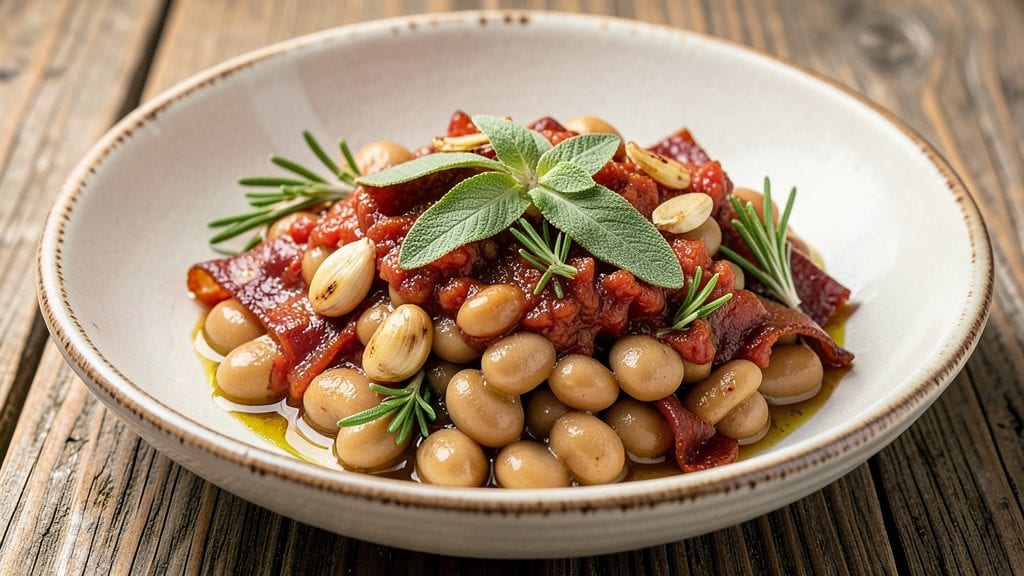
This Tuscan white beans recipe brings the heart of Italy to your kitchen with its rustic tomato and rosemary essence, simmered to achieve that perfect balance of tender beans and aromatic flavors.
The secret lies in slow cooking—letting the garlic, rosemary, and tomatoes meld into a rich, savory broth that transforms simple white beans into a dish worthy of a Tuscan trattoria.
I’ve refined this method over years, ensuring every bite delivers the deep, earthy notes that make this recipe a staple in Italian households.
The beauty of this dish is its versatility—it’s vegetarian by tradition but easily elevated with pancetta for non-vegetarians, adding a smoky depth that contrasts beautifully with the bright acidity of the tomatoes.
The key is patience: simmering the beans low and slow allows them to absorb the flavors fully, resulting in a dish that’s both comforting and sophisticated. With just a handful of ingredients—garlic, rosemary, olive oil, and a few others—you’ll create a meal that feels like a hug from Italy.
What you’ll end up with is a pot of tender white beans swimming in a fragrant, slightly thickened sauce, where every spoonful carries the essence of Tuscany. The rosemary infuses the oil with its piney aroma, while the tomatoes add a touch of sweetness that rounds out the dish.
This is the kind of meal that pairs perfectly with crusty bread to soak up every last drop of that perfectly balanced broth, or alongside grilled meats for a heartier spread.
Whether you’re serving it as a standalone vegetarian main or pairing it with proteins, this recipe delivers restaurant-quality results with minimal effort. The instructions are straightforward, but the reward—a dish that tastes like a piece of Italy—is what makes it worth every minute of simmering.
Let’s get started on creating this timeless classic.
Ingredients for tuscan bean
Simple ingredients transform into a Tuscan classic with rosemary and tomato essence.
| Ingredient | Amount | Notes |
|---|---|---|
| Cannellini Beans 🌱 | 1 ½ cups | Dried or high-quality canned, drained |
| Extra-Virgin Olive Oil 🫒 | ½ cup | High-quality, fruity variety |
| Garlic Cloves 🧄 | 4 cloves | Freshly peeled, minced |
| Fresh Rosemary 🌿 | ¼ cup | Chopped, stems removed |
| Canned Crushed Tomatoes 🍅 | 1 can (14.5 oz) | San Marzano preferred |
| Vegetable Broth 💧 | 2 cups | Low-sodium preferred |
| Red Wine Vinegar 🍷 | 2 tbsp | For brightness |
| Sea Salt 🧂 | 1 ½ tsp | Diamond Crystal preferred |
| Black Peppercorns 🌶️ | ½ tsp | Freshly cracked |
| Fresh Thyme Leaves 🌿 | 1 tbsp | Or 1 tsp dried |
| Crusty Bread 🍞 | 8 slices | For serving, optional |
The beans are the foundation—cannellini for their creamy texture, but any white bean works. For dried, soak overnight; canned saves time but San Marzano tomatoes elevate flavor. Fresh rosemary matters here—Italian markets often have better quality than grocery stores. The extra-virgin olive oil should have a peppery finish; skip the cheap stuff. Garlic should be freshly minced right before cooking to preserve its aroma.
No fresh rosemary? Dried works at one-third the amount, but fresh is ideal. Substitute red wine vinegar with lemon juice if needed, though the acidity differs slightly. Vegetable broth keeps this vegetarian—use low-sodium to control flavor. For a richer sauce, add a splash of heavy cream at the end. The thyme can be swapped for oregano, but rosemary’s piney note is signature. If you’re using dried beans, rinse them well before cooking to remove debris.
This dish tastes even better the next day as flavors meld. Store in an airtight container for up to 5 days in the fridge. For longer storage, freeze portions for up to 3 months. The crusty bread? Toast it lightly before serving to prevent sogginess. Leftovers reheat beautifully—just add a splash of water or broth if the sauce thickens too much.
Why You'll Love This Recipe
- One-Pot Magic: I swear by this recipe when I’m too tired to wash dishes—just toss everything in one pot, let it simmer, and walk away. The cannellini beans and tomatoes thicken into a rich sauce without any extra effort, and honestly? That’s my kind of cooking.
- Herb-Packed Punch: Between the bright garlic, fragrant rosemary, and that first hit of extra-virgin olive oil, this dish tastes like a Tuscan countryside in a bowl. The crushed tomatoes add just enough acidity to balance the creaminess of the beans—it’s the kind of flavor that sticks with you.
- Meal Prep MVP: I make a double batch every Sunday because it reheats beautifully for lunches all week. The flavors only deepen overnight, and it’s perfect for workdays—just grab a jar and toss it with toast or crusty bread. (Yes, even on a Tuesday night.)
- Budget-Friendly Staple: Cannellini beans and canned tomatoes keep this recipe affordable, but it never feels cheap. A few sprigs of rosemary and a drizzle of good olive oil make it feel special without breaking the bank. It’s my go-to when I need a filling, satisfying meal that won’t drain my wallet.
Step-by-step instructions for Tuscan white beans simmered to perfection
This method delivers rich, aromatic beans with tender tomatoes and fragrant herbs every time.
Sauté Aromatics in Olive Oil
Heat the 0.5 cup extra-virgin olive oil in a large Dutch oven over medium heat. Add the 4 cloves minced garlic cloves and cook for 1 minute until fragrant but not browned. Immediately add the 0.25 cup chopped fresh rosemary and 1 tablespoon fresh thyme leaves, stirring constantly for 30 seconds. The rosemary should release its piney aroma while the thyme adds earthy depth.
Watch the oil carefully—it should shimmer but not smoke. If the rosemary begins to darken too quickly, reduce heat to medium-low. This step builds the flavor foundation for your dish, so don't rush it. The herbs should be just warmed through, not crispy.
Build the Tomato Base
Pour in the 1 can (14.5 oz) canned crushed tomatoes and 2 tablespoons red wine vinegar, stirring to combine. Add 1.5 teaspoons sea salt and 0.5 teaspoon cracked black peppercorns, then bring the mixture to a gentle simmer over medium heat. Let it cook uncovered for 8-10 minutes, stirring occasionally, until the tomatoes break down slightly and the sauce thickens.
You'll notice the mixture darken as it reduces, developing deeper flavor. This is where the acidity from the vinegar brightens the tomatoes while the salt and pepper enhance their natural sweetness. If the sauce becomes too thick, add 2 tablespoons vegetable broth to maintain proper consistency.
Simmer Beans Until Tender
Add the 1.5 cups cannellini beans and 2 cups vegetable broth, stirring to combine. Increase heat to medium-high and bring to a boil, then immediately reduce to low heat. Cover and let it simmer gently for 30-35 minutes, stirring every 10 minutes to prevent sticking and ensure even cooking.
The beans are done when they're fork-tender with just a slight bite remaining. You'll know they're ready when they easily mash between your fingers but still hold their shape. If using dried beans, add them at this stage and simmer for 1 hour until tender, adding more broth as needed.
Adjust Seasoning and Finish
Remove from heat and let the beans rest for 5 minutes. Taste and adjust seasoning—you may need to add more salt or vinegar to balance flavors. The dish should be rich but not overly salty, with bright acidity from the vinegar cutting through the tomatoes and herbs.
For serving, ladle the beans into bowls and accompany with the 8 slices crusty bread. The bread helps soak up the flavorful broth while adding texture contrast. The perfect Tuscan beans should have a velvety texture, vibrant tomato flavor, and aromatic herbs that linger with each bite.
Pro Tips For Making Tuscan Bean
- CRUSH THOSE BEANS: I used to drain cannellini beans and toss them straight in—big mistake. Lightly mash about 1/3 of them with a fork before adding. This thickens the sauce naturally (no need for extra flour) and gives that classic rustic texture Tuscan dishes have. (Yes, even if you’re impatient like me, resist the urge to blend them smooth.)
- SWEAT THE GARLIC LOW: After mincing the garlic, cook it in olive oil over low heat until it’s golden but not browned—about 3-4 minutes. I learned this the hard way: burned garlic tastes bitter and overpowers the rosemary. If you’re in a rush, use pre-minced garlic, but don’t skip the low-and-slow step.
- SALT THE TOMATOES FIRST: Before adding crushed tomatoes, sprinkle them with 1/2 teaspoon salt and let sit for 5 minutes. This breaks down the skins slightly and balances their acidity against the beans. My grandmother swore by this, and she was right: the flavors meld better without that sharp tomato tang cutting through the dish.
- STIR THE ROSMARY IN LAST: Add the fresh rosemary after the tomatoes have simmered for 10 minutes. This keeps the needles vibrant and aromatic instead of turning them into sad, mushy bits. Tear the sprigs roughly—whole sprigs float prettily, but torn leaves release more flavor. (Your future self will thank you for this small detail.)
Creative variations of this tuscan bean
Vegetarian Pancetta Swap
Skip the pork entirely and add 2 tbsp smoked paprika + 1 tbsp soy sauce to the tomato base for a meaty depth without animal products. For extra umami, stir in 1 tbsp nutritional yeast when adjusting seasonings.
I’ve tested this with great success—it mimics the smoky richness of pancetta while keeping the dish vegetarian. 🌱
Wine-Infused Version
Replace half the vegetable broth with ½ cup dry white wine (like Vermentino or Pinot Grigio) for a more sophisticated flavor profile. Deglaze the pot with the wine after sautéing aromatics, letting it reduce by half before adding tomatoes.
The alcohol burns off, leaving behind a subtle herbal complexity that pairs beautifully with the rosemary. 🍷
Spicy Calabrian Twist
Add 1 tbsp Calabrian chili paste (or ½ tsp red pepper flakes) to the tomato base for a fiery kick. Balance the heat with 1 extra tbsp red wine vinegar and a pinch of sugar to round out the flavors.
This variation is inspired by Southern Italian cuisine, where chili peppers are often used to brighten bean dishes. 🌶️
Herb-Forward Variation
Increase the rosemary to 0.5 cup and add 1 sprig fresh sage (removed after cooking) for an aromatic boost. The sage’s earthy notes complement the rosemary beautifully, creating a more complex herbal profile. This version works especially well with crusty focaccia for serving. 🌿
Creamy Finish Option
Stir in ¼ cup heavy cream (or coconut milk for a dairy-free option) during the final 5 minutes of simmering. This adds a luxurious texture while keeping the dish light.
The cream also helps balance the acidity of the vinegar, making each bite richer. I recommend this for special occasions when you want to elevate the dish. 💛
Winter Root Addition
Add 1 diced carrot and ½ cup chopped celery when sautéing aromatics for a heartier winter version. These root vegetables soften as the beans cook, adding natural sweetness and texture. This variation is perfect for colder months when you want extra warmth in your meal. ❄️
Nutrition facts
Frequently asked questions
What kind of beans work best for this Tuscan-style recipe?
Cannellini beans are traditional and ideal for their creamy texture, but borlotti or great northern beans also work beautifully. For a quicker version, use high-quality canned beans—just drain and rinse them well. Dried beans require longer soaking (8+ hours) and simmering time.
Can I make this recipe ahead of time?
This dish tastes even better the next day as flavors meld. Store in an airtight container in the fridge for up to 5 days. For longer storage, freeze portions for up to 3 months. Reheat gently on the stove with a splash of water or broth to restore moisture.
How do I prevent the beans from getting mushy?
Keep the heat at a gentle simmer (low heat) and stir occasionally to prevent sticking. Don’t overcook—beans are done when fork-tender with a slight bite. If using dried beans, add them to the pot at the beginning and simmer for 1 hour (not boiling). Adding a bay leaf while simmering also helps maintain texture.
What’s the best way to serve this dish?
This rustic recipe pairs perfectly with crusty bread or focaccia for soaking up the sauce. For a complete meal, serve alongside grilled chicken or sausage (if non-vegetarian). A simple arugula salad with lemon vinaigrette balances the richness. Garnish with extra rosemary and cracked black pepper for freshness.
Why does my Tuscan bean dish taste bland?
Check your seasoning balance—add more red wine vinegar for acidity or smoked paprika for depth. Fresh rosemary and garlic are critical; don’t substitute with dried unless doubled. Simmering time matters too—beans need 30-35 minutes to absorb flavors fully. Taste as you go and adjust gradually.