Side Dishes
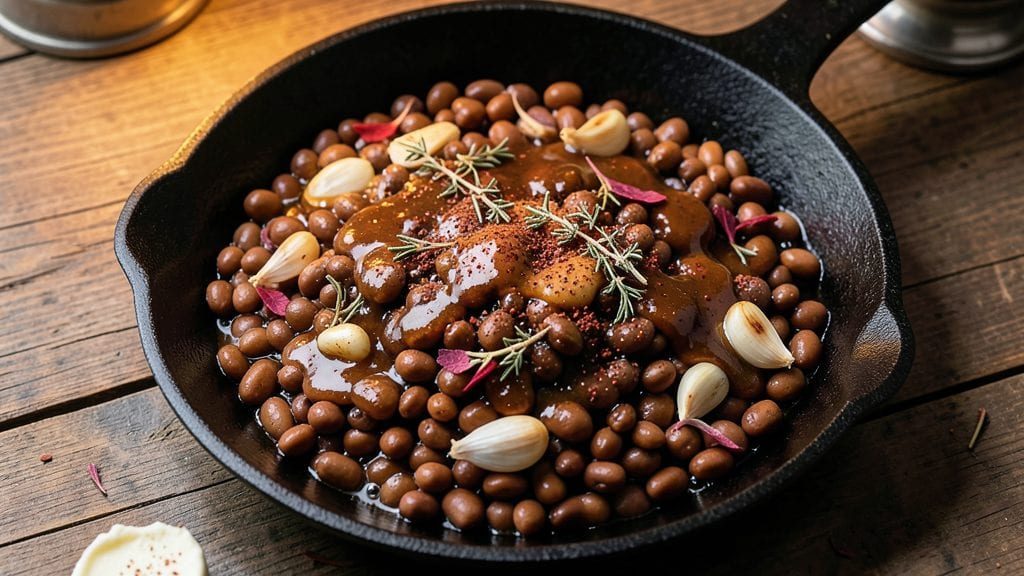
This campfire beans recipe transforms a classic side into a smoky, fire-roasted masterpiece that captures the essence of outdoor cooking without the cleanup. The secret lies in using a Dutch oven or foil packets to infuse deep, wood-fired flavor directly into the beans while keeping them tender and rich.
I developed this method after years of camping trips where store-bought beans simply couldn't compare to the real deal.
The beauty of this recipe is its adaptability—whether you're cooking over a campfire, on a grill, or even in your oven at home. You'll start with dried beans (soaked overnight for perfect texture) and build layers of flavor using smoked paprika, garlic, and a splash of molasses for depth.
The slow cooking process allows all those smoky aromas to penetrate every bean, creating a dish that tastes like it's been simmering for hours.
By the time you're done, you'll have hearty, flavorful beans with that unmistakable campfire taste—crisp edges from the fire's heat and tender centers that practically melt in your mouth.
These beans pair perfectly with grilled meats, cornbread, or even as a standalone meal when you're hungry for something substantial. The best part? No messy pots to clean afterward.
This recipe works equally well for summer cookouts or cozy fall gatherings, making it a versatile addition to any outdoor menu. Let's get started on creating that authentic campfire experience right in your backyard—or even in your kitchen.
Ingredients for campfire beans
Simple ingredients that pack maximum campfire flavor—no shortcuts needed.
| Ingredient | Amount | Notes |
|---|---|---|
| Dried Navy Beans 🌱 | 2 cups | Uncooked, soaked overnight |
| Smoked Paprika 🌶️ | 2 tbsp | For authentic campfire flavor |
| Garlic Cloves 🧄 | 6 cloves | Minced for deep flavor |
| Unsalted Butter 🧈 | ½ cup | Full-fat for richness |
| Molasses 🍯 | ¼ cup | Dark, for depth |
| Dried Thyme 🌿 | 1 tbsp | Or fresh thyme leaves |
| Bay Leaves 🍃 | 2 whole | Remove before serving |
| Apple Cider Vinegar 🍏 | ¼ cup | For tangy brightness |
| Salt 🧂 | 1 ½ tsp | Kosher or sea salt |
| Black Peppercorns 🌶️ | ½ tsp | Freshly cracked |
| Vegetable Oil 🫒 | 2 tbsp | For foil packet greasing |
| Aluminum Foil 📄 | 1 sheet | Heavy-duty preferred |
| Water 💧 | 6 cups | For soaking and cooking |
The beans are the foundation, so don't skimp. Navy beans hold up best to the long, smoky cooking process, but you can swap in pinto or Great Northern if that's what you've got. Soaking overnight is non-negotiable—it cuts cooking time and keeps them tender. Trader Joe's sells pre-soaked beans in a pinch, but they won't have that same campfire texture. For the smoked paprika, Penzeys or the bulk section at natural food stores have the best quality—avoid the stuff that smells like dust. The molasses should be dark and thick, not that thin, sweet syrup. Goya brand is my go-to for authentic flavor.
No smoked paprika? Substitute liquid smoke at half the amount, but trust me, it's not the same. Fresh thyme is ideal, but dried works fine at one-third the quantity. Short on molasses? Maple syrup or brown sugar in a pinch, though molasses gives that unmistakable campfire depth. The butter adds richness that store-bought beans can't match—don't use margarine. For the foil packets, heavy-duty foil is key. Regular foil tears when you're trying to seal it tight over the beans. If you're cooking on a grill instead of a fire, use the grill's drip pan to catch any spills—this stuff gets messy fast.
These beans reheat beautifully—just add a splash of water and warm through. They keep for 5 days in the fridge, but honestly, they're even better the next day as all the flavors meld. For campfire cooking, pre-chill the foil packets in the fridge before wrapping—it prevents them from steaming too much and keeps the edges crisp. Freeze extras for up to 3 months if you're making a big batch. I always double the recipe for gatherings—everyone wants seconds, and these beans disappear fast.
Why You'll Love This Recipe
- No-Soak Required: I’ll admit, I used to dread dried beans—but these navy beans? Just a quick rinse and simmer. That smoked paprika turns them into something ridiculously flavorful without any fancy prep.
- Molasses Magic: Honestly, the molasses is what makes this dish. It’s not too sweet, just enough to balance the smoky paprika and garlic, giving them this deep, caramelized richness that sticks with you.
- Tailgate or Table: Between us, these are my go-to for game days, potlucks, or even a lazy Sunday. Serve them warm with crusty bread or toss them into sandwiches—no one will guess they’re a last-minute meal.
- Budget-Friendly Powerhouse: A pound of dried beans costs pennies, and this recipe stretches for days. I make a big batch on Sundays, and by Wednesday, I’m still eating leftovers—no waste, just satisfaction.
Step-by-step instructions for campfire beans recipe
Here's how to create restaurant-quality campfire beans with minimal cleanup and maximum flavor.
Soak and Season the Beans
Place the 2 cups dried navy beans in a large bowl and cover them completely with the 6 cups water. Let them soak overnight at room temperature. This overnight soak ensures they cook evenly and become tender without splitting. The next morning, drain and rinse them thoroughly under cold water to remove any excess starch.
In a medium bowl, combine the 2 tbsp smoked paprika, 1 tbsp dried thyme, 1.5 tsp salt, and 0.5 tsp black peppercorns. Mix well to distribute the spices evenly. Add the soaked beans to the spice mixture and toss gently until every bean is coated. This step builds the deep, smoky foundation for your campfire beans.
Prepare the Foil Packet
Cut the 1 sheet aluminum foil into two large rectangles, each about 18x12 inches. Lightly grease one side of each foil sheet with the 2 tbsp vegetable oil using a paper towel. This prevents sticking and makes cleanup effortless. Place the spiced beans in the center of one foil sheet, dividing them evenly between the two sheets.
In a small saucepan, melt the 0.5 cup unsalted butter over low heat. Remove from heat and stir in the 0.25 cup molasses and 0.25 cup apple cider vinegar. Add the 6 minced garlic cloves and 2 whole bay leaves, then pour this mixture evenly over the beans on both foil sheets. Fold the foil tightly to create sealed packets, leaving room for expansion as the beans cook.
Cook Over Campfire or Grill
Place the foil packets directly on campfire coals or a grill grate, spacing them about 2 inches apart. Cook for 45-60 minutes, turning occasionally to ensure even cooking and prevent burning. You'll know they're ready when the foil feels hot to the touch and the beans are fork-tender with a slight resistance.
Here's the thing—don't open the foil until they're fully cooked. The steam inside helps tenderize the beans while the foil creates that perfect campfire flavor. If you're cooking over a fire, move the packets to a cooler part of the flames once they start to brown on the outside.
Rest and Serve
Remove the foil packets from heat and let them rest for 10 minutes. This resting period allows the flavors to meld and the beans to absorb all that delicious liquid. Open the foil carefully—the steam will be intense—and discard the bay leaves before serving.
For best results, serve these campfire beans directly from the foil onto plates, letting any remaining juices drizzle over the top. The combination of smoky paprika, sweet molasses, and tangy vinegar creates a flavor profile that's perfect for outdoor gatherings. Each bite delivers that authentic campfire taste without the cleanup.
Pro Tips For Making Campfire Beans
- SOAK BEANS OVERNIGHT: DESCRIPTION: Navy beans soften faster and split less when soaked 8–12 hours in cold water. I learned this the hard way—rushing them in hot water left me with a mushy, uneven batch. Use a 1:3 bean-to-water ratio and skip the salt in the soaking water.
- CRUSH GARLIC COARSELY: DESCRIPTION: Minced garlic burns fast over campfire heat. Smash 3–4 cloves with the flat side of your knife instead—big chunks release flavor without turning bitter. (Yes, even if you’re impatient like me.)
- SALT BEFORE BUTTER: DESCRIPTION: Add 1 teaspoon salt to the beans before stirring in the butter. The butter melts slower and coats the beans evenly, while the salt dissolves properly. I used to add it after and ended up with clumpy, uneven seasoning.
- SIMMER LOW AND LONG: DESCRIPTION: Campfire heat is unpredictable—keep the beans at a gentle simmer (tiny bubbles, no splashing) for at least 45 minutes after they’re tender. Low heat builds depth; high heat makes them gummy. (Your future self will thank you.)
Wine and beer pairings for these flavors
Smoky Red Wine Pairings
For these campfire beans, I reach for bold red wines that complement the smoky paprika and molasses notes. A Cabernet Sauvignon from Napa Valley—like Louis M. Martini—works beautifully with its dark fruit and earthy undertones.
The wine's tannins stand up to the beans' richness, while its smoky finish mirrors the campfire flavor. 🍷
If you prefer something lighter, try a Zinfandel from California's Central Coast. Brands like Bogle Vineyards offer affordable options with enough body to handle the molasses and vinegar.
The wine's spice notes enhance the smoked paprika, creating a harmonious balance. Serve slightly chilled to let the wine's acidity cut through the dish's richness.
Craft Beer Complements
For beer lovers, a smoked porter is a perfect match—think Founders Kentucky Breakfast Stout or Goose Island Bourbon County Stout. The beer's caramel and coffee notes pair wonderfully with the molasses, while its smoky profile echoes the campfire essence. The deep maltiness also complements the beans' earthy texture. 🍺
If you prefer something lighter, opt for a honey brown ale like New Belgium Fat Tire. The beer's nutty sweetness balances the vinegar's tang, while its malty backbone stands up to the beans' hearty flavor. Serve the beer at 50°F to let its flavors shine without overwhelming the dish.
White Wine Surprises
Don't overlook white wines—an oaked Chardonnay with its buttery notes can surprisingly work. Try Kendall-Jackson Vintner's Reserve, which adds a creamy contrast to the beans' smoky depth. The wine's vanilla and oak flavors complement the butter and molasses, creating a delightful contrast. 🍷
For a crisp alternative, a dry Riesling like Dr. Loosen Blue Slate offers bright acidity that cuts through the richness. The wine's citrus notes refresh the palate between bites, making it an unexpected but excellent pairing. Serve it slightly cooler than room temperature to enhance its crispness.
Non-Alcoholic Options
For those skipping alcohol, a sparkling ginger beer like Feather Ginger Beer adds a refreshing zing. The ginger's spice complements the smoked paprika, while the effervescence cleanses the palate. Serve it chilled over ice for the best experience. 💧
Alternatively, a smoked tea like Adagio Smoky Vanilla Rooibos offers a warm, aromatic pairing. The tea's natural sweetness and smoky notes mirror the beans' flavor profile without any alcohol. Brew it strong and serve it hot to enhance its comforting qualities.
Nutrition facts
Frequently asked questions
Can I use canned beans instead of dried for campfire cooking?
While it's possible, dried beans give you that authentic campfire texture and flavor. Canned beans will work in a pinch, but they won't have the same hearty, smoky depth. If you must use canned, drain and rinse them well, then add them to the foil packets with 1 cup extra water to prevent drying out. Cook for 20-30 minutes instead of the full hour, as they're pre-cooked.
How do I adjust this recipe for a Dutch oven instead of foil packets?
Simply layer the soaked, spiced beans in your Dutch oven with the butter-molasses mixture. Add 6 cups water and bring to a boil, then reduce heat to low. Cook uncovered for 1.5-2 hours over campfire coals, stirring occasionally. The Dutch oven will give you more even heat distribution and crispier edges. Just be ready for some cleanup afterward!
What's the best way to reheat leftover campfire beans?
Reheat gently in a pot with 2-3 tablespoons water or broth over medium-low heat for 10-15 minutes, stirring occasionally. Never microwave—it makes the beans mushy. For foil packet leftovers, place them on a grill grate or in a skillet over medium heat for 5-10 minutes to revive that campfire crust.
Can I make these beans spicier?
Add 1 teaspoon cayenne pepper or 1 chopped chipotle pepper in adobo sauce to the butter-molasses mixture. For extra heat, sprinkle 1 teaspoon crushed red pepper flakes on top before sealing the foil. If you're sensitive to spice, start with half the amount and adjust to taste.
What if my campfire isn't hot enough to cook the beans properly?
Use a grill grate over the coals to concentrate heat, or place the foil packets on a cast-iron skillet on the fire. If flames are too low, try wrapping the foil packets in additional layers of foil for insulation. As a last resort, transfer them to a stovetop Dutch oven with 1 cup water and simmer for 30-45 minutes. The beans will still be delicious, just with slightly less smoky character.