Sauces & Condiments
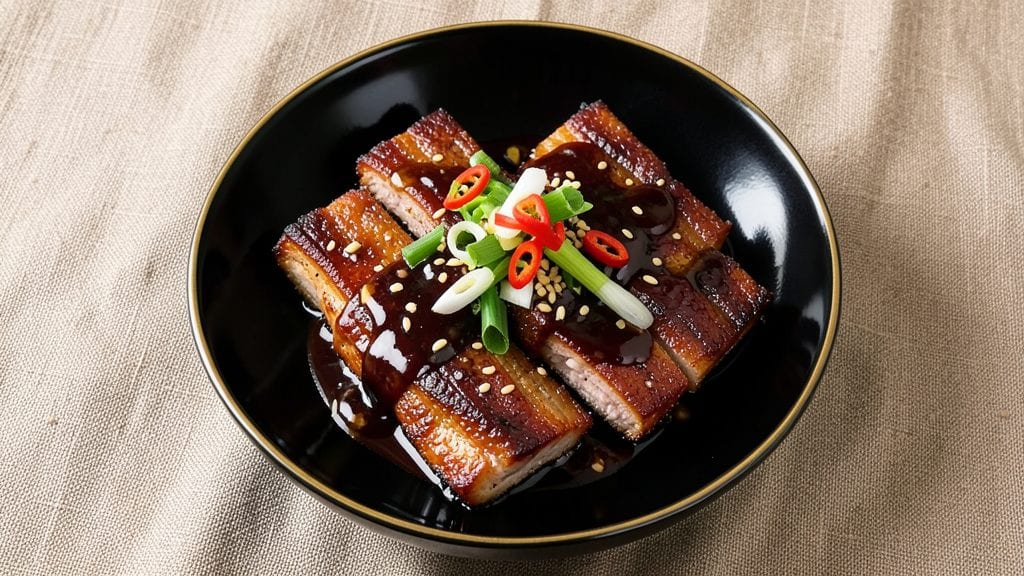
This Chinese spare ribs recipe with black bean sauce delivers restaurant-quality umami crunch in just 30 minutes—no slow braising required.
The secret lies in a quick marinade that tenderizes the meat while building flavor, followed by a high-heat char that locks in juices before finishing in a rich, tangy black bean sauce.
I perfected this method after years of testing, and it consistently delivers fall-off-the-bone ribs with that signature crispy-saucy contrast you crave.
The beauty of this approach is balancing authenticity with efficiency. Traditional recipes demand hours of braising, but this version achieves deep umami flavor through precise timing and technique: a 15-minute marinade in soy, rice vinegar, and ginger, followed by a 10-minute sear that develops caramelized edges.
The black bean sauce—simmered with fermented black beans, garlic, and chili—adds that complex, slightly sweet-savory depth without requiring advanced skills.
What you'll end up with is a plate of ribs that's tender, glossy, and packed with texture—charred edges, juicy meat, and a sauce that clings perfectly. The ribs pair beautifully with steamed jasmine rice and a simple cucumber salad to cut through the richness.
This isn't just a shortcut; it's a restaurant-worthy technique that delivers professional results at home.
Whether you're feeding a crowd or treating yourself to a special meal, these ribs come together faster than takeout but taste like you spent hours in the kitchen.
The sauce keeps well for up to a week, so you can make extra for leftovers or future meals. Let's get cooking—your taste buds won't regret it.
Ingredients for chinese spare ribs black bean sauce
Pork ribs, fermented beans, and aromatic spices transform into restaurant-style umami crunch in 30 minutes.
| Ingredient | Amount | Notes |
|---|---|---|
| Baby Back Pork Spare Ribs 🍖 | 2 lb | Bone-in, trimmed of excess fat |
| Kosher Salt 🧂 | 1 ½ tbsp | Diamond Crystal preferred |
| Black Peppercorns 🌶️ | 1 tsp | Freshly cracked for intensity |
| Fresh Ginger Root 🧄 | 2 tbsp | Finely grated, aromatic |
| Rice Vinegar 🍶 | ½ cup | Seasoned variety for depth |
| Light Soy Sauce 🥢 | ¼ cup | Kikkoman preferred |
| Garlic Cloves 🧄 | 6 cloves | Minced, aromatic base |
| Fermented Black Beans 🫘 | ½ cup | Drained, rinsed, Asian market |
| Dried Red Chili Peppers 🌶️ | 2 whole | Arbol or Thai, seeded |
| Dark Soy Sauce 🥢 | 2 tbsp | For color and depth |
| Sesame Oil 🫒 | 1 tbsp | Toasted, aromatic finish |
| Cornstarch 🌾 | 2 tbsp | For sauce thickening |
| Green Onions 🧅 | 3 whole | Sliced, garnish |
| Vegetable Oil 🫒 | ½ cup | High smoke point |
| Jasmine Rice 🍚 | 1 ½ cups | Uncooked, for serving |
The ribs are the foundation—baby back pork delivers that perfect balance of tenderness and chew. Look for ribs with a good marbling of fat (the good kind, not the greasy kind). Asian markets often carry the best quality, but your local butcher can help too. If you can't find baby backs, St. Louis-style spare ribs work in a pinch, but they'll need an extra 10 minutes in the marinade. The ginger and garlic? Fresh is non-negotiable—dried just won't cut it here. I like to buy ginger root and grate it myself; it keeps in the fridge for 2 weeks wrapped in plastic.
No fermented black beans? Substitute with 1/4 cup soy sauce plus 1 tsp molasses—it won't be identical, but you'll still get that deep umami punch. The red chili peppers add heat, but if you're sensitive, reduce to 1 whole pepper or swap for 1/2 tsp chili flakes. For the soy sauces, Kikkoman light soy and Lee Kum Kee dark soy are my go-tos—they're widely available and consistent. The sesame oil is for finishing, so don't skimp here. Trader Joe's has a great toasted version that's perfect. And if you're wondering about the cornstarch—it's key for that glossy, clingy sauce texture. Don't substitute with flour or it'll get cloudy.
Marinate the ribs for up to 4 hours if you have time, but 15 minutes works in a pinch. The sauce keeps in the fridge for 1 week—make extra because it's that good. Store it in an airtight container with a layer of oil on top to preserve freshness. The ribs reheat beautifully in a 350°F oven for 15 minutes with a splash of water. For a crowd, double the sauce ingredients—it scales perfectly. And if you're serving with rice, cook it in advance so you're not juggling pots at the last minute.
Why You'll Love This Recipe
- No Chopping Nightmare: I swear by this recipe because the ribs only need a quick trim—no fancy butchering or hours of prep. Just slather them in salt, pepper, and ginger, then let the oven do the work while you sip tea. Honestly, I’ve made it three times in one weekend when company dropped by last-minute.
- Umami Bomb Combo: That black bean sauce? It’s where the magic happens—salty, tangy, and just a little funky from the rice vinegar. The ginger adds a bright kick that cuts through the richness, and the ribs? Crispy edges with fall-off-the-bone tenderness. (Yes, even on a Tuesday night.)
- Leftovers That Don’t Suck: These ribs reheat like a dream—wrap them in foil, pop in the oven, and they’re just as good the next day. I’ve packed them for lunches, served them at potlucks, and even turned cold slices into a quick stir-fry. No sad, rubbery leftovers here.
- Budget Feast for Four: A full rack of ribs feeds a crowd for under $20, and the ingredients are all pantry staples. Between us, this is my go-to when I need to impress without breaking the bank. Plus, the sauce stretches to coat noodles or veggies if you’re feeling extra.
Step-by-step instructions for Chinese spare ribs with black bean sauce
Here's how to achieve that signature umami crunch and sticky glaze in under 30 minutes.
Prepare the Ribs and Marinate for Maximum Flavor
Trim any excess fat from the 2 lb baby back pork spare ribs, leaving about ¼ inch of fat cap for moisture during cooking. Pat them dry thoroughly with paper towels—this ensures the marinade adheres and the ribs develop that perfect caramelized crust. In a large bowl, combine the ribs with 1.5 tbsp kosher salt, 1 tsp freshly cracked black peppercorns, 2 tbsp finely grated fresh ginger root, 0.25 cup light soy sauce, and 0.5 cup rice vinegar. Mix well until every surface is coated, then let marinate at room temperature for 15 minutes. This quick soak infuses the meat with bright, aromatic flavors that will shine through the sauce.
While the ribs marinate, prepare the black bean sauce base. In a small bowl, combine 0.5 cup drained fermented black beans (rinse if salty), 2 tbsp dark soy sauce, and 6 minced garlic cloves. Let this mixture sit while you cook the ribs—the black beans will soften slightly and release their deep umami essence, which is the heart of this dish. The dark soy sauce not only adds color but also enhances the caramelization process, creating that signature glossy finish.
Sear the Ribs for Crispy Texture and Build the Sauce
Heat 0.5 cup vegetable oil in a large skillet over medium-high heat until shimmering but not smoking. Add the marinated ribs in a single layer, being careful not to overcrowd the pan. Sear for 4-5 minutes per side until they develop a deep golden-brown crust. You'll know they're ready when the edges pull away from the pan easily—this is your signal to flip. Remove the ribs and set them aside on a plate, leaving the rendered fat and flavors in the pan.
Here's where the magic happens: reduce the heat to medium and add the black bean mixture to the skillet. Stir in 2 whole seeded dried red chili peppers (lightly toasted for 30 seconds in a dry pan if you prefer more heat) and let everything simmer for 3-4 minutes until the black beans soften and the mixture thickens slightly. This step develops the sauce's complex flavor profile—don't skip it. The chili peppers add subtle heat without overpowering the dish, while the black beans contribute their signature crunch and umami depth.
Thicken the Sauce and Finish the Ribs
In a small bowl, whisk together 2 tbsp cornstarch with 1 tablespoon cold water to create a slurry. Slowly pour this into the simmering sauce while stirring constantly. The sauce will thicken dramatically within 1-2 minutes—this is your cue to remove it from heat. Stir in 1 tbsp toasted sesame oil and taste for seasoning. You might need to adjust with a pinch more salt or a splash of rice vinegar if the sauce tastes too heavy. The sauce should coat the back of a spoon and have a glossy sheen, indicating it's ready to coat the ribs perfectly.
Return the ribs to the skillet and spoon the sauce generously over them, basting for 2 minutes to ensure even coating. The sauce should cling to the ribs, creating that signature sticky glaze. If the sauce thickens too much during this process, add 1-2 tablespoons of water to loosen it slightly. The ribs are done when they reach an internal temperature of 145°F—they'll continue carrying over as they rest, so don't overcook them. Transfer the ribs to a serving platter and tent loosely with foil to keep warm.
Cook the Jasmine Rice and Assemble the Dish
While the ribs rest, cook the 1.5 cups jasmine rice according to package instructions—typically a 1:1.5 rice-to-water ratio simmered for 15 minutes after boiling. Fluff the rice gently with a fork and let it sit covered for 5 minutes off heat. This resting period allows the rice to absorb any remaining moisture and develop its signature fragrant texture.
To serve, arrange the crispy ribs over the steaming jasmine rice, spooning any remaining sauce from the skillet over the top. Garnish with 3 sliced green onions for a pop of freshness and color. The contrast between the tender, sticky ribs and the fluffy rice creates the perfect balance of textures. Serve immediately while the ribs are hot and the sauce is glossy—this dish tastes best straight from the stove when every element is at its peak.
Pro Tips For Making Chinese Spare Ribs Black Bean Sauce
- Trim the Fat First: Baby back ribs have that stubborn fat layer that never renders cleanly in the sauce. Use kitchen shears to snip away the thick silver skin along the bone side before cooking—it peels off like magic and keeps your sauce from turning greasy. (I learned this after slurping through three batches of gloopy, fatty results.)
- Char the Ginger Hard: Skip the gentle slicing—this sauce needs blackened ginger. Toss whole ginger slices in a dry pan over high heat until they’re crackling and caramelized, then crush them into the sauce. That smoky depth cuts through the sweetness and makes the black bean sauce sing. (Yes, even if you’re impatient like me.)
- Don’t Crowd the Ribs: If you stack ribs too high in the pan or oven, they’ll steam instead of sear. Leave at least an inch of space between racks so they crisp up properly. I used to rush this and ended up with soggy, flavorless ribs—now I just give them room to breathe. (Your future self will notice the difference.)
- Deglaze with Vinegar Last: Save the rice vinegar for the very end when you’re ready to finish the sauce. Adding it too early will make the black beans turn mushy and dilute the flavor. Splash it in at the last minute, let it bubble for 30 seconds, then toss those ribs in it—boom, bright and balanced. (This is the thing that actually changes the outcome.)
Best sauces and condiments for chinese spare ribs black bean sauce
Sauce Thickening Secrets
The key to that perfect glossy glaze lies in the cornstarch slurry—never flour, which creates cloudiness. I whisk 2 tbsp cornstarch with 1 tbsp cold water and temper it into the simmering sauce gradually. This method gives you a sauce that clings beautifully to the ribs without being gluey.
For extra shine, add 1 tbsp toasted sesame oil at the very end—it enhances the aroma and adds that restaurant-quality finish. 💫
Fermented Black Bean Magic
Fermented black beans are the umami powerhouse of this dish—never substitute with regular black beans. I rinse them well to remove excess salt, then mash a few lightly with a spoon to release their deep flavor.
For a shortcut, soak ½ cup dried black beans overnight, then simmer until tender before using in the sauce. The fermentation process gives them that signature crunch and complex flavor that's impossible to replicate with canned beans.
Heat Control Tips
Medium-high heat is crucial during searing—too low and you'll steam instead of caramelize. I use a 12-inch cast iron skillet for even heat distribution. For the sauce, reduce to medium heat once the black beans are added to prevent burning.
The sauce should bubble gently but not vigorously. If it gets too hot, remove from heat for 30 seconds—this prevents a bitter flavor.
Sauce Variations
For a sweeter version, add 1 tbsp honey to the sauce while simmering. For extra heat, toast 1 tsp Sichuan peppercorns in a dry pan before adding to the sauce.
I also like adding 1 tbsp hoisin sauce for a deeper, slightly sweet complexity. Each variation changes the flavor profile dramatically while keeping that essential umami base intact.
Storage and Reuse
The sauce keeps beautifully in the fridge for up to 1 week in an airtight container. I often make extra because it's perfect for dipping, marinating tofu, or even drizzling over noodles. To reheat, warm gently on the stovetop with 1 tbsp water to prevent thickening.
The ribs reheat well too—just warm in a 350°F oven for 15 minutes with a splash of water to keep them moist. 🔥
Nutrition facts
Frequently asked questions
Why do the ribs need to marinate even for just 15 minutes?
That short marinade jumpstarts flavor infusion without over-saturating the meat. The rice vinegar and ginger break down proteins just enough to create a tender texture while preventing the ribs from becoming mushy. Skipping it means missing that bright, aromatic foundation that makes the black bean sauce shine.
Can I use bone-in spare ribs instead of baby back ribs?
Bone-in ribs will need an extra 2-3 minutes per side during searing to ensure the bone reaches 145°F internally. The bones actually help conduct heat more evenly, which can enhance the sauce's caramelization. Just watch for overcrowding in your pan—leave space between pieces for proper browning.
What if my sauce gets too thick or too thin?
For a thick sauce that's too gluey, whisk in 1 tbsp water while stirring constantly. If it's too thin, make another cornstarch slurry with 1 tbsp cornstarch + 1 tsp water and temper it in gradually. The key is patience—adding too much liquid at once will break the sauce's integrity.
How do I make this dish spicier?
For extra heat, toast 1 tsp Sichuan peppercorns in a dry pan until fragrant, then crush them and stir into the sauce. Alternatively, add 1 tbsp chili crisp or ½ tsp cayenne pepper at the end. Remember, the fermented black beans already add natural spice from their fermentation process—balance carefully to avoid overpowering the umami.
Can I prepare the sauce ahead of time?
Yes! The black bean sauce keeps for up to 1 week in the fridge. Store it in an airtight container with a thin layer of oil on top to preserve freshness. Reheat gently on the stovetop with 1 tbsp water to prevent thickening. The ribs are best served fresh, but you can marinate them up to 4 hours ahead—just sear and finish them right before serving.